Pagan Essentials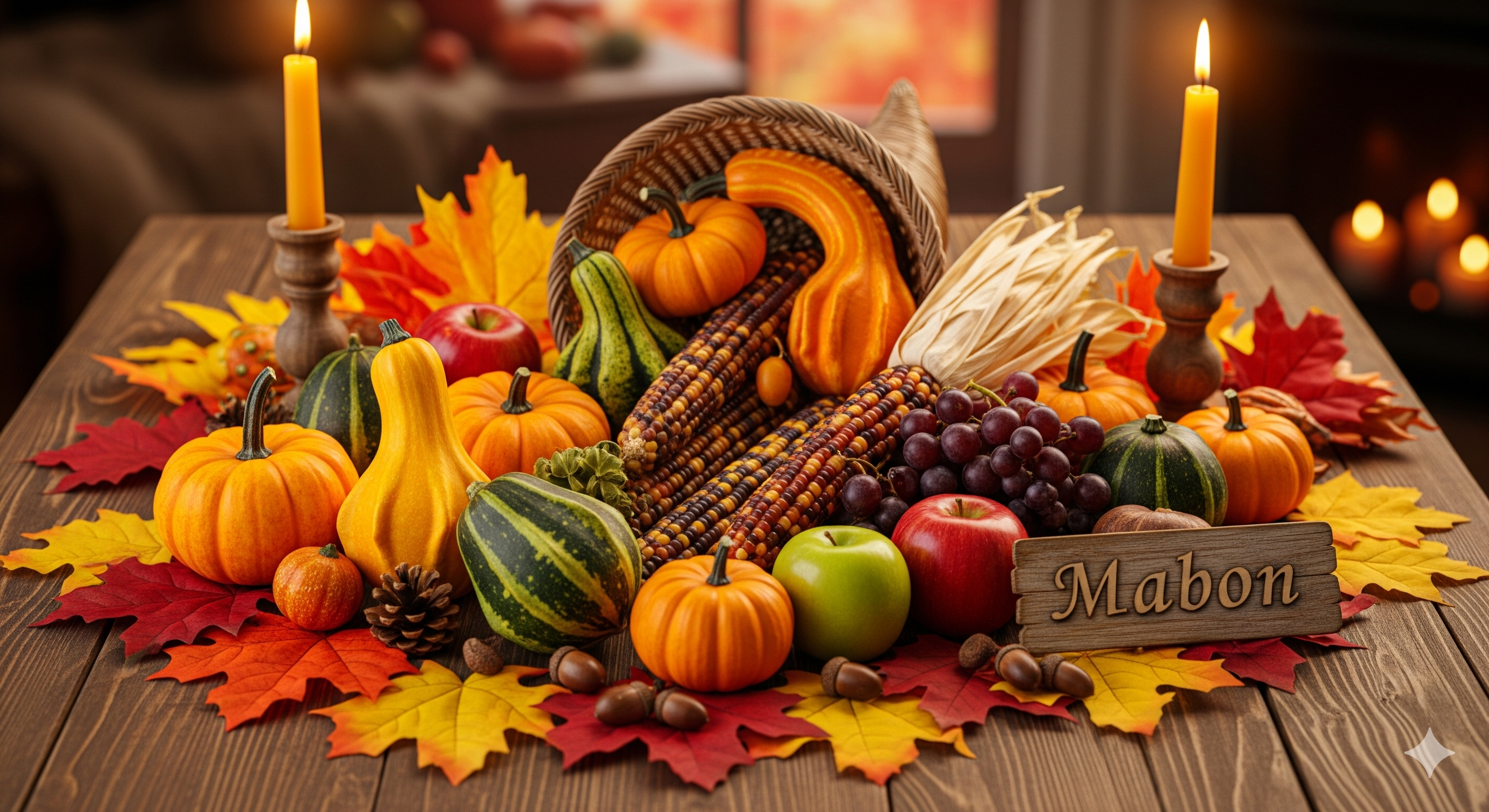
By Ivyjaded Wyldfyre at Pagan Essentials
As the Wheel of the Year turns, we arrive at Mabon, the Autumn Equinox, a time of balance, gratitude, and the second harvest. For those of us in the Northern Hemisphere, this Sabbat marks the official start of autumn, when day and night stand in perfect equilibrium before the nights begin to lengthen.
When is Mabon 2025?
In 2025, Mabon in the Northern Hemisphere will occur on Monday, September 22nd.
The History of Mabon
While the name “Mabon” itself is a modern invention coined by Aidan Kelly in the 1970s, the celebration of the Autumn Equinox is ancient and deeply rooted in agricultural societies. Across various cultures, this time of year has always been dedicated to giving thanks for the bounty of the harvest, preparing for the colder months ahead, and acknowledging the changing seasons. It was a time of feasting, community gathering, and honoring the generous Earth.
Correspondences of Mabon
Mabon is rich with symbolic correspondences that reflect its themes of harvest, balance, and gratitude.
- Colors: Red, orange, yellow, brown, gold, deep greens, maroon.
- Symbols: Cornucopia, baskets, sickles, acorns, pinecones, leaves, grapes, apples, pomegranates, squash, pumpkins, gourds, wine, bread.
- Deities: Mabon Ap Modron (Welsh God of Light), Persephone, Demeter, John Barleycorn, Dionysus, Ceres, Inanna, Modron.
- Herbs & Plants: Mugwort, rue, sage, yarrow, rosemary, frankincense, myrrh, oak, hazel, pine, cypress, cedar.
- Crystals: Sapphire, amber, citrine, aventurine, carnelian, jasper, topaz, Lapis lazuli, agate, tiger’s eye
- Animals: Deer, owl, wolf, bear, salmon.
- Themes: Gratitude, balance, reflection, harvesting, abundance, protection, preparation, letting go, equality.
An Example Mabon Altar
Creating a Mabon altar is a wonderful way to honor the Sabbat and bring its energy into your home. Here’s an idea for inspiration:
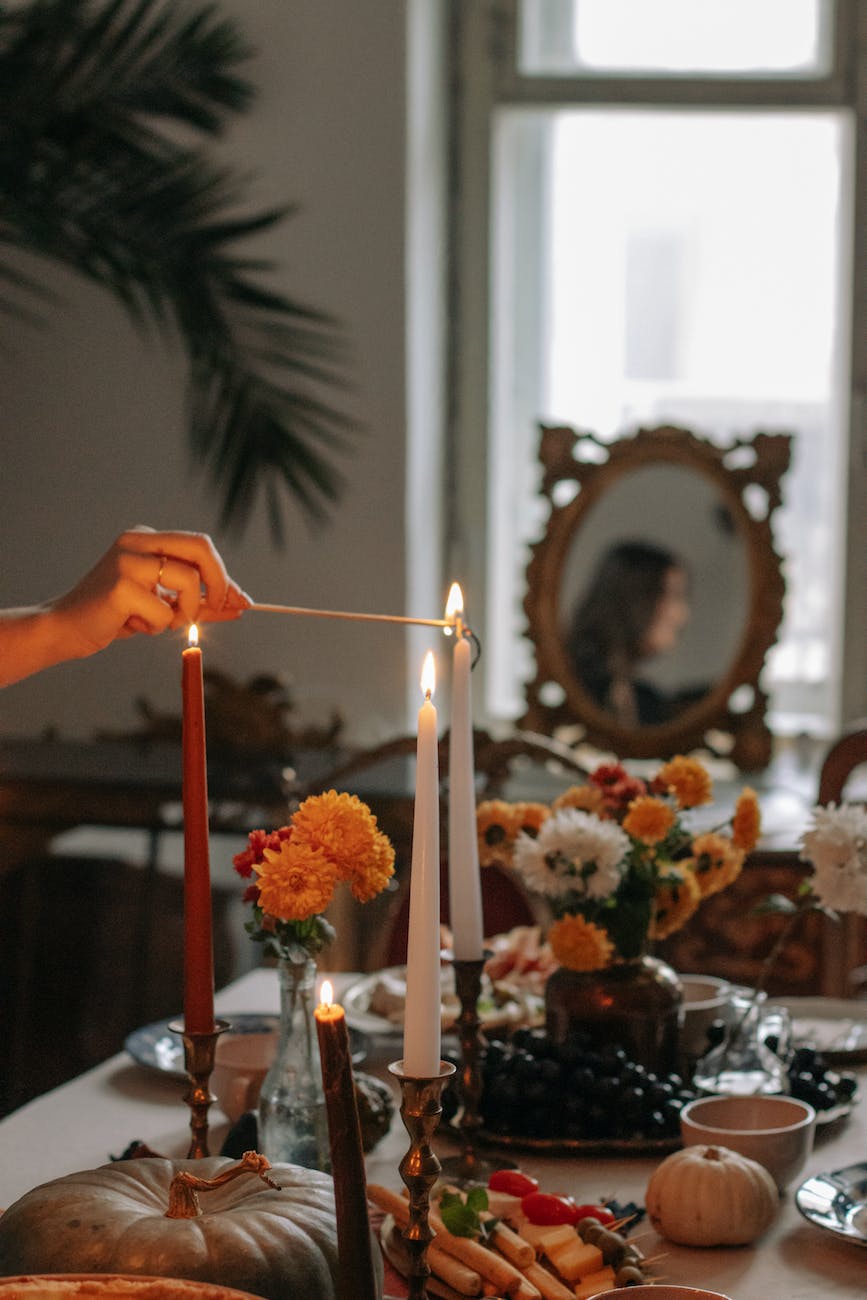
Set out a rich, autumnal-colored cloth, perhaps in deep red or orange. In the center, place a cornucopia overflowing with small gourds, miniature pumpkins, apples, and ears of corn. Add candles in colors like gold, brown, or deep green. You might include representations of deities associated with Mabon, such as a statue of Demeter or a symbol of the Horned God. Scatter fallen leaves, acorns, and pinecones around the base. Include any crystals that resonate with Mabon’s energy, and perhaps a small chalice for offerings of cider or wine.
Mabon Activities to Participate In
There are many ways to celebrate Mabon and connect with its energies:
- Harvesting & Foraging: If possible, gather late-season herbs, fruits, or nuts. Even a trip to a local apple orchard or pumpkin patch can be a wonderful way to connect with the harvest.
- Feasting: Prepare a special meal using seasonal ingredients like apples, squash, corn, and root vegetables. Share it with loved ones as an act of gratitude for abundance.
- Nature Walks: Spend time in nature, observing the changing leaves and feeling the shift in the air. Collect fallen leaves, acorns, and other natural treasures.
- Autumn Decorating: Adorn your home with natural elements like gourds, pumpkins, dried corn, and colorful leaves.
- Gratitude Practice: Take time to reflect on the blessings and harvests in your life, both tangible and intangible. Keep a gratitude journal.
- Canning & Preserving: Engage in the traditional act of preserving food for the winter months, symbolizing preparation and self-sufficiency.
- Sabbat Cleaning: Just as nature is letting go, consider decluttering and cleansing your home to make space for new energies.
- Baking: Bake apple pies, pumpkin bread, or corn muffins as offerings or to share.
An Example Mabon Ritual: A Simple Gratitude Offering
This simple ritual can be performed alone or with others.
Supplies Needed:
- A small piece of bread (homemade if possible)
- A cup of cider, wine, or water
- A quiet space, preferably outdoors or near your altar
- A candle (optional)
The Ritual:
- Center Yourself: Find a comfortable position. Take a few deep breaths, grounding yourself to the Earth. If using a candle, light it now.
- Acknowledge the Season: Say aloud: “The wheel turns, and day and night stand in perfect balance. We welcome Mabon, the time of the second harvest, a moment of gratitude and reflection.”
- Offer the Bread: Hold the piece of bread in your hands. Reflect on the bounty it represents – the sun, rain, earth, and labor that brought it forth. Say: “For the gifts of the Earth, for the abundance in my life, for the nourishment of body and spirit, I am thankful.” Break off a piece and place it outside (if safe for wildlife) or on your altar as an offering.
- Offer the Drink: Hold the cup. Reflect on the sustenance and joy it brings. Say: “For the flowing waters, for the fruits of the vine, for health and vitality, I give thanks.” Pour a small amount outside or on your altar.
- Personal Gratitude: Take a moment to silently or audibly list specific things you are grateful for in your life right now.
- Release and Balance: Acknowledge the balance of Mabon. Say: “As light and dark find equilibrium, I seek balance within myself. I release what no longer serves me and embrace the wisdom of the changing seasons.”
- Closing: Thank the spirits of the season, your guides, or the divine as you understand them. Take a final deep breath. If you lit a candle, safely extinguish it.
May your Mabon be filled with abundance, gratitude, and perfect balance!
Do you have any specific Mabon traditions you’d like to share, or would you like to see an image of a Mabon altar?