Posted on

Litha


A picture of the Sun smiling.

Litha, also known as Midsummer or the Summer Solstice, is a Pagan holiday that marks the longest day of the year. Astronomically, the summer solstice (June 21, 2023) will happen when the sun reaches its highest point in the sky.ย It is celebrated on June 21st every year and is one of the eight Sabbats.

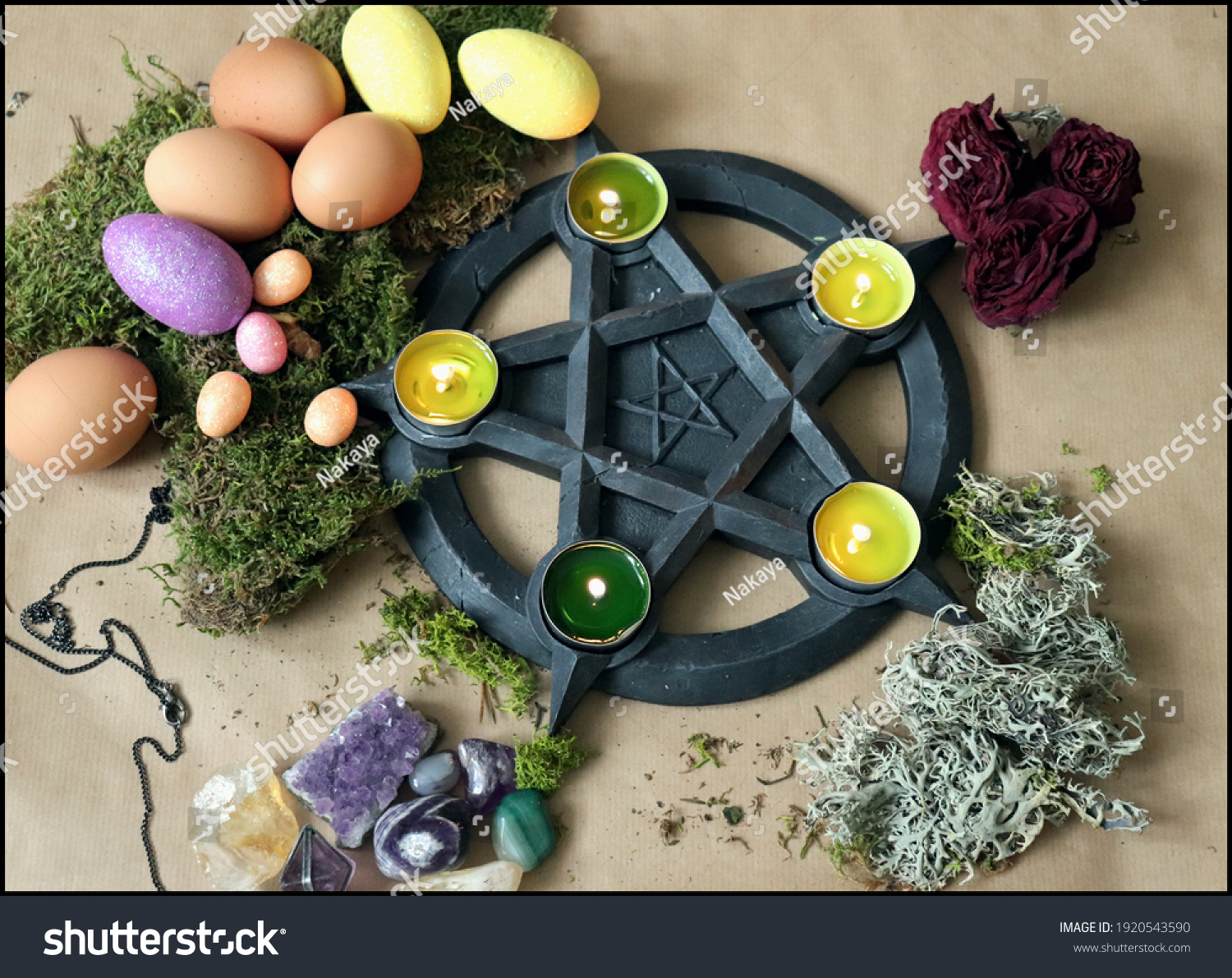
This holiday celebrates the light and dark within us as we strive to find our inner strength. Traditionally, bonfires are lit to honor this day and pay tribute to the Oak King and Holly King in a battle of light and dark. Fire rituals are also performed to bring good luck for the upcoming season. Early European traditions celebrated midsummer by setting large wheels on fire and then rolling them down a hill into a body of water. Celebrations can also include altar ideas such as flowers, incense, candles, fruits, herbs, stones, and crystals that correspond with specific spells and rituals. On this day we celebrate life itself with joyous festivities!

Litha is a time to celebrate the longest day of the year and the abundance of nature. It is one of the eight sabbats in the Wheel of the Year, and it marks the transition from the waxing to the waning phase of the Sun. Fire is a symbol of this sabbat, as it represents the power and warmth of the Sun-God, who is at his peak on this day. Many Wiccans light bonfires or candles to honor him and to ask for his blessings of protection, fertility, and prosperity. There are also other deities that are associated with Litha, such as goddesses of love, beauty, and fertility, or gods of agriculture, harvest, and growth. Some examples are Aphrodite, Freya, Lugh, and Cernunnos. Litha is a joyous occasion to celebrate life, light, and abundance with gratitude and generosity.

If you are interested in the origins of Pagan names and festivals, you might have wondered what “Litha” means. Litha is one of the names for the summer solstice, the longest day of the year and a time of celebration for many cultures. But where does this name come from and what does it signify?

According to a medieval scholar named Bede, who wrote a book called “The Reckoning of Time”, Litha is an Anglo-Saxon word that means “gentle” or “navigable”. He explained that this was because the winds were calm, and the seas were smooth during this season. Bede also recorded the names of other months based on the Pagan customs of his time, such as Eostre (April), Thrimilchi (May), and Halegmonath (September).

Litha is not the only name for the summer solstice, though. Other traditions call it Midsummer, Alban Hefin, St. John’s Day, or simply the First Day of Summer. Whatever you call it, it is a time to honor the sun, the fire, and the abundance of nature. It is also a time to celebrate life, joy, and creativity. You can celebrate Litha by lighting a bonfire, making flower crowns, dancing, singing, or doing any activity that makes you happy and grateful.


Litha Correspondence

Colors: White, Red, Yellow, Orange, Gold, Green.


Energies: Power, Creativity, Inspiration, Love, Divination, God energy, Healing, Fertilization.


Oils/Incenses: Cinnamon, Heliotrope, Lemon, Musk, Orange, Rose, Saffron, Sandalwood, Wisteria, Vervain.

Plants and Herbs: Lavender, Chamomile, Roses, Daisies, Lily, Elder, Fennel, Sunflower, St. Johnโ€™s Wort, Verbena.


Gemstones: Amber, Jade, Tigerโ€™s eye, Jasper, Peridot, Aventurine, Ruby, Emerald.


Symbols: Sun wheel, Sun, Fire, Bonfires, Roses, Daisies, All rayed flowers, Torches, Fairies.


Foods: Ale, Bread, Cheese, Edible Flowers, Fresh fruits and vegetables, Lemons, Mead & Wine, Milk, Oranges, Pumpernickel bread, Oatmeal cake.

Drinks: Sunflower Tea. Fresh Juice from Seasonal Fruits, Water, Beer, and White Wine.

Posted on

Beltane

May 1st, 2023

Beltane is a traditional Gaelic festival that celebrates the arrival of summer and the fertility of the land. It is one of the eight Sabbats in the Wheel of the Year, and falls on May 1st, halfway between the spring equinox and the summer solstice.

The origins of Beltane can be traced back to pagan times, when it was a fire festival that honored the sun god Belenos. The name Beltane comes from the Old Irish words bel (bright) and tene (fire), meaning “bright fire” or “Bel’s fire”. The fire symbolized purification, protection, and transformation. People would light bonfires and walk around or jump over them with their cattle to ward off evil spirits and diseases. They would also extinguish all other fires in their homes and relight them from the sacred Beltane fire.

Beltane was also a time of joy and celebration, as people welcomed the warmer weather and the abundance of nature. They would decorate their homes and fields with flowers, especially yellow ones that resembled the sun. They would also make May bushes or poles with colorful ribbons and bells, and dance around them to bring good luck and prosperity. Some people would visit holy wells and drink or wash with the water, believing it had healing powers. Others would collect the dew on Beltane morning, which was said to enhance beauty and youthfulness.

Beltane is also associated with romance and sexuality, as it marks the union of the god and goddess who create new life. Some couples would spend the night in the woods or fields, making love under the stars. This was seen as a way of participating in the fertility of nature and honoring the divine forces. Some traditions also held that children conceived on Beltane night were blessed by the gods.

Today, Beltane is still celebrated by some people who follow Celtic or pagan traditions, as well as by modern pagans and Wiccans. They may perform rituals, ceremonies, or dances to honor the elements, the deities, and the spirits of nature. They may also light bonfires, make offerings, or practice divination. Beltane is a time to celebrate life, love, and creativity, and to express gratitude for the gifts of nature.


How to Decorate a Beltane Altar

Beltane is a pagan holiday that celebrates the fertility of the earth and the union of the God and Goddess. It is also a time of fire, passion, and rebirth. If you want to decorate your altar for Beltane, here are some ideas:

Include flowers and faeries on your altar. Beltane is a time when the earth is blooming with life and beauty, and the faeries are said to be more active and visible. You can use fresh or dried flowers, such as daffodils, lilacs, tulips, or daisies. You can also make flower crowns or garlands to wear or hang on your altar. You can also leave offerings for the faeries, such as honey, milk, oats, or shiny objects.

Add symbols of fertility and sexuality, such as a phallus, a chalice, a wreath, or a maypole. These represent the masculine and feminine energies that come together at Beltane. You can also use antlers, acorns, seeds, or fruits as symbols of the God’s potency and the Goddess’s womb.

Use green, yellow, purple, and blue as your main colors. These represent the freshness of spring, the warmth of the sun, the magic of the flowers, and the sky above. You can use candles, ribbons, cloths, or flowers in these colors to adorn your altar.

Light a fire or a brazier on your altar. Beltane is one of the four fire festivals in pagan traditions, and fire symbolizes purification, transformation, and inspiration. You can use a small cauldron or a fireproof bowl to create a mini bonfire on your altar. You can also burn incense or herbs that are associated with Beltane, such as rosemary, lavender, sage, or thyme.

These are some suggestions for how to decorate your Beltane altar for paganism. You can also use your intuition and creativity to make your altar unique and personal to you. The most important thing is to honor the spirit of Beltane and celebrate the joy of life.

  • ๐Ÿ’ซSetting Up Your First Altar: A Guide to Sacred Space Creation

    ๐Ÿ’ซSetting Up Your First Altar: A Guide to Sacred Space Creation

    Congratulations, fledgling witch! Taking the step to create your first altar is a profound and exciting moment. An altar isn’t just a decoration; it’s the heart of your personal practiceโ€”a dedicated, sacred space where you connect with the divine, focus your energy, and work your magic. Read more

  • ๐Ÿงน Starting Your Journey: Essential Tools for the New Witch (and What You Really Need)

    ๐Ÿงน Starting Your Journey: Essential Tools for the New Witch (and What You Really Need)

    Welcome, fledgling witch! Taking your first steps on this path is an exciting and sometimes overwhelming experience. You might be scrolling through beautiful photos of elaborate altars and feeling like you need to spend a fortune on crystal balls and fancy athames just to get started. โ€‹Stop right there. โ€‹The most powerful tool in your… Read more

  • Protection Magick: Shielding Yourself and Your Space from Negative Energies

    Protection Magick: Shielding Yourself and Your Space from Negative Energies

    Welcome, dear readers, to Pagan Essentials! Today, we’re delving into a cornerstone of magickal practice: protection. In a world brimming with diverse energies, knowing how to shield yourself and your sacred space is not just beneficial, but essential. โ€‹Think of protection magick as creating an energetic boundary โ€“ a spiritual immune system that keeps out… Read more

  • โœจ Embracing the Void: An Introduction to Chaos Magick

    โœจ Embracing the Void: An Introduction to Chaos Magick

    Hello, seekers! Welcome back to Pagan Essentials. Today, we’re diving into one of the most dynamic, paradigm-bending, and controversial paths in modern occultism: Chaos Magick.If you.’re used to traditional paths with ancient pantheons, strict rituals, and establishe n,cosmologies, prepare to have your mind pleasantly scrambled. Chaos Ma. Ingick (often shortened to “Chaotes” or “CM”) is… Read more

  • Magical Grounding Techniques for Witches

    Magical Grounding Techniques for Witches

    Welcome, fellow travelers on the path! Today, we’re diving deep into a fundamental practice for every witch, old or new: Magical Grounding Techniques. Just as a tree needs strong roots to reach for the sky, we too need to be firmly rooted in the earth to effectively channel our energy and manifest our intentions. Read more

  • โ€‹โœจ Crystal Cleanse: Keep Your Tools Sparkling! โœจ

    โ€‹โœจ Crystal Cleanse: Keep Your Tools Sparkling! โœจ

    Ready to recharge your magic? Your crystals absorb energyโ€”both good and badโ€”so regular cleaning is essential to keep them vibrating at their highest potential! Here are a few popular and effective ways to cleanse your crystal collection: Read more

Posted on

Ostara or Spring Equinox

Ostara is a Pagan holiday that celebrates the Spring equinox and the fertility of nature. It officially marks the first day of Spring and is one of the 4 minor Sabbats which fall on the equinoxes or solstices. The word Ostara comes from the Anglo-Saxon goddess name, Eostre. Eostre represents spring and new beginnings. Ostara is a time of balance, when there are equal parts of day and night, with the light on the increase. It is also a time to celebrate the coming of Spring and fertility. Ostara is a time to give thanks for the abundance of life and to honor the Green Man, the god of vegetation, and the Goddess.

Ostara or Spring Equinox falls on March 19th thru the 21st for the Northern Hemisphere and around September 23rd for the Southern Hemisphere,  This happens at the same time our planet is tilted just right so both hemispheres receive equal amounts of heat from the sun. It is also the day when the Goddess and God (Mother Earth and the Green Man or the Young Maiden and Sun God) join in sacred marriage. The Goddess will conceive, and give birth in nine months. Then she will become the Great Mother once again.


SYMBOLS OF OSTARA

Colors: Green, Pink, Blue, Yellow

Flowers: Daffodil, Jonquils, Woodruff, Violet, Gorse, Peony, Iris, Narcissus, and all Spring flowers

Herbs: Thyme, Tarragon, Lemon Balm, Red Clover, Marjoram, Chamomile, Lavender, Copal

Gemstones: Rose Quartz, Aquamarine, Amethyst, Tiger’s Eye, Jasper, Lapis Lazuli, Moon Stone

Incense: Jasmine, Rose, Strawberry, Myrrh, Dragon’s Blood, and any type of Floral

Symbols:  Rabbits, eggs, spring flowers, lambs, clover, baskets

Animals and Mythical Creatures: Rabbits, Snakes, Merpeople, and the Pegasus

Foods:  Eggs, honey, sprouted greens, baked goods, asparagus   

Flowers & Plants: Clover, Daffodils, Crocus, Tulips  

Symbols:   the Hare, Butterflies, Seeds, Eggs, Butterflies, Flowers, Dragons, Trees


CELEBRATING OSTARA

There are many ways to celebrate Ostara. Scott Cunninham’s traditional Vernal Equinox pastime is to go to a field and randomly collect wildflowers, thanking the flowers for their sacrifice before picking them, and leaving an offering to the plant and/or the Earth for taking the flowers, such as some milk and honey, a small crystal, or even a coin.

You can also buy flowers from a florist, Take one or two of those that appeal to you. and bring them home and divine their magickal meanings by the use of books, your own intuition, a pendulum, or other means. The flowers you’ve chosen reveal your inner thoughts and emotions

Other ways to celebrate Ostara

Celebrating Ostara is a great way to connect with nature and your spiritual self. The properties of Ostara are associated with renewal, rebirth, fertility, growth, and new beginnings. Here are some ways to celebrate the Spring Equinox:

  • You can create an Ostara Altar by using pastel colors, flowers, and a sign of balance. Balancing can be symbolized by having representations of the God and Goddess, a white candle and a black candle, or anything else that represents the opposition. You can also use anything that symbolizes Ostara on your Altar
  • Create and/or Perform a Spell or Ritual for fertility, abundance, or positivity
  • Light a bonfire at dawn to celebrate the increasing light
  • Take a nature walk to celebrate nature
  • Plant a flower, herb, or vegetable garden
  • Color and decorate hard-boiled eggs with bright colors
  • Celebrate with a traditional Ostara meal, making egg-based dishes and desserts, chicken, duck, lamb, fish, \dairy foods, green vegetables, and edible Flowers
Posted on

YULE

The Yule season is the time of year when we celebrate the death and rebirth of our beloved god, Odin, the great god of wisdom, poetry, and the wild hunt. It is a time to celebrate his return from his yearly sojourn in the underworld. It represents the transition back into the light and the welcoming of the sun. It’s also the official first day of winter.

The widely revered Viking God Odin is associated with wisdom, healing, sorcery, death, and war. Odin was also the great magician among the gods and was correlated with the Runic alphabet, which was the result of Odin sacrificing himself by hanging himself on the Yggdrasil, the tree of life, for nine days and nine nights in order to gain knowledge of other worlds and be able to understand the runes.

The great magician God Odin
Great Magician God Odin

Triskelion

Yule/Odin Altar

In this section, we will explore how to decorate an altar for Yule and Odin. We will use the triskelion symbol of Odin’s 3 horns representing wisdom, poetry, and knowledge.

The 3 candles in the center represent Odin, his two ravens Hugin and Munin, and his “wild hunt” of warriors.

The 3 candles in the center represent Odin, his two ravens Hugin and Munin, and his “wild hunt” of warriors.

The three candles on the right represent Thor, Odin’s son by Rindr (a giantess), his second wife Sif (the goddess of corn), and Thor’s daughter Thrud.

Decorate the Altar with the holiday colors of Green and Red, and the cold colors of Blue and Silver

An example of a Yule Altar

Yule Celebrations

Perform a Yule Ritual or Meditation to welcome back the sun, show thanks, balance energies, and invoke deep spiritual reflection

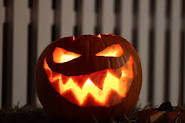
Have a Bonfire outside, burning huge logs, to entice the return of the sun

Decorate a Yule Tree with ornaments (hand-made or store-bought), Silver and Blue tinsel, and Red Holly berries

Burn a Yuletide Log (a massive log) in your fireplace

Countdown to the Solstice with an Advent calendar or wreath

Setup your own Yule Altar decorating it with the holiday colors of Green and Red, and the cold colors of Blue and Silver. Also, add pinecones, figs, mistletoe, holly berries, fresh fruit, snowflakes, a triskelion symbol, and/or a bell


ONLINE REFERENCE FOR BODY, MIND & SPIRIT

Triskelion

Yule Ritual

AUGUST 30, 2006 SANDRA KYNES READ TIME: 5 MINS

Setup

The items needed for this ritual:
4 sprigs of holly;
1 long strand of gold Christmas tree garland the longer the better;
tea light candles in holders that protect the flame. More specifically, these candles will be placed on the floor and you want to protect long clothing from catching fire. Ideally, you will need enough to place around the perimeter of the garland spiral.

Use the garland (or two strands if you would like to make it larger) to create a spiral in the center of the floor, making the space within wide enough to form a path on which to walk. Place tea lights around the perimeter of the spiral. Lay the holly at the entrance to the spiral. Light the candles around the spiral(s) just before beginning the ritual.

Background

Read the following just before beginning the ritual:

Putting bright lights on Christmas trees and around the house began with the tradition of lighting candles and fires to honor the return of the sun. The burning Yule log itself represents the new, shining sun. A piece of the Yule log, which is traditionally oak, is kept from one year to the next providing continuity as the old year finishes and the new one begins; death is followed by rebirth. A common component of the Yule ritual, when done outdoors, is to jump a bonfire and make a wish for the coming year. Tonight we combine this basic idea with the spiral, which is associated with the Goddess, winter, and the Winter Solstice.

The spiral is a fundamental form found in nature. To ancient people, the spiral was a sacred symbol of the Goddess and her transformative powers. Our ancestors knew about, and we are only rediscovering, the vortex of energy in a spiral that allows us to connect with our deepest selves, the web of life, and the Divine.

At the ancient site of Newgrange in Ireland there is a set of three spirals on the back wall of the inner chamber, 65 feet from the entrance. On the Winter Solstice, as well as the day before and the day after, the rising sun illuminates these spirals.

The spiral is also symbolic of winter hibernation. During the cold months we turn inward for a time of reflection. But the same spiral of energy that leads us downward, inside ourselves in winter eventually leads us up toward the light in spring.

The Ritual

Pick up the four sprigs of holly and walk around the perimeter of the spiral to define your circle as you say:

“Red and green, holly bright,
Help me cast my circle tonight.
The sun returns, glowing white,
With the child, Lord of Light.”

Place a sprig of holly at the edge of your circle in each direction after evoking it, saying:
“Come ye spirits of the North, powers of Earth, your bounty sustains me through the winter. Be with me as the silent cavern; place of renewal. Be with me this night.

Come ye spirits of the East, powers of Air, sail on crisp winter wings as you bring the golden dawn. Be with me as a clear night sky. Be with me this night.

Come ye spirits of the South, powers of Fire, bring the heat of a flame to warm my heart. Be with me as a welcoming hearth. Be with me this night.

Come ye spirits of the West, powers of Water, you nourish the earth and bathe me in sweet rains. Be with me as a quiet snowfall. Be with me this night.

Great Mother Goddess, provider of all life, Lady of Heaven and Earth, bring forth your son, transform the light. Be with me this night. Tonight I celebrate the return of the sun and the rebirth of light.”

Take time to think of what you want to bring into your life. When you are ready, follow the path into the spiral. When you get to the center, pause and then step over the inner-most coil. As you do this, say your wish aloud. You may want to pause again or sit in the center of the spiral to contemplate your wish as well as the coming year. When you are ready, follow the path back out of the spiral.

When you emerge from the spiral, begin chanting as you walk around your circle:

“With this wish I make,
And every step I take,
Bring me to center
Where my dreams awake.”

When it feels appropriate, slow and then end the chant, and then say:

“May my wishes and intentions voiced here this night manifest into the physical world. As above; so below. Blessed be.”

Use your usual centering to ground the energy or playback a recorded one.

Bring the ritual to a close, saying:

“Great Mother who gives birth to the light and gives our world form, thank you for your presence this night. I ask for your blessings as you depart. I bid thee farewell.”

As you dismiss each direction, pick up the holly you placed at the edge of your circle and return it to the entrance of the spiral, saying:

“Spirits of West, of Water that fills the rivers in spring, thank you for your presence this night. Stay if you will; go if you must. I bid thee farewell.

Spirits of South, of Fire that provides new beginnings, thank you for your presence this night. Stay if you will; go if you must. I bid thee farewell.

Spirits of East, of Air and the precious breath of life, thank you for your presence this night. Stay if you will; go if you must. I bid thee farewell.

Spirits of North, of Earth that sustains me, thank you for your presence this night. Stay if you will; go if you must. I bid thee farewell.

Just as darkness is followed by light, so winter is followed by spring. The Wheel of the Year and of my life continues to turn. My circle is open, but unbroken. May the peace of the Goddess remain in my heart. In faith and unity. Blessed be.”
Llewellyn.com/

Pagan Essentials Llc

The Witch's Online Resource

Posted on

SAMHAIN

Samhain is New Year’s Eve for Witches, the Day of the Dead, and the Pagans holiday that lands on Halloween. Celebrated on October 31st, it’s the time when the veil between this world and the supernatural world is at it”s thinnest. It is the most powerful night of the year for divination and the best time of the year for magick. Samhain is a sacred time for thousands of witches, druids, Wiccans, and other pagans as it is the festival of the Dead. Samhain, pronounced saah-win, means ‘summer’s end’ and it’s also a celebration of the end of the harvest and the beginning of the coldest part of the year. It is considered by many to be the beginning of the spiritual new year. Pagans see Samhain as a time to honor the dead, not as the dead, but as the living spirits of our ancestors. It is a celebration of the afterlife where we do not die but rest and continue to learn and prepare for our next incarnation.

Posted on

Beltane

Date: April 30th/May 1st

Beltane is one of the eight Pagan Sabbats and one of the four main fire festivals on the Wheel of the Year. During this time the veil is incredibly thin and our ability to interact with the Spirit Realm and/or the Gods is greatly enhanced. Beltane is about honoring the light half of the year and rejoicing in warmth, passion, vitality, and fertility. It incorporates traditions from the Germanic May Day Festival as well as the Gaelic Bealtaine.

Beltane is celebrated with feasts, rituals, and fires. In Celtic times, older married couples would remove their wedding rings and the constraints it came with for just this night. The Maypole is a focal point in Beltane’s celebration. The Maypole is a wooden structure erected that is decorated with greenery or flowers that the participants dance around with ribbons to weave into complex patterns. Also, on Beltane women would braid flowers in their hair, and men and women alike would decorate their bodies.

Beltane also has a deep association with the May Queen also known as the queen of the Fae. In modern-day traditions, a symbolic May Queen is crowned among the young women of the village and embellished with flowers and wreaths. In the story of the May Queen, she has an endless conflict with the Queen of Winter. The May Queen gets to rule in Spring ending at Samhain which is when the Queen of Winter takes over.

Beltane Correspondences

Symbols: Spring flowers, bonfires, cauldron

Colors: Green, Pink, Yellow, and other Pastels

Herbs: Almond, Ash, Mugwort, Foxglove, Honeysuckle, Ivy, Marigold, and Thyme

Crystals and Gemstones: Amber, Bloodstone, Carnelian, Emerald, Rose Quartz

Incense: Frankincense, Lilac, and Rose

Activities and Rituals: Bonfires, Planting Seeds, Nature Walks, Fertility Spells, Making garlands or Flower Crowns, and the Maypole Dance, Inviting Faeries to your Garden by making them small homes