Posted on

🍂 The Witch’s New Year: Celebrating Samhain 2025

Published: October 7, 2025

Samhain (pronounced Sow-in or Sah-win) is arguably the most sacred and magically potent of the eight Sabbats on the Wheel of the Year. It marks the final harvest, the death of the Summer God, and the transition into the dark half of the year. For many witches and pagans, it is considered the Witch’s New Year.​

This is a time for deep reflection, honoring our ancestors, and embracing the mysteries of the Veil.

Samhain is traditionally celebrated starting on the evening of October 31st and concluding on November 1st

​In the Northern Hemisphere, your celebration will officially begin on Friday evening, October 31, 2025.

Samhain is an ancient Celtic fire festival with roots in Ireland, Scotland, and the Isle of Man. Its name is believed to come from the Old Irish word for “summer’s end.”

The Thinning Veil

The central theme of Samhain is that the veil between the physical world and the spirit world (or Otherworld) is at its absolute thinnest. This makes it a powerful time for communication with the dead and for deep divination.

​A Festival of the Dead

​For the ancient Celts, Samhain was a time to revere the dead. They would light great bonfires, wear costumes to ward off or disguise themselves from harmful spirits, and leave food and drink offerings for both the benevolent spirits of their ancestors and other otherworldly beings. Many of the traditions we see in modern Halloween—like costumes, bonfires, and carved gourds—have direct roots in Samhain practices.

The Celtic New Year

As it marked the end of the harvest and the agricultural year, Samhain was also considered the Celtic New Year. This transition from the light half of the year to the dark half symbolizes a fresh start, a time to shed the old and prepare for a period of inward growth.

Working with the right magical correspondences can help you attune to the energy of the Sabbat.

Themes ~ death, rebirth, the ancestors, divination, reflection, releasing the old, the final harvest, the Shadow Self

Colors ~ black (absorption, protection), orange (harvest, fire), purple (psychic ability), red (life force)

Foods ~ apples, gourds (pumpkins, squash), root vegetables, dark breads, nuts, mulled cider, wine

Herbs and Scents ~ sage, mugwort, rosemary (for remembrane), cinnamon, nutmeg, patchoulii, pine

Symbols ~ skulls, bones, bats, spiders, cauldrons, carved pumpkins, turnips, candles, falling leaves,

Deities ~ Gsds and Goddesses of the Dead (Hecate, Hades, the Morrigan, Anubis), Crone aspects, Underworld deities

Gemstones ~ Obsidian, Black Tourmaline, Jet, Amethyst, Smokey Quartz

Embrace the energy of Samhain with these traditional and modern activities:

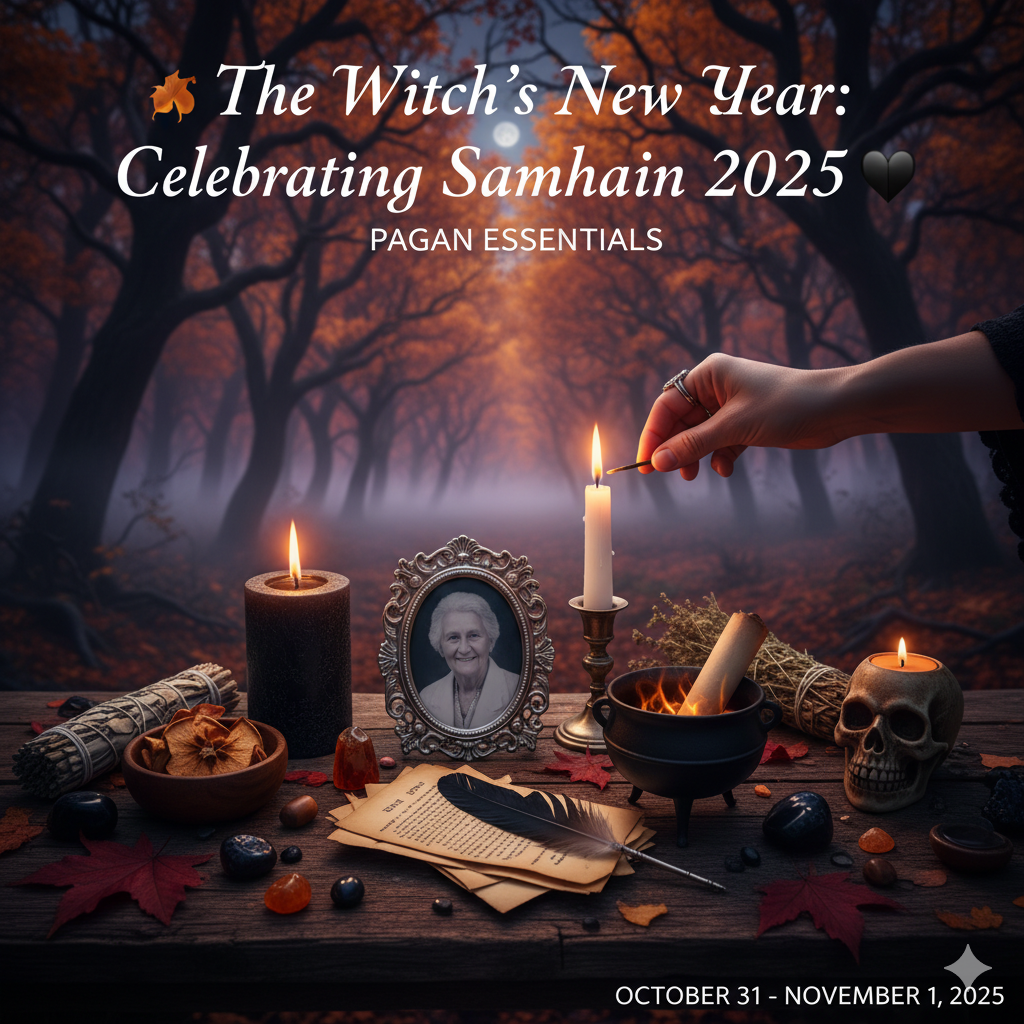
  • Create an Ancestor Altar: Dedicate a space to your beloved dead. Place photos, mementos, and offerings (like their favorite food or drink) on the altar. Light a candle to welcome their presence.
  • Host a Dumb Supper: A Dumb Supper is a meal eaten in complete silence, with an extra place set for the honored dead. The dead’s plate is offered first, allowing for quiet reflection and communion with your ancestors.
  • Practice Divination: With the veil thinned, your intuition is heightened. This is the perfect time for a deep Tarot or Rune reading, scrying, or attempting communication with the other side.
  • Perform a Release Ritual: Samhain is the New Year, so it’s time for a deep cleansing. Write down the negative habits, thoughts, emotions, or relationships you wish to release from your life. Safely burn the paper in a cauldron or fireproof bowl, visualizing the energy transforming into smoke and releasing into the universe.
  • Take a Nature Walk: Observe the natural death and decay of the season. Collect fallen leaves, acorns, and seed pods to decorate your home or altar, honoring the cycle of life, death, and rebirth.

This ritual is perfect for beginners and focuses on gratitude, remembrance, and release.

​You Will Need:

​ * A quiet, undisturbed space.​

  • A photo or memento of a loved one who has passed.​
  • A Black Candle (for release, protection, and the dark half of the year).​
  • A White Candle (for honoring ancestors and guiding spirits).​
  • A piece of paper and a pen.​
  • A fireproof bowl or cauldron.

The Ritual:

​1. Set the Space: Cleanse your space using smoke (like Sage or Mugwort) or sound (like a bell). Place your candles, memento, paper, and bowl on an altar or table. Take three deep, grounding breaths.​

2. Light the Black Candle (Release): Light the black candle. On the piece of paper, write down anything you wish to let go of from the past year—fear, regret, unhealthy habits, etc. Hold the paper and say:​

“As the Wheel of the Year turns, I release what no longer serves me. I let go of the old to welcome the new.”

Safely light the paper from the flame of the black candle and drop it into the fireproof bowl to burn completely. Observe the smoke carrying your burdens away.

​3. Light the White Candle (Welcome and Honor): Light the white candle. Pick up the memento of your loved one. Take a moment to remember them, speaking their name aloud and sharing a favorite memory or two. You may ask for their guidance in the coming year.​

“On this night when the veil is thin, I light this flame to honor you, my ancestors. May your wisdom guide my path and your memory be a blessing.”

Place the memento beside the white candle.​

4. Quiet Reflection: Sit in quiet meditation between the two candles. Reflect on the death of the old year and the birth of the new. Allow any thoughts or messages to come through without judgment.​

5. Closing: When you are ready, express gratitude to your ancestors and to the universe for the lessons of the past year.​

“The ritual is done. I am safe and blessed. The season of darkness has begun, and I welcome its wisdom.”

Allow the candles to burn down safely, or extinguish them with a snuffer. Leave the Ancestor Altar in place for at least a few days to honor the season.

💀Blessed Samhain, and Happy New Year! May your reflections be deep and your ancestors’ blessings be abundant.

Posted on

Dream Weaving: Unlocking the Oracle Within

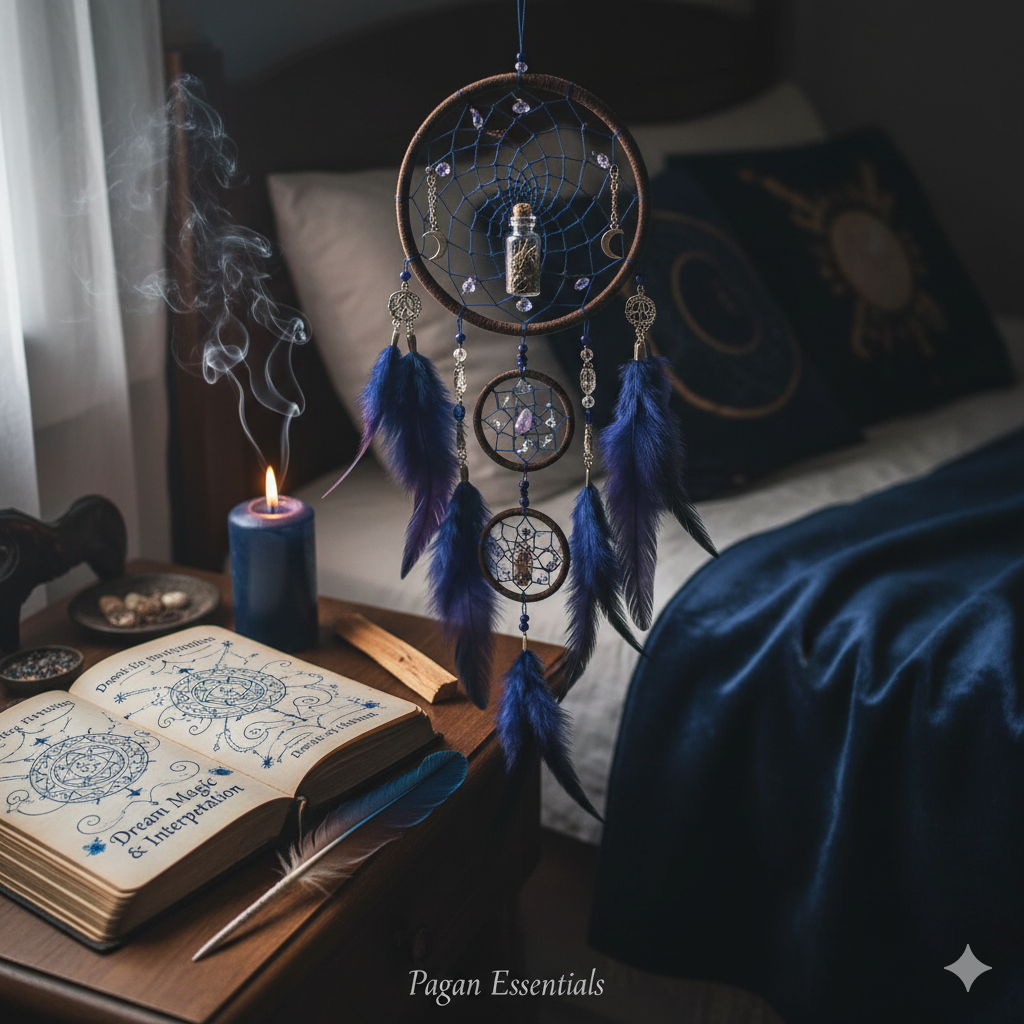
Dream Magic and Interpretation: Techniques for Using Your Dreams for Divination and Personal Insight

​Dreams are more than just the brain’s nightly clean-up; they are a direct line to your subconscious, a portal to the collective unconscious, and a powerful tool for divination. For centuries, practitioners have treated the dream state as a sacred space—a place where the veil is thinnest, and divine messages are easily received. Welcome to the art of Dream Weaving, where we transform fleeting images into actionable wisdom.

1. Preparing the Sacred Sleep Space

Successful Dream Magic begins before your head even hits the pillow. Creating a dedicated liminal space prepares your mind to be receptive.

  • The Dream Pouch: Create a small muslin or cotton bag filled with herbs known to enhance psychic dreams. Mugwort is the undisputed champion, but you can also include Lavender for peace, Bay Leaf for prophecy, or a piece of Amethyst for spiritual clarity. Place this under your pillow or on your nightstand.
  • A Cleansing Ritual: Before sleep, take a moment to clear your energy. Light a stick of Palo Santo or Sage and gently smudge your bedroom, focusing on clearing away the stress of the day. State an intention aloud: “I open my mind to the wisdom of the night.”
  • Dream Journal Prep: Keep a dedicated journal and pen right next to your bed. Do not use your phone; the blue light and distraction can sever the connection. Your first few waking moments are crucial for capturing the dream’s essence.

2. Setting an Intentional Dream Quest

Dream divination can be passive (interpreting what comes naturally) or active (asking a specific question). The latter is known as a Dream Quest.

  • Formulate Your Question: Be specific, yet open-ended. Instead of: “Will I get a new job?” try: “Show me the path I need to take to achieve professional fulfillment,” or “What is the core issue blocking my abundance?”
  • The Visualization Anchor: Spend 5-10 minutes visualizing a symbol that represents your question. If you are seeking advice on a relationship, visualize two interwoven cords. If it’s a decision, visualize a fork in the road. Repeat your question three times.
  • The Invocation: Before closing your eyes, recite a simple invocation, calling on the spirit of the dream space, your ancestors, or your patron deities. (Example: “Spirits of the deep night, guide my eyes to the truth I seek.”)

3. Techniques for Interpretation

Waking up is only the halfway point. Now comes the hard work of turning images into insight.

The ‘Feeling’ Filter

​The feeling of a dream is often more important than the literal imagery.

  • Tension/Relief: Did the dream leave you with a sense of dread, urgency, or profound peace? This emotional residue is your first key. If a dream of flying leaves you anxious, it may point to a fear of freedom, not literal elevation.
  • Color Symbolism: Pay attention to the dominant colors. Deep Red can signify passion or anger; Gold can represent success or a need for ego work; muted Greys can point to uncertainty.

The Triad of Interpretation

​Use these three lenses to analyze a key symbol or event from the dream:

  1. Personal Meaning (The Mirror): What does this symbol mean to you? If you dream of an owl, what is your immediate, unfiltered association? Wisdom? Fear? Your grandmother?
  2. Universal/Archetypal Meaning (The Library): What does this symbol mean in common lore or mythology? An owl is a classic symbol of Athena, wisdom, and shadow work.
  3. The Contextual Clue (The Scene): Where did the symbol appear? Was the owl in a beautiful forest or a dilapidated basement? The setting gives the symbol its current relevance to your life.

4. Integrating Dream Wisdom

​A dream is just a story until you apply its wisdom.

  • The Action Step: After interpreting a dream, commit to a small, tangible action. If your dream showed you a blocked doorway, the action might be to have a difficult conversation you’ve been avoiding.
  • The Ritual: If the dream was particularly potent or unpleasant (a nightmare that feels like a warning), perform a small ritual to acknowledge and neutralize or empower the message. Draw the key symbol on a piece of paper, work a simple knot spell, or light a candle dedicated to the dream’s guidance.

The night is a fertile ground for magic. By approaching your dream state with reverence and intention, you transform your sleep into a powerful divinatory practice.

Blessed Be, and Sweet Dreams,

The Pagan Essentials Coven

Posted on 1 Comment

How Do I Start? Resources for New Witches: A Step-by-Step Guide

Welcome, curious soul, to the path of witchcraft! If you’re feeling drawn to the ancient wisdom, the power of nature, and the magic within, you’ve come to the right place. The journey into witchcraft is deeply personal and incredibly rewarding. Here at Pagan Essentials, we’re thrilled to offer you a starting point. Let’s dive in!

The very first step on any magical path is to simply explore. There’s no single “right” way to be a witch, and the vastness of traditions and practices can be exciting!

  • Read, Read, Read: Immerse yourself in different perspectives. Start with general introductions to witchcraft, then delve into specific traditions that pique your interest, such as Wicca, Traditional Witchcraft, Green Witchcraft, or Chaos Magic.
  • Listen and Learn: Podcasts, documentaries, and reputable online articles can be excellent resources.
  • Keep a Journal: As you explore, jot down your thoughts, feelings, and any concepts that resonate with you. This will become an invaluable tool on your journey.
  • ​”Wicca: A Guide for the Solitary Practitioner” by Scott Cunningham (a classic, though focused on Wicca)
  • ​”Psychic Witch: A Metaphysical Guide to Meditation, Magick & Manifestation” by Mat Auryn
  • ​”Protection & Reversal Magick” by Jason Miller
  • ​”The Inner Temple of Witchcraft” by Christopher Penczak (comprehensive and great for structured learning)

Before you cast a single spell or invoke a deity, mastering grounding and meditation is crucial. These practices will help you center yourself, manage your energy, and connect with your inner wisdom.

  • Grounding: Think of grounding as rooting yourself to the Earth, like a tree. It helps dissipate excess energy, brings you into the present moment, and provides stability. There are many techniques, but a simple one is to visualize roots extending from the soles of your feet deep into the Earth, drawing up its calm, stable energy.
  • Meditation: This isn’t about emptying your mind, but rather observing your thoughts without judgment and focusing your awareness. Start with just 5-10 minutes a day, focusing on your breath. Meditation enhances intuition, concentration, and psychic abilities – all vital for magical work.

Magic is powerful, and with great power comes great responsibility. Before engaging in any spell work, it’s essential to consider the ethical implications.

  • The Threefold Law/Rule of Return: Many traditions adhere to the idea that whatever energy you send out (positive or negative) will return to you threefold. While not universally adopted, it’s a valuable reminder to act with intention and integrity.
  • Do No Harm: This is a fundamental principle for many witches. Consider the potential impact of your actions on yourself, others, and the environment.
  • Consent: Never attempt to influence someone’s free will without their explicit consent. This includes love spells, mind manipulation, or any form of coercive magic.
  • Personal Responsibility: You are accountable for your magic. Take time to reflect on your intentions and the potential consequences of your workings.

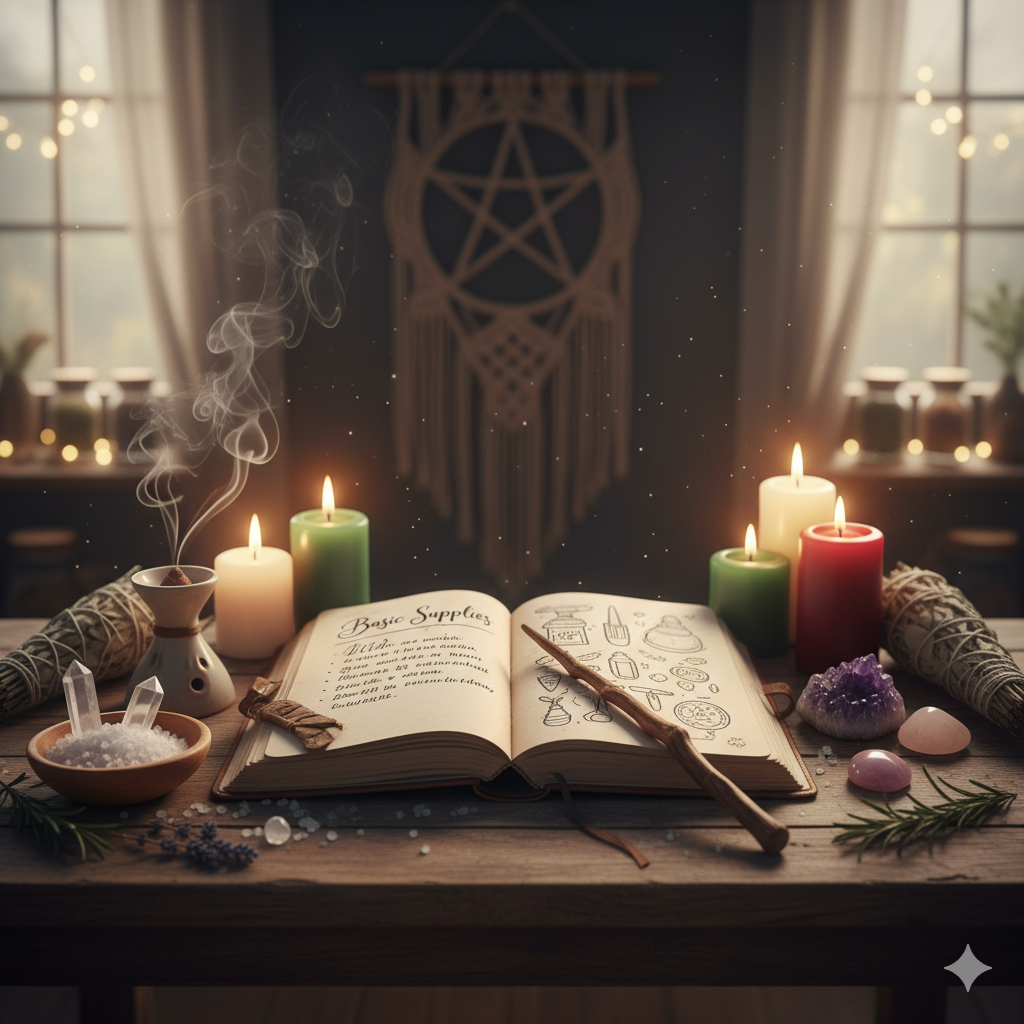
​You don’t need anything to be a witch – your most potent tools are your mind and spirit. However, certain items can enhance your practice and create a sacred atmosphere.

  • Journal/Book of Shadows: A place to record your spells, rituals, dreams, and magical insights.
  • Candles: Different colors correspond to different intentions (e.g., white for purity, green for prosperity, red for passion).
  • Incense/Herbs: For cleansing, offering, or setting the mood. Sage, palo santo, and frankincense are popular choices.
  • Salt: A powerful purifier and protector.
  • Wand or Athame: (Optional) These are tools to direct energy, not for cutting. A simple stick found in nature can serve as a powerful wand!
  • Altar Space: A dedicated area, no matter how small, to honor your practice. It can hold your tools, natural items, and representations of what you hold sacred.
  • Crystals: Each crystal carries unique energetic properties. Start with clear quartz, amethyst, or rose quartz for general purposes.

Posted on 1 Comment

Imbolc 2025

Celebrating Imbolc 2025: A Festival of Light and Renewal

Imbolc is a cherished festival with deep roots in ancient traditions. It marks the halfway point between the winter solstice and the spring equinox. Celebrated on February 1st or 2nd, Imbolc heralds the arrival of spring and symbolizes the return of light after the long, dark winter months. In 2025, Imbolc will be celebrated on February 1st.

Historical Significance

Imbolc comes from the Old Irish word “imbolg,” meaning “in the belly.” This signifies when ewes start to lactate and heralds the start of the agricultural year. This festival is often linked to Brigid. She is the goddess of fertility, healing, and poetry. Brigid embodies the themes of fire and light. As the days grow longer, Imbolc reminds us of the impending renewal of life. It also signals the awakening of the earth.

Rituals and Traditions

Imbolc is rich with rituals and activities that honor the returning light and the goddess Brigid. Here are some common practices:

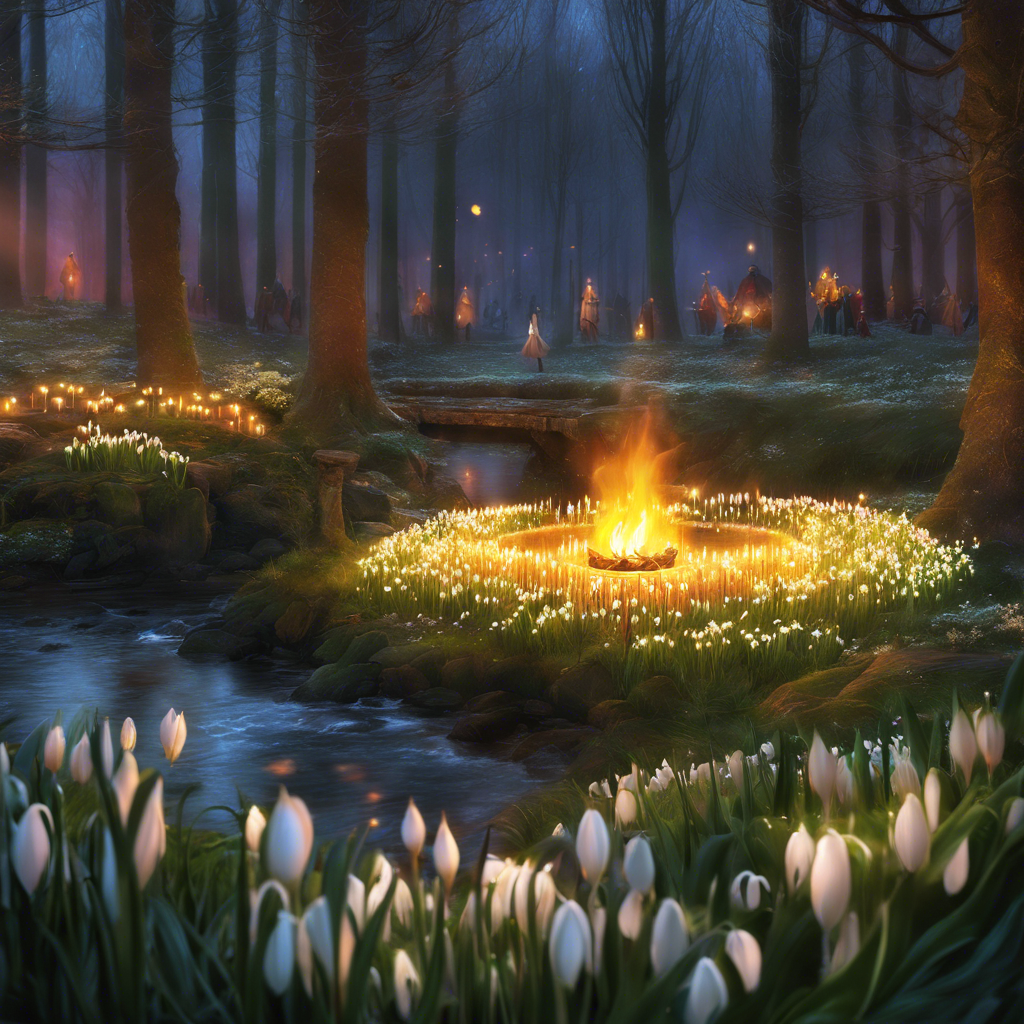
  • **Lighting Candles**: To symbolize the increasing light, it’s customary to light candles or a bonfire. This act serves as a way to invite warmth and illumination into your home.
  • **Brigid’s Cross**: Crafting a Brigid’s Cross from rushes or straw is a traditional practice. This cross is hung in the home for protection and blessings.
  • **Purification Rituals**: Many celebrate Imbolc by performing purification rituals, such as cleansing their homes with sage or water, symbolizing the removal of negativity and welcoming new energy.
  • **Feasting**: Preparing and sharing a special feast with seasonal foods, such as dairy products, grains, and root vegetables, is a way to honor the earth and its gifts.
  • **Brigid’s Bed**: Some create a special place for Brigid, often a bed adorned with white cloth and flowers, symbolizing her presence and blessings in the household.
  • **Nature Walks**: As the first signs of spring begin to appear, a nature walk can be a beautiful way to connect with the earth and observe the emerging life.

Correspondences

Understanding the correspondences associated with Imbolc can enhance your celebration. Here are some key elements to consider:

  • **Elements**: Fire and Water. Fire symbolizes inspiration and purification, while water represents the renewal of life.
  • **Colors**: White, red, and green. These colors represent purity, fertility, and the budding earth.
  • **Herbs and Plants**: Snowdrops, crocuses, and other early-blooming flowers are associated with Imbolc. Herbs like rosemary, mint, and thyme can also be used in rituals.
  • **Stones**: Clear quartz, amethyst, and garnet are stones that resonate with the energy of Imbolc, promoting clarity and protection.

Conclusion

Imbolc is a beautiful celebration of light, renewal, and the promise of spring. As we gather to honor traditions, perform rituals, and connect with nature, we invite the warmth and growth of the coming season into our lives. Whether you choose to light candles, craft a Brigid’s Cross, or simply enjoy a feast with loved ones, Imbolc is a time to reflect on the light within and the potential that lies ahead in the year to come. Embrace this magical festival, and let the spirit of Imbolc inspire you!

🌛⭐️🌜

Imbolc Ritual for 2025

**Preparation:**

1. **Set the Space:** Choose a quiet space where you can perform the ritual. Cleanse the area by burning sage or sprinkling salt water.

2. **Gather Supplies:**

  • A candle (preferably white or yellow)
  • A small bowl of water
  • A representation of Brigid (such as a statue, picture, or a handmade Brigid’s cross)
  • Flowers or greenery (like snowdrops or willow branches)
  • Incense (optional)
  • A journal and pen

🌟

**Ritual Steps:**

1. **Create an Altar:**

  • Place the candle in the center of your altar.
  • Surround it with the flowers or greenery.
  • Position the representation of Brigid and the bowl of water nearby.

2. **Light the Candle:**

  • As you light the candle, say a few words of intention, such as: 

     “As the light returns, so does hope and renewal. I honor Brigid and invite her blessings into my life.”

3. **Invoke Brigid:**

  • Take a moment to meditate on Brigid’s qualities: healing, poetry, and the forge. You may choose to recite a prayer or poem dedicated to her.

4. **Water Blessing:**

  • Dip your fingers into the bowl of water and sprinkle a few drops around your space, symbolizing purification and new beginnings. You can say:

     “With this water, I welcome renewal and clarity into my life.”

5. **Set Intentions:**

  • Write down your intentions or goals for the upcoming season in your journal. Focus on what you want to nurture and bring to fruition. 

   – Once you’ve written them down, hold the paper over the candle flame (safely) to symbolize releasing your intentions into the universe.

6. **Closing:**

  • Thank Brigid for her presence and guidance. Extinguish the candle, knowing that the light continues to grow as the days lengthen.
  • If you like, you can keep the candle as a focus for your intentions throughout the season.

7. **Feasting:**

  • Celebrate with a small meal or snack that includes dairy (symbolizing the lactating ewes), bread, and seasonal vegetables. 

This ritual can be adjusted to fit your personal beliefs and practices. Enjoy the warmth and renewal that Imbolc brings!

Posted on

Litha: The Midsummer Sabbat Soltice Celebration

Welcome to the radiant zenith of the Sun’s journey, as we embrace the longest day and the shortest night of the year. Litha, also known as Midsummer or the Summer Solstice, is a time of intense power, magic, and celebration. As witches, pagans, and followers of the old ways, we gather to honor the full strength of the Sun, revel in the abundance of the Earth, and acknowledge the fleeting nature of light and darkness.

In this sacred season, we stand at the threshold of two worlds, where the veil between the seen and unseen is as thin as the new moon’s crescent. The fires of Litha ignite our passions, fuel our dreams, and cleanse our spirits. Join us as we delve into the ancient traditions, modern practices, and the enchanting lore of this sabbat. Whether you’re dancing around the bonfire, crafting sun-infused charms, or simply soaking in the warmth of the season, Litha is a time to celebrate life’s bounty and the fire within us all.

Let’s explore the mysteries and the joy of Litha together, as we turn the Wheel of the Year and bask in the Sun’s glorious light. 🔮✨


Welcome to Pagan Essentials, where we explore and celebrate the rich traditions of modern witchcraft and Paganism. As the Wheel of the Year turns, we now find ourselves approaching Litha, also known as the Summer Solstice. This powerful Sabbat marks the longest day and the shortest night of the year, a time of abundant energy, growth, and celebration.


Litha, typically celebrated around June 20th to 23rd in the Northern Hemisphere, is a time to honor the sun at its peak. The word “Litha” is believed to derive from the Anglo-Saxon term for the months of June and July. This Sabbat is a celebration of light, warmth, and life. It’s a time to acknowledge the power of the sun and its role in nourishing the Earth.

In many traditions, Litha is seen as a time when the Oak King, who reigns from Yule to Litha, is overthrown by the Holly King, who will rule from Litha to Yule. This symbolic battle represents the shifting balance between light and dark as the days begin to shorten once more.


Litha is a vibrant and joyous Sabbat, and there are many ways to celebrate its energies. Here are some popular traditions and rituals:

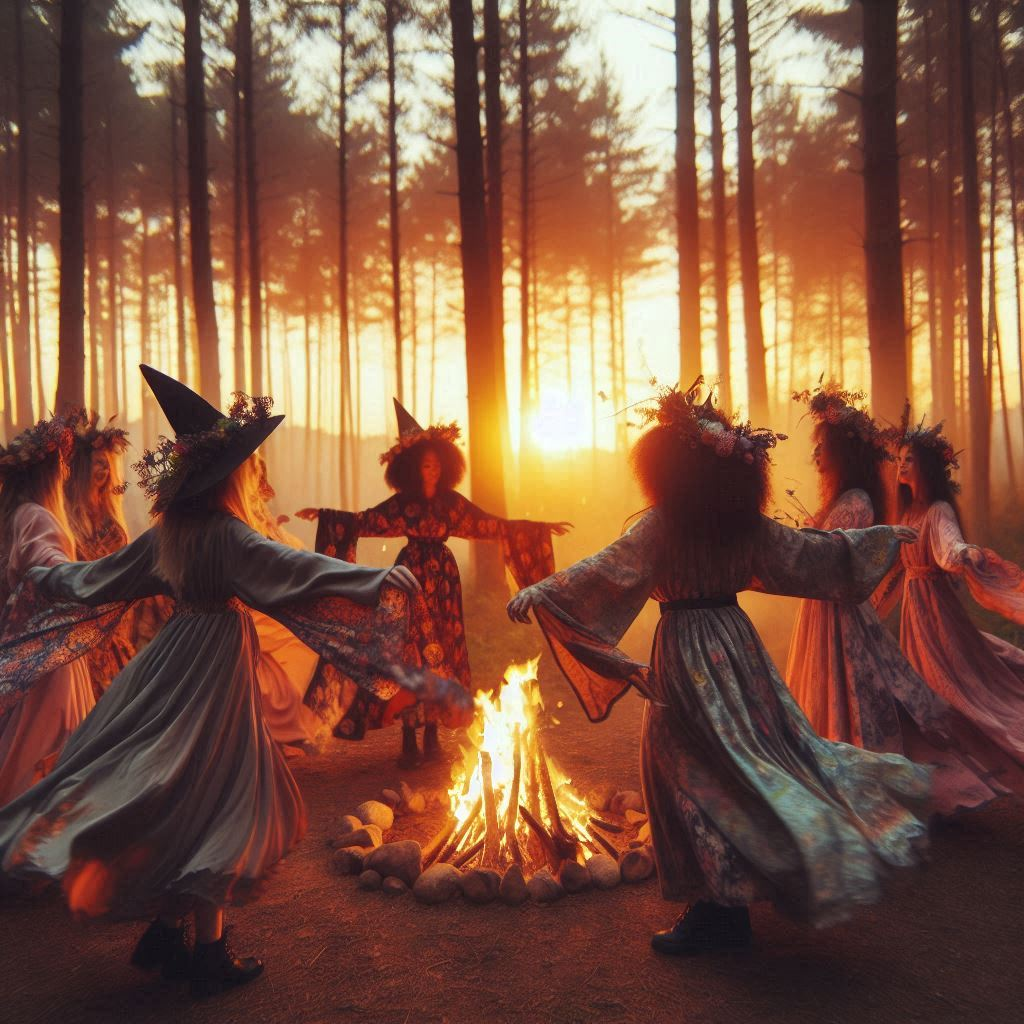
  1. Bonfires and Fire Magic: Lighting a bonfire is a traditional way to celebrate Litha. The fire symbolizes the sun at its zenith and is believed to ward off evil spirits. Jumping over the fire (safely, of course) is a custom thought to bring good fortune and protection.
  2. Sun Offerings: Create a solar altar with sun symbols, yellow and gold candles, and sunflowers. Offerings of fresh fruits, especially those that thrive in the summer like strawberries and peaches, can be made to honor the sun’s bounty.
  3. Nature Walks and Flower Gatherings: Spend time outdoors, reveling in the beauty of nature at its most lush. Gather herbs and flowers such as lavender, St. John’s Wort, and yarrow, which are believed to hold special power during this time.
  4. Midsummer Feasts: Celebrate with a feast that includes summer fruits, fresh vegetables, and honey-based treats. Sharing food with loved ones under the sun or moon strengthens communal bonds and honors the Earth’s gifts.
  5. Divination: The energy of Litha is potent for divination. Use tools like tarot cards, runes, or a pendulum to gain insight and guidance. The heightened energy can provide clearer visions and stronger intuitions.
  6. Meditation and Reflection: While Litha is a time of celebration, it’s also a moment to reflect on personal growth and the goals you set at the beginning of the year. Meditate on the progress you’ve made and set intentions for the remaining year.

  • Create a Litha Wreath: Make a wreath using flowers, herbs, and greenery that symbolize the sun and growth. Hang it on your door to welcome positive energy into your home.
  • Make Sun Water: Charge water under the midday sun and use it for rituals, spells, or as a refreshing drink infused with solar energy.
  • Decorate with Sun Symbols: Use images of the sun, sunflowers, and solar colors (yellow, gold, orange) in your home and sacred space.

Litha is an excellent time to honor deities associated with the sun, such as:

  • Apollo: The Greek god of the sun, music, and prophecy.
  • Ra: The Egyptian sun god.
  • Helios: The Greek personification of the sun.
  • Amaterasu: The Japanese sun goddess.

Set up an altar with symbols and offerings that resonate with your chosen deity to strengthen your connection and invite their blessings.


Ultimately, Litha is about embracing the peak of life and the height of light. It’s a time to celebrate abundance, personal power, and the beauty of nature. Whether you gather with a coven, family, friends, or spend the day in solitary reflection, let the energy of the sun fill you with warmth, inspiration, and joy.

May your Litha be filled with light, love, and lasting memories. Blessed be!