Pagan Essentials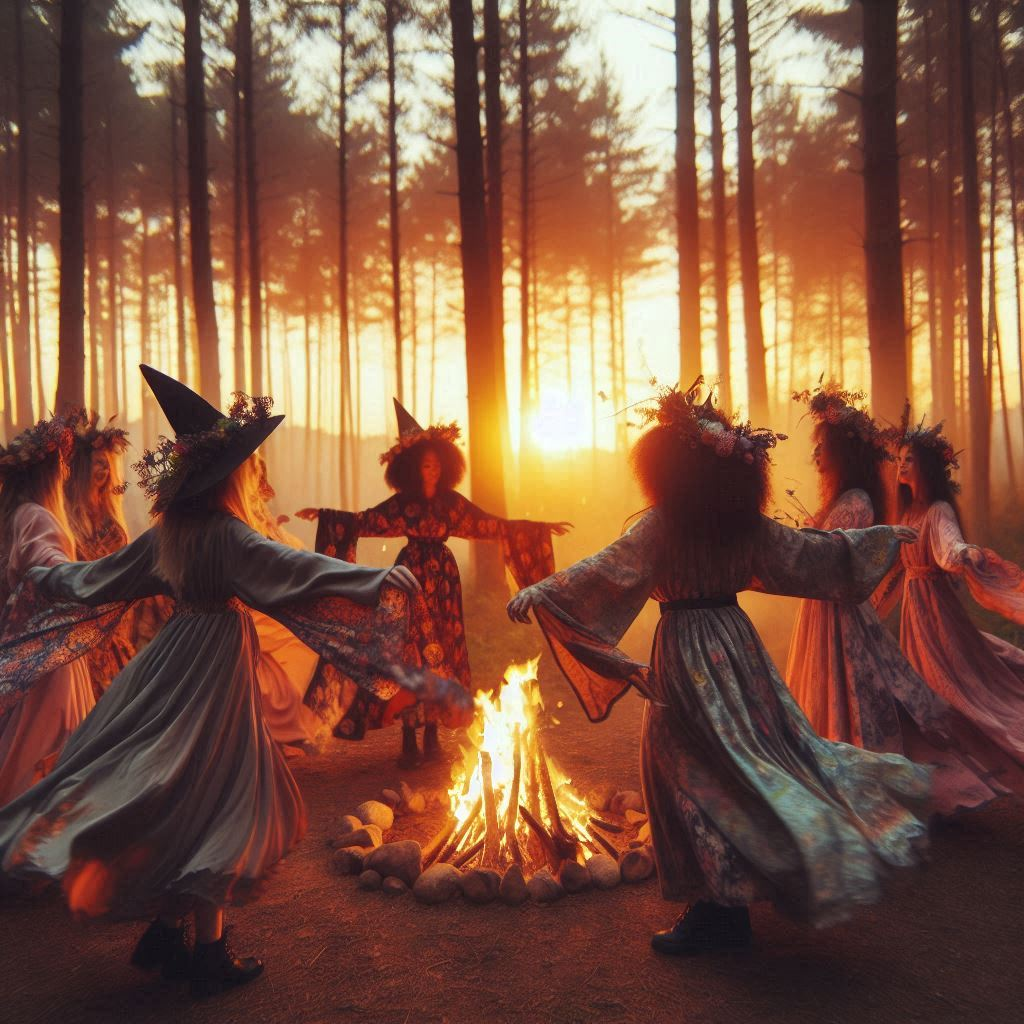
Welcome to the radiant zenith of the Sun’s journey, as we embrace the longest day and the shortest night of the year. Litha, also known as Midsummer or the Summer Solstice, is a time of intense power, magic, and celebration. As witches, pagans, and followers of the old ways, we gather to honor the full strength of the Sun, revel in the abundance of the Earth, and acknowledge the fleeting nature of light and darkness.
In this sacred season, we stand at the threshold of two worlds, where the veil between the seen and unseen is as thin as the new moon’s crescent. The fires of Litha ignite our passions, fuel our dreams, and cleanse our spirits. Join us as we delve into the ancient traditions, modern practices, and the enchanting lore of this sabbat. Whether you’re dancing around the bonfire, crafting sun-infused charms, or simply soaking in the warmth of the season, Litha is a time to celebrate life’s bounty and the fire within us all.
Let’s explore the mysteries and the joy of Litha together, as we turn the Wheel of the Year and bask in the Sun’s glorious light. 🔮✨

Celebrating Litha: The Summer Solstice Sabbat
Welcome to Pagan Essentials, where we explore and celebrate the rich traditions of modern witchcraft and Paganism. As the Wheel of the Year turns, we now find ourselves approaching Litha, also known as the Summer Solstice. This powerful Sabbat marks the longest day and the shortest night of the year, a time of abundant energy, growth, and celebration.

The Significance of Litha
Litha, typically celebrated around June 20th to 23rd in the Northern Hemisphere, is a time to honor the sun at its peak. The word “Litha” is believed to derive from the Anglo-Saxon term for the months of June and July. This Sabbat is a celebration of light, warmth, and life. It’s a time to acknowledge the power of the sun and its role in nourishing the Earth.
In many traditions, Litha is seen as a time when the Oak King, who reigns from Yule to Litha, is overthrown by the Holly King, who will rule from Litha to Yule. This symbolic battle represents the shifting balance between light and dark as the days begin to shorten once more.

Rituals and Traditions
Litha is a vibrant and joyous Sabbat, and there are many ways to celebrate its energies. Here are some popular traditions and rituals:
- Bonfires and Fire Magic: Lighting a bonfire is a traditional way to celebrate Litha. The fire symbolizes the sun at its zenith and is believed to ward off evil spirits. Jumping over the fire (safely, of course) is a custom thought to bring good fortune and protection.
- Sun Offerings: Create a solar altar with sun symbols, yellow and gold candles, and sunflowers. Offerings of fresh fruits, especially those that thrive in the summer like strawberries and peaches, can be made to honor the sun’s bounty.
- Nature Walks and Flower Gatherings: Spend time outdoors, reveling in the beauty of nature at its most lush. Gather herbs and flowers such as lavender, St. John’s Wort, and yarrow, which are believed to hold special power during this time.
- Midsummer Feasts: Celebrate with a feast that includes summer fruits, fresh vegetables, and honey-based treats. Sharing food with loved ones under the sun or moon strengthens communal bonds and honors the Earth’s gifts.
- Divination: The energy of Litha is potent for divination. Use tools like tarot cards, runes, or a pendulum to gain insight and guidance. The heightened energy can provide clearer visions and stronger intuitions.
- Meditation and Reflection: While Litha is a time of celebration, it’s also a moment to reflect on personal growth and the goals you set at the beginning of the year. Meditate on the progress you’ve made and set intentions for the remaining year.

Crafting and Activities
- Create a Litha Wreath: Make a wreath using flowers, herbs, and greenery that symbolize the sun and growth. Hang it on your door to welcome positive energy into your home.
- Make Sun Water: Charge water under the midday sun and use it for rituals, spells, or as a refreshing drink infused with solar energy.
- Decorate with Sun Symbols: Use images of the sun, sunflowers, and solar colors (yellow, gold, orange) in your home and sacred space.

Honoring the Deities
Litha is an excellent time to honor deities associated with the sun, such as:
- Apollo: The Greek god of the sun, music, and prophecy.
- Ra: The Egyptian sun god.
- Helios: The Greek personification of the sun.
- Amaterasu: The Japanese sun goddess.
Set up an altar with symbols and offerings that resonate with your chosen deity to strengthen your connection and invite their blessings.

Embracing the Spirit of Litha
Ultimately, Litha is about embracing the peak of life and the height of light. It’s a time to celebrate abundance, personal power, and the beauty of nature. Whether you gather with a coven, family, friends, or spend the day in solitary reflection, let the energy of the sun fill you with warmth, inspiration, and joy.
May your Litha be filled with light, love, and lasting memories. Blessed be!