Pagan Essentials

Litha, also known as Midsummer or the Summer Solstice, is a Pagan holiday that marks the longest day of the year. Astronomically, the summer solstice (June 21, 2023) will happen when the sun reaches its highest point in the sky. It is celebrated on June 21st every year and is one of the eight Sabbats.
This holiday celebrates the light and dark within us as we strive to find our inner strength. Traditionally, bonfires are lit to honor this day and pay tribute to the Oak King and Holly King in a battle of light and dark. Fire rituals are also performed to bring good luck for the upcoming season. Early European traditions celebrated midsummer by setting large wheels on fire and then rolling them down a hill into a body of water. Celebrations can also include altar ideas such as flowers, incense, candles, fruits, herbs, stones, and crystals that correspond with specific spells and rituals. On this day we celebrate life itself with joyous festivities!
Litha is a time to celebrate the longest day of the year and the abundance of nature. It is one of the eight sabbats in the Wheel of the Year, and it marks the transition from the waxing to the waning phase of the Sun. Fire is a symbol of this sabbat, as it represents the power and warmth of the Sun-God, who is at his peak on this day. Many Wiccans light bonfires or candles to honor him and to ask for his blessings of protection, fertility, and prosperity. There are also other deities that are associated with Litha, such as goddesses of love, beauty, and fertility, or gods of agriculture, harvest, and growth. Some examples are Aphrodite, Freya, Lugh, and Cernunnos. Litha is a joyous occasion to celebrate life, light, and abundance with gratitude and generosity.
If you are interested in the origins of Pagan names and festivals, you might have wondered what “Litha” means. Litha is one of the names for the summer solstice, the longest day of the year and a time of celebration for many cultures. But where does this name come from and what does it signify?
According to a medieval scholar named Bede, who wrote a book called “The Reckoning of Time”, Litha is an Anglo-Saxon word that means “gentle” or “navigable”. He explained that this was because the winds were calm, and the seas were smooth during this season. Bede also recorded the names of other months based on the Pagan customs of his time, such as Eostre (April), Thrimilchi (May), and Halegmonath (September).
Litha is not the only name for the summer solstice, though. Other traditions call it Midsummer, Alban Hefin, St. John’s Day, or simply the First Day of Summer. Whatever you call it, it is a time to honor the sun, the fire, and the abundance of nature. It is also a time to celebrate life, joy, and creativity. You can celebrate Litha by lighting a bonfire, making flower crowns, dancing, singing, or doing any activity that makes you happy and grateful.
Litha Correspondence
Colors: White, Red, Yellow, Orange, Gold, Green.
Energies: Power, Creativity, Inspiration, Love, Divination, God energy, Healing, Fertilization.
Oils/Incenses: Cinnamon, Heliotrope, Lemon, Musk, Orange, Rose, Saffron, Sandalwood, Wisteria, Vervain.
Plants and Herbs: Lavender, Chamomile, Roses, Daisies, Lily, Elder, Fennel, Sunflower, St. John’s Wort, Verbena.
Gemstones: Amber, Jade, Tiger’s eye, Jasper, Peridot, Aventurine, Ruby, Emerald.
Symbols: Sun wheel, Sun, Fire, Bonfires, Roses, Daisies, All rayed flowers, Torches, Fairies.
Foods: Ale, Bread, Cheese, Edible Flowers, Fresh fruits and vegetables, Lemons, Mead & Wine, Milk, Oranges, Pumpernickel bread, Oatmeal cake.
Drinks: Sunflower Tea. Fresh Juice from Seasonal Fruits, Water, Beer, and White Wine.


 Include flowers and faeries on your altar. Beltane is a time when the earth is blooming with life and beauty, and the faeries are said to be more active and visible. You can use fresh or dried flowers, such as daffodils, lilacs, tulips, or daisies. You can also make flower crowns or garlands to wear or hang on your altar. You can also leave offerings for the faeries, such as honey, milk, oats, or shiny objects.


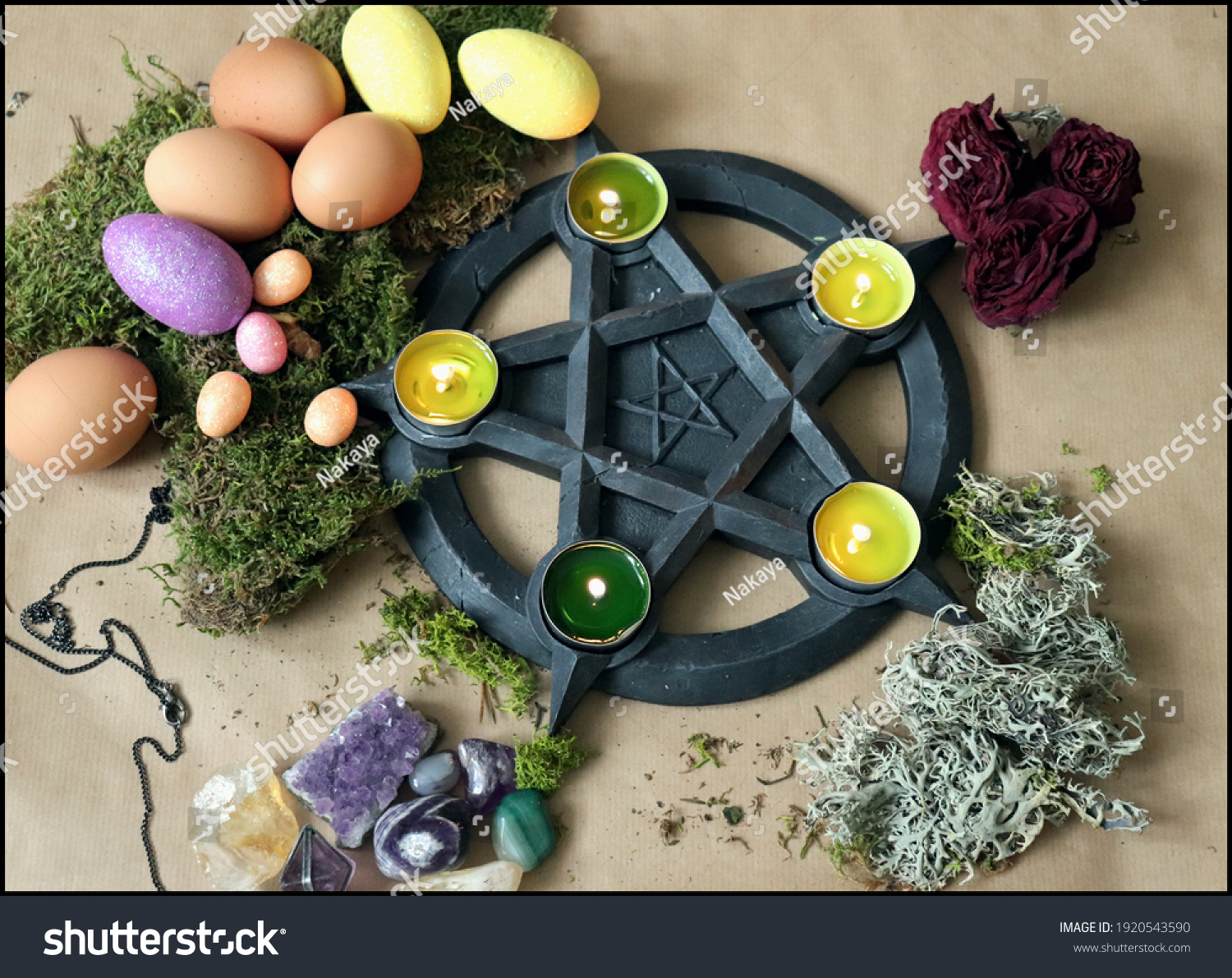




 Perform a Yule Ritual or Meditation to welcome back the sun, show thanks, balance energies, and invoke deep spiritual reflection