Pagan Essentials
May 1st, 2023

Beltane is a traditional Gaelic festival that celebrates the arrival of summer and the fertility of the land. It is one of the eight Sabbats in the Wheel of the Year, and falls on May 1st, halfway between the spring equinox and the summer solstice.
The origins of Beltane can be traced back to pagan times, when it was a fire festival that honored the sun god Belenos. The name Beltane comes from the Old Irish words bel (bright) and tene (fire), meaning “bright fire” or “Bel’s fire”. The fire symbolized purification, protection, and transformation. People would light bonfires and walk around or jump over them with their cattle to ward off evil spirits and diseases. They would also extinguish all other fires in their homes and relight them from the sacred Beltane fire.
Beltane was also a time of joy and celebration, as people welcomed the warmer weather and the abundance of nature. They would decorate their homes and fields with flowers, especially yellow ones that resembled the sun. They would also make May bushes or poles with colorful ribbons and bells, and dance around them to bring good luck and prosperity. Some people would visit holy wells and drink or wash with the water, believing it had healing powers. Others would collect the dew on Beltane morning, which was said to enhance beauty and youthfulness.
Beltane is also associated with romance and sexuality, as it marks the union of the god and goddess who create new life. Some couples would spend the night in the woods or fields, making love under the stars. This was seen as a way of participating in the fertility of nature and honoring the divine forces. Some traditions also held that children conceived on Beltane night were blessed by the gods.
Today, Beltane is still celebrated by some people who follow Celtic or pagan traditions, as well as by modern pagans and Wiccans. They may perform rituals, ceremonies, or dances to honor the elements, the deities, and the spirits of nature. They may also light bonfires, make offerings, or practice divination. Beltane is a time to celebrate life, love, and creativity, and to express gratitude for the gifts of nature.
How to Decorate a Beltane Altar

Beltane is a pagan holiday that celebrates the fertility of the earth and the union of the God and Goddess. It is also a time of fire, passion, and rebirth. If you want to decorate your altar for Beltane, here are some ideas:
 Include flowers and faeries on your altar. Beltane is a time when the earth is blooming with life and beauty, and the faeries are said to be more active and visible. You can use fresh or dried flowers, such as daffodils, lilacs, tulips, or daisies. You can also make flower crowns or garlands to wear or hang on your altar. You can also leave offerings for the faeries, such as honey, milk, oats, or shiny objects.
Add symbols of fertility and sexuality, such as a phallus, a chalice, a wreath, or a maypole. These represent the masculine and feminine energies that come together at Beltane. You can also use antlers, acorns, seeds, or fruits as symbols of the God’s potency and the Goddess’s womb.
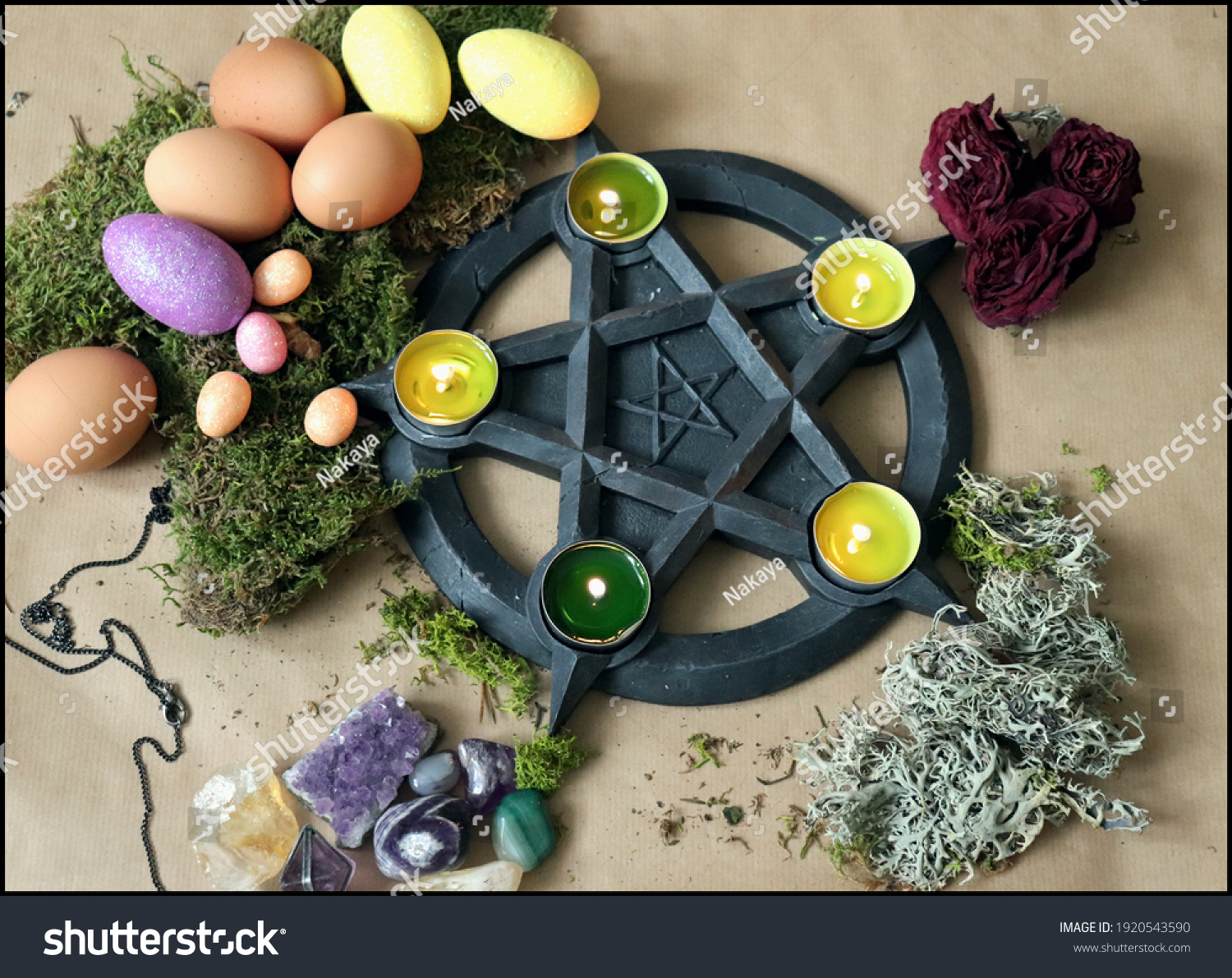
Use green, yellow, purple, and blue as your main colors. These represent the freshness of spring, the warmth of the sun, the magic of the flowers, and the sky above. You can use candles, ribbons, cloths, or flowers in these colors to adorn your altar.
Light a fire or a brazier on your altar. Beltane is one of the four fire festivals in pagan traditions, and fire symbolizes purification, transformation, and inspiration. You can use a small cauldron or a fireproof bowl to create a mini bonfire on your altar. You can also burn incense or herbs that are associated with Beltane, such as rosemary, lavender, sage, or thyme.
These are some suggestions for how to decorate your Beltane altar for paganism. You can also use your intuition and creativity to make your altar unique and personal to you. The most important thing is to honor the spirit of Beltane and celebrate the joy of life.

-

The Use of Herbs, Crystals, and Essential Oils in Witchcraft
Witchcraft is an art that relies on natural elements like herbs, crystals, and essential oils to empower the practice of spells and rituals. These elements are believed to hold energies and powers that can help to invoke certain moods or assist in manifesting certain desires. Here’s a guide on how the use of herbs, crystals,… Read more
-

The Different Types of Witchcraft
Witchcraft is a diverse practice, incorporating numerous traditions and practices. Some of the most common types include Wicca, which combines elements of witchcraft and nature worship; Pagan Witchcraft, focused on a deep connection with nature; Traditional Witchcraft, heavily rooted in folklore; and Eclectic Witchcraft, which draws from different traditions. Other popular types are Chaos Magick,… Read more
-

Intuitive Witchcraft
Intuitive witchcraft emphasizes personal intuition and individualized approaches to magical practice over strict rituals or traditions. Key aspects include personalized spell work crafted based on instinct and need, a deep connection with nature, and extensive use of meditation and visualization. It offers flexibility in blending different elements, focuses on inner work for self-growth, and encourages… Read more
-

Samhain 2023
Samhain is an ancient Celtic sabbat that marks the end of the harvest season and the beginning of winter. This mystical holiday, also known as Halloween, holds deep spiritual significance for many pagans and Wiccans around the world. Read more
-
The Significance of the Moon 🌙 to Witchcraft
The moon holds great significance in witchcraft and various magical traditions due to its profound influence on the natural world and its symbolism. Read more
-

Chakra Guide
This Chakra guide provides a comprehensive summary of the chakras, which are the energy centers in the body according to ancient Indian philosophy. Read more





 Perform a Yule Ritual or Meditation to welcome back the sun, show thanks, balance energies, and invoke deep spiritual reflection