Pagan Essentials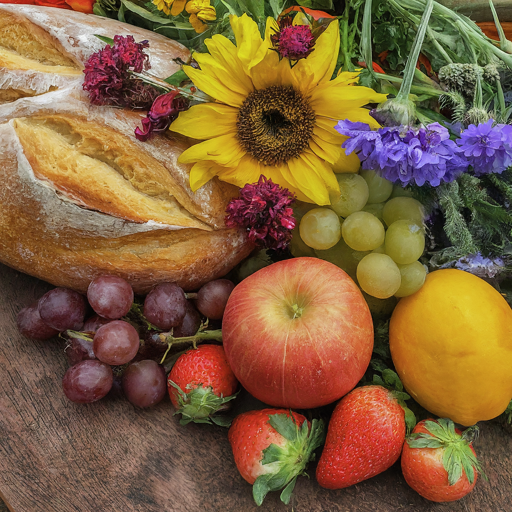
Lughnasadh, also known as Lammas, is a Pagan holiday celebrated on August 1st in the Northern Hemisphere. It marks the beginning of the harvest season and is a time to give thanks for the abundance of the Earth. The origins of Lughnasadh can be traced back to ancient Celtic traditions, particularly the festival dedicated to the Celtic god Lugh, who was associated with craftsmanship, skill, and the harvest.
Lughnasadh is a Celtic fire festival that celebrates the first fruits of the harvest and the blessings of the land. The name Lughnasadh comes from the Celtic god Lugh, who was honored at this time of year for his role in bringing about the successful harvest. The festival was traditionally celebrated with feasting, games, and contests, as well as rituals to ensure a bountiful harvest in the coming year.
One of the key elements of the Lughnasadh celebration is the making of corn dollies, which are braided figures made from the last sheaf of corn harvested from the fields. These corn dollies are often used as symbols of the harvest and are left in the fields as an offering to the land spirits. Another important aspect of the festival is the baking of bread from the newly harvested grains, which is then blessed and shared with the community as a symbol of the Earth’s abundance.
Lughnasadh also has strong associations with the cycle of life and death, as it falls halfway between the summer solstice and the autumn equinox. It is a time to reflect on the turning of the seasons and the impermanence of life, as the energy of the sun begins to wane and the days grow shorter. In many Pagan traditions, Lughnasadh is seen as a time of sacrifice and transformation, when we let go of the things that no longer serve us in order to make way for new growth and abundance.
Correspondences for Lughnasadh include the colors gold, green, and yellow, as well as symbols of the harvest such as cornucopias, wheat sheaves, and sunflowers. The element associated with Lughnasadh is earth, representing the fertile soil that nourishes the crops. Offerings for the festival may include grains, fruits, and bread, as well as herbs such as lavender, rosemary, and sage.
Overall, Lughnasadh is a time to celebrate the fruits of our labor, both literally in terms of the harvest, and metaphorically in terms of our personal growth and achievements. It is a time to give thanks for the abundance of the Earth and to honor the cycle of life and death that sustains us all. Whether you celebrate with a traditional ritual, a feast with loved ones, or a quiet moment of reflection in nature, Lughnasadh is a reminder to be grateful for the blessings that surround us and to sow the seeds of our future intentions with care and intention.
May the spirit of Lughnasadh bless you with abundance, growth, and transformation as you navigate the changing seasons of life.
Ivyjaded Wyldfyre