Pagan Essentials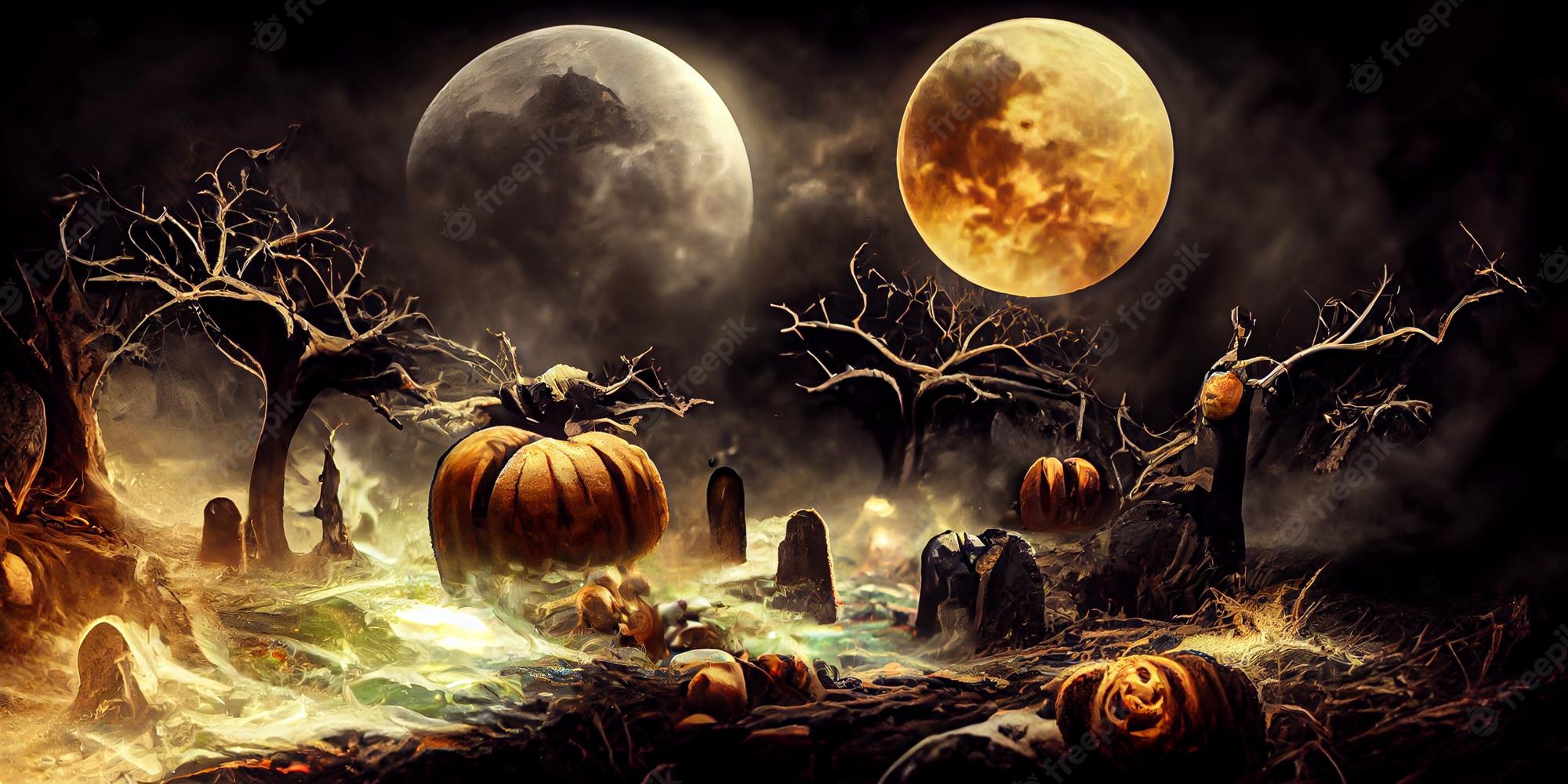
Get ready to celebrate Samhain 2023 on October 31st, the ancient Celtic sabbat that marks the end of the harvest season and the beginning of winter. This mystical holiday, also known as Halloween, holds deep spiritual significance for many pagans and Wiccans around the world. As the veil between the physical and spiritual realms thins, Samhain is a time for honoring ancestors, communing with spirits, and embracing the transformative power of the season. In this article, we will explore the traditions associated with Samhain, from divination rituals to bonfire ceremonies. We will also delve into the correspondence of this enchanting sabbat, providing insights into colors, herbs, and crystals that can enhance your Samhain altar. Get ready to embrace the magic of Samhain 2023!
Celtic sabbat that marks the end of the harvest season and the beginning of winter. This mystical holiday, also known as Halloween, holds deep spiritual significance for many pagans and Wiccans around the world. As the veil between the physical and spiritual realms thins, Samhain is a time for honoring ancestors, communing with spirits, and embracing the transformative power of the season.
In this article, we will explore the traditions associated with Samhain, from divination rituals to bonfire ceremonies. Divination rituals are a common practice during Samhain, as it is believed that the veil between worlds is at its thinnest, making it easier to connect with the spiritual realm. Many people use methods such as tarot cards, scrying, or pendulum divination to gain insight into the future or communicate with loved ones who have passed on.
Another popular tradition during Samhain is the bonfire ceremony. Lighting a bonfire not only provides warmth during the chilly autumn nights but also symbolizes the release of negative energy and the invitation of positive energy for the coming year. It is a time for reflection, letting go of what no longer serves us, and setting intentions for the future.
Furthermore, we will delve into the correspondence of this enchanting sabbat, providing insights into colors, herbs, and crystals that can enhance your Samhain altar. The colors associated with Samhain are deep and rich, such as black, orange, and deep purple, representing the mysteries of the season. Herbs like sage, rosemary, and lavender can be used for cleansing rituals and protection, while crystals like obsidian, smoky quartz, and amethyst can amplify our connection to the spiritual realm and provide grounding energy.
So, get ready to embrace the magic of Samhain 2023! Whether you’re a seasoned practitioner or new to the celebration, this ancient Celtic sabbat offers a unique opportunity to connect with nature, honor our ancestors, and embrace the transformative power of the season. Let us dive deep into the traditions, rituals, and correspondences of Samhain and create a memorable and meaningful celebration.
Welcome to Samhain, the Celtic festival that marks the end of the harvest season and the beginning of the dark half of the year. As the veil between the worlds grows thin, the ancient Celts believed that spirits could freely roam the earth. This sacred time is celebrated on the night of October 31st and is a time of reflection, remembrance, and renewal.
Join us as we explore the significance of Samhain in 2023. From its historical roots to modern-day celebrations, we’ll delve into how this ancient festival has evolved over time. Discover the rituals and traditions practiced during this mystical time, such as lighting bonfires, carving pumpkins, and wearing costumes to ward off evil spirits.
Whether you’re a seasoned witch, a history enthusiast, or simply curious about the rich traditions surrounding Samhain, this article will provide you with valuable insights. Gain a deeper understanding of this enchanting celebration and embrace the magic of Samhain like never before.
Prepare to embark on a journey into the mystical world of Samhain 2023. Let the spirits guide you as we uncover the mysteries and traditions of this revered Celtic festival.

What is Samhain?
Samhain, pronounced “sow-in,” is a Gaelic festival that has its roots in ancient Celtic traditions. It is believed to have originated in Ireland, Scotland, and the Isle of Man. Samhain marks the transition from the lighter half of the year to the darker half, signaling the end of the harvest season and the beginning of winter. The word “Samhain” itself means “summer’s end” in Gaelic.
During Samhain, the Celts believed that the boundaries between the mortal world and the spirit world were blurred. This allowed spirits, both benevolent and malevolent, to freely roam the earth. The ancient Celts would light bonfires to ward off evil spirits and offer food and drink to honor their ancestors.

Origins and History of Samhain
The origins of Samhain can be traced back thousands of years to the ancient Celts. They believed that on the night of October 31st, the veil between the worlds of the living and the dead was at its thinnest. This belief was deeply rooted in their agricultural practices and their connection to nature.
The Celts saw Samhain as a time of transition and reflection. It was a time to honor and remember their ancestors, seek guidance from the spiritual realm, and prepare for the challenges of the coming winter. The festival was also seen as a way to appease and protect against malevolent spirits.
Over time, Samhain became intertwined with other cultural traditions, such as the Roman festival of Feralia and the Christian observance of All Saints’ Day. These influences shaped the modern-day celebrations of Halloween and All Souls’ Day.

Samhain Traditions and Rituals
Samhain is rich in traditions and rituals that have been passed down through generations. These practices vary across different regions and cultures, but they all share a common thread of honoring the dead and embracing the energy of the season.
One of the most well-known Samhain traditions is the lighting of bonfires. These fires serve as a beacon for spirits and provide warmth and protection during the cold winter nights. People would gather around the fires, share stories, and offer prayers and offerings to their departed loved ones.
Another popular Samhain ritual is the carving of pumpkins. This tradition has its roots in the ancient practice of carving turnips or gourds to ward off evil spirits. Today, the pumpkin has become synonymous with Halloween, and people carve intricate designs, known as jack-o’-lanterns, to decorate their homes and create a spooky ambiance.
To ward off malevolent spirits, costumes and masks are worn during Samhain. This tradition originated from the belief that disguising oneself would confuse and deter wandering spirits. Today, dressing up in costumes has become a fun and creative way to celebrate Halloween.

Samhain Symbols and Their Meanings
Samhain is associated with a variety of symbols, each carrying its own significance and meaning. These symbols reflect the themes of death, rebirth, and the cyclical nature of life.
One of the most iconic symbols of Samhain is the jack-o’-lantern. This carved pumpkin with a candle or light inside represents the guiding light for lost souls and a ward against evil spirits. The face carved on the pumpkin is said to scare away malevolent beings.
Another important symbol is the cauldron, which represents the transformative and magical powers of the season. The cauldron is often associated with the goddess Cerridwen, who is linked to wisdom, inspiration, and rebirth.
The black cat is also a prevalent symbol during Samhain. While often associated with superstition and bad luck, the black cat is seen as a protective guardian during this time. It is believed to possess the ability to see and communicate with spirits.

Samhain Celebrations Around the World
Samhain is not only celebrated by the Celtic cultures that originated the festival but has also gained popularity worldwide. In many countries, people embrace the traditions and rituals associated with Samhain, albeit with their own unique twists.
In Ireland, where the festival has its roots, Samhain is still celebrated with great reverence. Bonfires are lit, and traditional Irish music and dance are performed. People also visit ancient burial sites and attend storytelling events to connect with their ancestors.
In the United States, Halloween has become the most widely recognized celebration associated with Samhain. Children dress up in costumes and go trick-or-treating, while adults attend costume parties and haunted attractions. Pumpkin patches and corn mazes are also popular attractions during this time.

How to Celebrate Samhain at Home
You don’t have to attend a large-scale event or travel to a specific location to celebrate Samhain. You can create a meaningful and personal celebration right in the comfort of your own home. Here are some ideas to help you embrace the energy of Samhain:
 Create an ancestor altar: Set up a dedicated space in your home where you can honor and connect with your ancestors. Place photographs, mementos, and candles on the altar, and spend time in quiet reflection and remembrance.
 Light a bonfire or candles: If you have a backyard or access to a safe outdoor space, consider lighting a bonfire to honor the ancient tradition. If a bonfire is not possible, light candles throughout your home to create a warm and inviting atmosphere.
Carve pumpkins: Get creative and carve your own jack-o’-lanterns. Choose designs that hold personal meaning to you or reflect the themes of Samhain. Display them outside your home or on your altar.
Practice divination: Samhain is a powerful time for divination and connecting with the spiritual realm. Use tarot cards, runes, or other divination tools to seek guidance and gain insight into the coming year.

Samhain Crafts and Decorations
 Getting crafty during Samhain can be a fun and engaging way to celebrate the season. Whether you’re looking to decorate your home or create meaningful gifts for loved ones, here are some Samhain-inspired craft ideas:
Wreaths: Make your own wreath using natural materials such as dried leaves, twigs, and herbs. Add symbols of Samhain, such as mini pumpkins or cauldrons, to personalize your creation.
Altar decorations: Enhance your ancestor altar or create a separate Samhain-themed altar using items like crystals, autumn leaves, dried flowers, and small figurines representing deities or spirits.
Candles and candle holders: Decorate plain candles with symbols of Samhain using paint or carving techniques. You can also create unique candle holders using clay or recycled materials.
Spirit lanterns: Transform glass jars into enchanting lanterns by painting or etching designs of spirits, ghosts, or other Samhain-related symbols. Place a tea light or LED candle inside for a magical glow.

Samhain Recipes and Food Traditions
Food plays a significant role in Samhain celebrations, with certain dishes and ingredients carrying special meaning. Here are some traditional and modern recipes to try during this mystical time:
 Soul cakes: These small, sweet cakes were traditionally made as an offering to spirits and ancestors. Bake your own soul cakes using a recipe that incorporates spices like cinnamon, nutmeg, and allspice.
Apple dishes: Apples are associated with Samhain and are often used in various recipes. Try making caramel apples, apple pies, or apple cider to enjoy the flavors of the season.
Harvest stews: Create hearty stews using seasonal vegetables and herbs. Add ingredients like potatoes, carrots, onions, and mushrooms for a warming and nourishing meal.
Mulled wine or cider: Infuse your home with the aromas of autumn by simmering wine or cider with spices like cinnamon, cloves, and star anise. Serve warm to cozy up during Samhain gatherings.

Samhain Divination and Spiritual Practices
Samhain is a time when the veil between the worlds is believed to be the thinnest, making it an ideal time for divination and spiritual practices. Here are some practices you can explore during this mystical season:
 Tarot readings: Use tarot cards to gain insight into your life and connect with the energies of the season. Focus on questions related to introspection, transformation, and guidance from the spiritual realm.
Scrying: Scrying is the practice of gazing into a reflective surface, such as a crystal ball or a bowl of water, to receive messages or visions. Engage in scrying to tap into your intuition and connect with the spirit realm.
Meditation and reflection: Set aside time for quiet meditation and reflection. Create a serene space where you can sit comfortably and focus on your breath. Use this time to connect with your inner self and gain clarity.
Ancestor communication: During Samhain, many people seek to connect with their ancestors. Light a candle, speak their names aloud, and invite their presence into your space. Listen for any messages or signs they may offer.

Conclusion: Embracing the Energy of Samhain
Samhain is a time of deep reflection, remembrance, and renewal. It offers an opportunity to honor our ancestors, connect with the spirit world, and embrace the cyclical nature of life. Whether you choose to participate in ancient rituals, create your own traditions, or simply appreciate the beauty of the season, Samhain invites us to embrace the magic and mystery of this sacred time.
As we approach Samhain 2023, let us open our hearts and minds to the energies that surround us. May we find solace in the presence of our ancestors, seek guidance from the spirit realm, and celebrate the beauty of this transitional season. Embrace the energy of Samhain and allow it to guide you on your journey of self-discovery and spiritual growth.
Prepare to immerse yourself in the enchanting world of Samhain 2023. Let the ancient traditions, rituals, and symbols ignite your curiosity and inspire your own unique celebration. Samhain is a time to honor the past, embrace the present, and welcome the mysteries of the future.