Posted on

Yule (Dec. 21st~31st 2023)

For those yearning to cement their ties to Yule and its relevance to witchcraft, understanding its rituals and correspondence is crucial. From adorning an altar with emblems such as evergreen branches and candles that symbolize the returning sun to enacting sanctified customs that laud nature’s cycles, a myriad of ways exist to exult this enchanted period.

Incorporating Yule correspondences, such as mistletoe for protection or holly for luck, can embellish your rituals or spell work during this season. Delving into conventional Yule ceremonies, such as kindling a Yule log or fashioning a wreath, can also impart a profound and meaningful significance to your celebrations.

Be it that you are a novice in witchcraft or an adept practitioner, embracing the energy of Yule confers an opportunity for soul-searching, acknowledgment of blessings, and renewal. By integrating these festive concepts into your practice, you can establish a poignant bond with this age-old Sabbat that honors both nature’s pattern and your own spiritual odyssey.


There is no definitive set of intentions for witches to set during Yule celebrations, as everyone’s path and goals may differ. However, Yule is generally considered a time for reflection and renewal, and witches may use this opportunity to set intentions that align with the energy and symbolism of the season. Some common intentions that witches might set during Yule include:

2. Honoring the cycles of nature: Yule is a time to reflect on the ebbs and flows of the natural world and set intentions that support and align with the changing seasons.

3. Setting intentions for prosperity and abundance: Yule is also associated with the return of the sun, so it can be a powerful time to focus on attracting abundance, success, and good fortune into one’s life.

4. Expressing gratitude and appreciation: Yule is a season of giving and generosity, so many witches use this time to reflect on all they have to be thankful for and set intentions around sharing their blessings with others.

Ultimately, the intentions that witches set during Yule will depend on their personal beliefs, values, and goals. However, by setting intentions that align with the energy and symbolism of the season, witches can tap into the power of Yule and manifest positive change in their lives.


One can deepen their connection with Yule in witchcraft by comprehending its rituals and correspondences. This includes decorating an altar with symbols like evergreen branches and candles representing the returning sun, using Yule correspondences for rituals and spells, and performing sacred rituals that honor nature’s cycles. Traditional Yule practices like lighting a Yule log or creating a wreath can also add depth and meaning to celebrations. By incorporating these celebration ideas and embracing the energy of Yule, one can create a meaningful connection with this ancient Sabbat and honor both nature’s cycles and their own spiritual journey.

Some Yule correspondences for rituals and spells include evergreen boughs or branches, cinnamon sticks, pinecones, cloves, oranges, and nutmeg. Mistletoe is also a popular Yule correspondence for its protective properties, as well as holly for its luck-bringing qualities. In addition, colors such as red, green, and gold are representative of Yule and can be used in rituals and spells. These correspondences can be incorporated into altar decorations, spells, and rituals to amplify the intention and energy behind them during the Yule season.

The colors that are representative of Yule and can be utilized in spells and rituals include red, green, and gold. Red reflects the energy of passion, love, and warmth, while green represents nature, renewal, and prosperity. Gold symbolizes the returning sun and the promise of abundance and success. These colors can be used in altar decorations, candle magic, and ritual dress during the Yule season to amplify the energy and intention behind spells and rituals.


1. Lighting a Yule log: This traditional ritual involves lighting a log and letting it burn throughout the night to symbolize the light and warmth returning to the world.

2. Creating a Yule wreath: Making a wreath from evergreen boughs, holly, and other Yule correspondences can be a lovely way to celebrate the season and bring the energy of nature and renewal into your home.

3. Holding a Yule feast: Gather with friends and family to share a meal, celebrate the season, and set intentions for the coming year.

4. Setting up a Yule altar: Decorate your altar with symbols of the season, such as candles, evergreen branches, and Yule correspondences, and spend time in meditation or prayer to connect with the spirit of the season.

5. Honoring the elements: Spend time in nature, make an offering to the earth, or simply reflect on the cycles of nature and the changing of the seasons.

These rituals and others can be a wonderful way to deepen your connection with the energy of Yule and celebrate the turning of the year.


1. Hosting a Yule gathering or potluck: Invite friends and family over for a festive meal, exchange gifts, and share stories or traditions related to Yule and the winter season.

2. Making crafts or decorations together: Creating Yule crafts or decorating the home with Yuletide symbols like wreaths, candles, or seasonal greenery can be a fun and creative way to spend time with loved ones.

3. Caroling or singing Yule songs: Singing or performing Yule carols or other seasonal songs can bring joy and uplift the mood of the gathering.

4. Performing group rituals or spells: Organizing a group ritual or spell for the winter solstice or during the Yule season can be a powerful way to connect with the energy of this sacred time and set intentions for the coming year.

5. Giving back to the community: Participating in volunteer work or donating to a charity can be a meaningful way to embody the spirit of giving and generosity that is often associated with Yule.

These are just some ideas to consider, but the most important thing is to spend time with loved ones, share meaningful experiences, and honor the energy of this special time of year.


In conclusion, the Witch’s Sabbat of Yule is an ancient celebration that has been observed by witches and pagans throughout history. At its core, Yule represents the turning of the year and the promise of light and warmth returning to the world. By incorporating Yule correspondences such as evergreen boughs, holly, and candles into rituals and spells, witches can deepen their connection with the energy of the season and honor nature’s cycles. Yule is also a time for gathering with friends and family, sharing joy and fellowship, and setting intentions for the year ahead. Whether celebrating through traditional Yule practices like lighting a Yule log or creating a wreath, or through modern rituals and traditions, the witch’s observance of Yule provides a profound opportunity to connect with the earth, the seasons, and one’s own spiritual journey.

Sending you a little Yuletide Cheer!
Posted on

Intuitive Witchcraft

Intuitive witchcraft is a practice within modern witchcraft that places a strong emphasis on intuition, personal connection, and individualized approaches to magic and spirituality. It often diverges from strict ritualistic or traditional practices and encourages practitioners to trust their instincts, emotions, and inner guidance when performing spells, rituals, or other magical work.

In this blog post, I will share with you some key aspects of intuitive witchcraft and how you can incorporate them into your own practice. Whether you are new to witchcraft or have been practicing for a while, I hope you will find something useful and inspiring in this post.

Key aspects of intuitive witchcraft may include:

Personalized Spell work:

Practitioners often create their own spells and rituals based on their intuition, needs, and the symbolism that resonates with them. This means that you don’t have to follow a specific recipe or formula for your spells, but rather use your creativity and imagination to craft your own magical workings. You can use whatever tools, ingredients, or methods that feel right to you, as long as they are aligned with your intention and ethics. You can also experiment with different types of magic, such as candle magic, sigil magic, knot magic, etc., and see what works the best for you.


Nature Connection:

Many intuitive witches have a deep connection to nature and draw inspiration and energy from the natural world. They may work with the elements, the seasons, the moon phases, the planets, the animals, the plants, or any other aspect of nature that they feel drawn to. They may also practice outdoors or in natural settings, such as forests, gardens, parks, beaches, etc., where they can feel closer to the earth and its energies. They may also honor and respect nature by living in harmony with it and taking care of the environment.


Meditation and Visualization:

Meditation and visualization exercises are commonly used to enhance intuition and psychic abilities. They can help practitioners to calm their mind, focus their attention, access their subconscious, raise their vibration, and connect with their inner wisdom. They can also help practitioners to visualize their desired outcome, create their own reality, and attract what they want into their lives. Meditation and visualization can be done in various ways, such as guided meditations, affirmations, mantras, breathing techniques, etc.


Flexibility:

There is a flexible and adaptable approach to tools, correspondences, and traditions, allowing practitioners to blend elements from various sources. This means that you don’t have to stick to one path or system of witchcraft, but rather explore different options and find what resonates with you. You can also mix and match different tools, correspondences (such as colors, herbs, crystals), or traditions (such as Wicca and Paganism) according to your preference and intuition. You can also change or modify your practice as you grow and evolve.


Inner Work:

Intuitive witchcraft often involves self-reflection, shadow work (the process of confronting and integrating one’s repressed aspects), and personal growth as integral parts of one’s magical practice. This means that you don’t just focus on external results or manifestations, but also on internal transformation and healing.

You may use your magic to:

  • support your emotional, mental, spiritual, and physical well-being, as well as your relationships, career, and life purpose
  • overcome your fears, challenges, or obstacles
  • to empower yourself
  • to express your authentic self
  • to align with your true values, passions, and goals

It is crucial to acknowledge that intuitive witchcraft can differ greatly among individuals, as it is highly personalized and centered on individual experiences and beliefs. It is not constrained by rigid regulations or customs, enabling practitioners to investigate and cultivate their distinct magical journey.

Intuitive witchcraft empowers individuals to tap into their own inner wisdom and intuition, allowing them to forge a deep connection with the natural world and the unseen forces that surround us. This personalized approach to magic embraces the notion that each practitioner possesses a unique set of abilities, perspectives, and spiritual beliefs.

Unlike traditional forms of witchcraft that may adhere to specific rituals or spellcasting methods, intuitive witchcraft encourages practitioners to explore and experiment with various techniques, tools, and practices that resonate with their individuality. This freedom to adapt and create their own magical path is what sets intuitive witchcraft apart.

For some, intuitive witchcraft may involve communing with nature, working with herbs and crystals, or harnessing the power of meditation and visualization. Others may find solace in divination tools such as tarot cards or pendulums, using them as a means to gain insight and guidance. The beauty of intuitive witchcraft lies in its flexibility and adaptability, allowing practitioners to blend and combine different elements that feel most aligned with their personal beliefs and intentions.

In this journey of self-discovery and self-expression, intuitive witches often rely on their intuition as their primary guide. They learn to trust their instincts and embrace their innate magical abilities, understanding that the true power of witchcraft lies within themselves. Through introspection, meditation, and deep reflection, they cultivate a profound connection with their inner selves and the energies that flow through the universe.

While intuitive witchcraft may not conform to traditional rules or customs, it is not to be mistaken as a haphazard or careless practice. On the contrary, it requires a deep level of self-awareness, dedication, and respect for the energies at play. Intuitive witches are mindful of their intentions and the impact of their actions, always striving to maintain a harmonious balance between their magical workings and the natural world.

In essence, intuitive witchcraft is a deeply personal and transformative journey that allows individuals to explore and embrace their own unique magic. It encourages practitioners to trust their intuition, honor their individuality, and create a spiritual practice that resonates with their soul. As the path unfolds, intuitive witches continue to evolve, grow, and deepen their connection with the mystical forces that surround us all.

Posted on

Samhain 2023

Get ready to celebrate Samhain 2023 on October 31st, the ancient Celtic sabbat that marks the end of the harvest season and the beginning of winter. This mystical holiday, also known as Halloween, holds deep spiritual significance for many pagans and Wiccans around the world. As the veil between the physical and spiritual realms thins, Samhain is a time for honoring ancestors, communing with spirits, and embracing the transformative power of the season. In this article, we will explore the traditions associated with Samhain, from divination rituals to bonfire ceremonies. We will also delve into the correspondence of this enchanting sabbat, providing insights into colors, herbs, and crystals that can enhance your Samhain altar. Get ready to embrace the magic of Samhain 2023!

Celtic sabbat that marks the end of the harvest season and the beginning of winter. This mystical holiday, also known as Halloween, holds deep spiritual significance for many pagans and Wiccans around the world. As the veil between the physical and spiritual realms thins, Samhain is a time for honoring ancestors, communing with spirits, and embracing the transformative power of the season.

In this article, we will explore the traditions associated with Samhain, from divination rituals to bonfire ceremonies. Divination rituals are a common practice during Samhain, as it is believed that the veil between worlds is at its thinnest, making it easier to connect with the spiritual realm. Many people use methods such as tarot cards, scrying, or pendulum divination to gain insight into the future or communicate with loved ones who have passed on.

Another popular tradition during Samhain is the bonfire ceremony. Lighting a bonfire not only provides warmth during the chilly autumn nights but also symbolizes the release of negative energy and the invitation of positive energy for the coming year. It is a time for reflection, letting go of what no longer serves us, and setting intentions for the future.

Furthermore, we will delve into the correspondence of this enchanting sabbat, providing insights into colors, herbs, and crystals that can enhance your Samhain altar. The colors associated with Samhain are deep and rich, such as black, orange, and deep purple, representing the mysteries of the season. Herbs like sage, rosemary, and lavender can be used for cleansing rituals and protection, while crystals like obsidian, smoky quartz, and amethyst can amplify our connection to the spiritual realm and provide grounding energy.

So, get ready to embrace the magic of Samhain 2023! Whether you’re a seasoned practitioner or new to the celebration, this ancient Celtic sabbat offers a unique opportunity to connect with nature, honor our ancestors, and embrace the transformative power of the season. Let us dive deep into the traditions, rituals, and correspondences of Samhain and create a memorable and meaningful celebration.

Welcome to Samhain, the Celtic festival that marks the end of the harvest season and the beginning of the dark half of the year. As the veil between the worlds grows thin, the ancient Celts believed that spirits could freely roam the earth. This sacred time is celebrated on the night of October 31st and is a time of reflection, remembrance, and renewal.

Join us as we explore the significance of Samhain in 2023. From its historical roots to modern-day celebrations, we’ll delve into how this ancient festival has evolved over time. Discover the rituals and traditions practiced during this mystical time, such as lighting bonfires, carving pumpkins, and wearing costumes to ward off evil spirits.

Whether you’re a seasoned witch, a history enthusiast, or simply curious about the rich traditions surrounding Samhain, this article will provide you with valuable insights. Gain a deeper understanding of this enchanting celebration and embrace the magic of Samhain like never before.

Prepare to embark on a journey into the mystical world of Samhain 2023. Let the spirits guide you as we uncover the mysteries and traditions of this revered Celtic festival.


Samhain, pronounced “sow-in,” is a Gaelic festival that has its roots in ancient Celtic traditions. It is believed to have originated in Ireland, Scotland, and the Isle of Man. Samhain marks the transition from the lighter half of the year to the darker half, signaling the end of the harvest season and the beginning of winter. The word “Samhain” itself means “summer’s end” in Gaelic.

During Samhain, the Celts believed that the boundaries between the mortal world and the spirit world were blurred. This allowed spirits, both benevolent and malevolent, to freely roam the earth. The ancient Celts would light bonfires to ward off evil spirits and offer food and drink to honor their ancestors.


The origins of Samhain can be traced back thousands of years to the ancient Celts. They believed that on the night of October 31st, the veil between the worlds of the living and the dead was at its thinnest. This belief was deeply rooted in their agricultural practices and their connection to nature.

The Celts saw Samhain as a time of transition and reflection. It was a time to honor and remember their ancestors, seek guidance from the spiritual realm, and prepare for the challenges of the coming winter. The festival was also seen as a way to appease and protect against malevolent spirits.

Over time, Samhain became intertwined with other cultural traditions, such as the Roman festival of Feralia and the Christian observance of All Saints’ Day. These influences shaped the modern-day celebrations of Halloween and All Souls’ Day.


Samhain is rich in traditions and rituals that have been passed down through generations. These practices vary across different regions and cultures, but they all share a common thread of honoring the dead and embracing the energy of the season.

One of the most well-known Samhain traditions is the lighting of bonfires. These fires serve as a beacon for spirits and provide warmth and protection during the cold winter nights. People would gather around the fires, share stories, and offer prayers and offerings to their departed loved ones.

Another popular Samhain ritual is the carving of pumpkins. This tradition has its roots in the ancient practice of carving turnips or gourds to ward off evil spirits. Today, the pumpkin has become synonymous with Halloween, and people carve intricate designs, known as jack-o’-lanterns, to decorate their homes and create a spooky ambiance.

To ward off malevolent spirits, costumes and masks are worn during Samhain. This tradition originated from the belief that disguising oneself would confuse and deter wandering spirits. Today, dressing up in costumes has become a fun and creative way to celebrate Halloween.


Samhain is associated with a variety of symbols, each carrying its own significance and meaning. These symbols reflect the themes of death, rebirth, and the cyclical nature of life.

One of the most iconic symbols of Samhain is the jack-o’-lantern. This carved pumpkin with a candle or light inside represents the guiding light for lost souls and a ward against evil spirits. The face carved on the pumpkin is said to scare away malevolent beings.

Another important symbol is the cauldron, which represents the transformative and magical powers of the season. The cauldron is often associated with the goddess Cerridwen, who is linked to wisdom, inspiration, and rebirth.

The black cat is also a prevalent symbol during Samhain. While often associated with superstition and bad luck, the black cat is seen as a protective guardian during this time. It is believed to possess the ability to see and communicate with spirits.


Samhain is not only celebrated by the Celtic cultures that originated the festival but has also gained popularity worldwide. In many countries, people embrace the traditions and rituals associated with Samhain, albeit with their own unique twists.

In Ireland, where the festival has its roots, Samhain is still celebrated with great reverence. Bonfires are lit, and traditional Irish music and dance are performed. People also visit ancient burial sites and attend storytelling events to connect with their ancestors.

In the United States, Halloween has become the most widely recognized celebration associated with Samhain. Children dress up in costumes and go trick-or-treating, while adults attend costume parties and haunted attractions. Pumpkin patches and corn mazes are also popular attractions during this time.


You don’t have to attend a large-scale event or travel to a specific location to celebrate Samhain. You can create a meaningful and personal celebration right in the comfort of your own home. Here are some ideas to help you embrace the energy of Samhain:

Create an ancestor altar: Set up a dedicated space in your home where you can honor and connect with your ancestors. Place photographs, mementos, and candles on the altar, and spend time in quiet reflection and remembrance.

Light a bonfire or candles: If you have a backyard or access to a safe outdoor space, consider lighting a bonfire to honor the ancient tradition. If a bonfire is not possible, light candles throughout your home to create a warm and inviting atmosphere.

Carve pumpkins: Get creative and carve your own jack-o’-lanterns. Choose designs that hold personal meaning to you or reflect the themes of Samhain. Display them outside your home or on your altar.

Practice divination: Samhain is a powerful time for divination and connecting with the spiritual realm. Use tarot cards, runes, or other divination tools to seek guidance and gain insight into the coming year.


Getting crafty during Samhain can be a fun and engaging way to celebrate the season. Whether you’re looking to decorate your home or create meaningful gifts for loved ones, here are some Samhain-inspired craft ideas:

Wreaths: Make your own wreath using natural materials such as dried leaves, twigs, and herbs. Add symbols of Samhain, such as mini pumpkins or cauldrons, to personalize your creation.

Altar decorations: Enhance your ancestor altar or create a separate Samhain-themed altar using items like crystals, autumn leaves, dried flowers, and small figurines representing deities or spirits.

Candles and candle holders: Decorate plain candles with symbols of Samhain using paint or carving techniques. You can also create unique candle holders using clay or recycled materials.

Spirit lanterns: Transform glass jars into enchanting lanterns by painting or etching designs of spirits, ghosts, or other Samhain-related symbols. Place a tea light or LED candle inside for a magical glow.


Food plays a significant role in Samhain celebrations, with certain dishes and ingredients carrying special meaning. Here are some traditional and modern recipes to try during this mystical time:

Soul cakes: These small, sweet cakes were traditionally made as an offering to spirits and ancestors. Bake your own soul cakes using a recipe that incorporates spices like cinnamon, nutmeg, and allspice.

Apple dishes: Apples are associated with Samhain and are often used in various recipes. Try making caramel apples, apple pies, or apple cider to enjoy the flavors of the season.

Harvest stews: Create hearty stews using seasonal vegetables and herbs. Add ingredients like potatoes, carrots, onions, and mushrooms for a warming and nourishing meal.

Mulled wine or cider: Infuse your home with the aromas of autumn by simmering wine or cider with spices like cinnamon, cloves, and star anise. Serve warm to cozy up during Samhain gatherings.


Samhain is a time when the veil between the worlds is believed to be the thinnest, making it an ideal time for divination and spiritual practices. Here are some practices you can explore during this mystical season:

Tarot readings: Use tarot cards to gain insight into your life and connect with the energies of the season. Focus on questions related to introspection, transformation, and guidance from the spiritual realm.

Scrying: Scrying is the practice of gazing into a reflective surface, such as a crystal ball or a bowl of water, to receive messages or visions. Engage in scrying to tap into your intuition and connect with the spirit realm.

Meditation and reflection: Set aside time for quiet meditation and reflection. Create a serene space where you can sit comfortably and focus on your breath. Use this time to connect with your inner self and gain clarity.

Ancestor communication: During Samhain, many people seek to connect with their ancestors. Light a candle, speak their names aloud, and invite their presence into your space. Listen for any messages or signs they may offer.


Samhain is a time of deep reflection, remembrance, and renewal. It offers an opportunity to honor our ancestors, connect with the spirit world, and embrace the cyclical nature of life. Whether you choose to participate in ancient rituals, create your own traditions, or simply appreciate the beauty of the season, Samhain invites us to embrace the magic and mystery of this sacred time.

As we approach Samhain 2023, let us open our hearts and minds to the energies that surround us. May we find solace in the presence of our ancestors, seek guidance from the spirit realm, and celebrate the beauty of this transitional season. Embrace the energy of Samhain and allow it to guide you on your journey of self-discovery and spiritual growth.

Prepare to immerse yourself in the enchanting world of Samhain 2023. Let the ancient traditions, rituals, and symbols ignite your curiosity and inspire your own unique celebration. Samhain is a time to honor the past, embrace the present, and welcome the mysteries of the future.

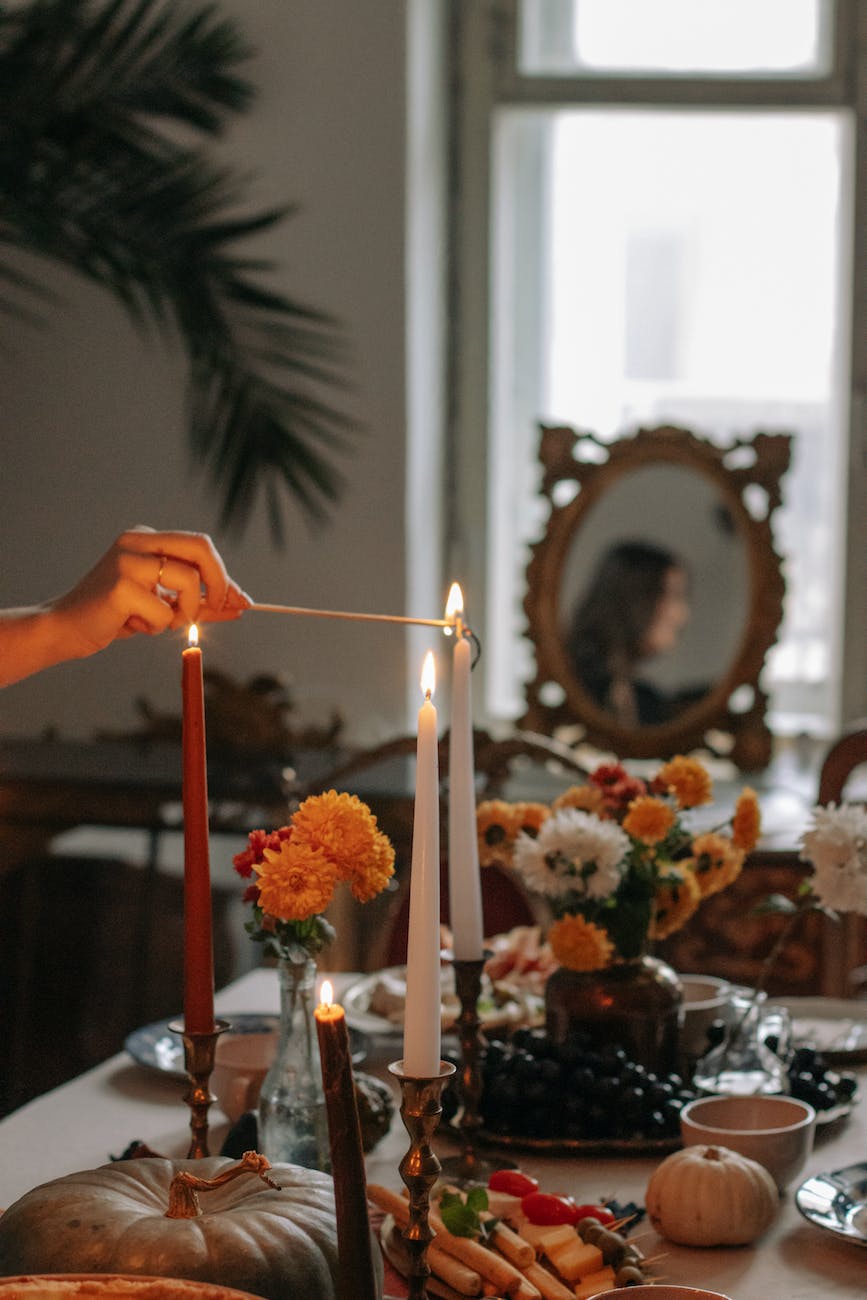
An example of a Samhain altar
Samhain Altar~ Pintrest
Posted on

Mabon


Mabon, also known as the Fall Equinox, is a significant Pagan holiday celebrated during the autumn season. This year it will be celebrated on September 23rd. This holiday holds great importance for those who follow Pagan or Wiccan traditions.

Mabon marks the time when day and night are in perfect balance, symbolizing the transition from summer to fall. It is a time to honor and give thanks for the abundance of the harvest season.

Rituals associated with Mabon vary among different pagan traditions. Some may choose to perform ceremonies outdoors, while others prefer indoor rituals within sacred spaces such as altars or shrines. Druids and other nature-based spiritual practices often connect with the natural world during this time by spending time in forests or near bodies of water.

The origins of Mabon can be traced back to ancient cultures such as the Romans and Druids who celebrated their own versions of harvest festivals during this time of year. These celebrations were centered around gratitude for nature’s bounty and preparing for the darker days ahead.

Creating an altar is a common practice during Mabon rituals. Altars are typically adorned with symbols of autumn such as colorful leaves, acorns, pumpkins, and other seasonal items that represent abundance and gratitude.

During Mabon rituals, participants may engage in activities like meditation, reflection, candle lighting, offering prayers or blessings to deities associated with this season, sharing meals with loved ones, or performing specific spells or divination practices related to harvest blessings.

Overall, Mabon serves as a reminder to appreciate nature’s cycles and express gratitude for all that we have received throughout the year. It is a time for reflection and connection with both us and the natural world around us.


Correspondence

Colors: Red (Dark), Maroon, Burgundy, Gold, Yellow, Orange (Dark), Brown

Incense/Plants: Almond leaves, Chamomile, Marigold, Passionflower, Rosemary, Rue, Saffron, Sage, Walnut leaves and husks, Yarrow

Elements: Water

Symbols/Decorations: Autumn Leaves, Cornucopia, Pinecones, Acorns, Nuts, Berries, Vines, Grapes, Wine, Baskets, Apples


Mabon Rituals

During Mabon, many pagans perform rituals and ceremonies to celebrate the holiday. These rituals often involve the use of symbols, such as apples, pumpkins, and corn. They may also include the lighting of candles, the burning of incense, and the casting of spells. One of the most important aspects of Mabon is the concept of balance.

Here is an example of a Mabon Ritual:

  • Cleanse the area of negative energy.
  • Cast your Circle.
  • Call the Quarters.
  • Invite the God and Goddess (or Deity(ies) of your choosing).
  • Take a few moments to think about the blessings in your life. Give thanks, either aloud or in your head; if you are in a group, feel free to go around the circle and have everyone share what they are thankful for.
  • Cakes and Ale
  • Thank the God and Goddess (Or Deity(ies) of your choosing).
  • Thank the Quarters.
  • Release the Circle.
  • Ground yourself.
  • Then, cast a Mabon spell. Here is an example of one but feel free to write your own.

Balance Spell

As Autumn brings balance to night and day,
Let there be balance between work and play.
May we live our lives harmoniously,
And in tune with Nature’s melody.

As Sun is to Moon
And midnight is to noon,
Let there be balance in all that we do.
May we know our inner light, and our inner darkness, too.

As I will it, so mote it be!


If you do not want to cast a spell for balance, you can try writing a blessing.

Here is an example:

“During this time of abundance and plenty,
I send my love and blessings to my family.
May you be blessed by the Lord and the Lady,
With Their Love and Light embracing thee.
Blessed be!”

I hope you enjoy this ritual. Have a blessed Mabon!

Posted on

Litha


A picture of the Sun smiling.

Litha, also known as Midsummer or the Summer Solstice, is a Pagan holiday that marks the longest day of the year. Astronomically, the summer solstice (June 21, 2023) will happen when the sun reaches its highest point in the sky. It is celebrated on June 21st every year and is one of the eight Sabbats.

This holiday celebrates the light and dark within us as we strive to find our inner strength. Traditionally, bonfires are lit to honor this day and pay tribute to the Oak King and Holly King in a battle of light and dark. Fire rituals are also performed to bring good luck for the upcoming season. Early European traditions celebrated midsummer by setting large wheels on fire and then rolling them down a hill into a body of water. Celebrations can also include altar ideas such as flowers, incense, candles, fruits, herbs, stones, and crystals that correspond with specific spells and rituals. On this day we celebrate life itself with joyous festivities!

Litha is a time to celebrate the longest day of the year and the abundance of nature. It is one of the eight sabbats in the Wheel of the Year, and it marks the transition from the waxing to the waning phase of the Sun. Fire is a symbol of this sabbat, as it represents the power and warmth of the Sun-God, who is at his peak on this day. Many Wiccans light bonfires or candles to honor him and to ask for his blessings of protection, fertility, and prosperity. There are also other deities that are associated with Litha, such as goddesses of love, beauty, and fertility, or gods of agriculture, harvest, and growth. Some examples are Aphrodite, Freya, Lugh, and Cernunnos. Litha is a joyous occasion to celebrate life, light, and abundance with gratitude and generosity.

If you are interested in the origins of Pagan names and festivals, you might have wondered what “Litha” means. Litha is one of the names for the summer solstice, the longest day of the year and a time of celebration for many cultures. But where does this name come from and what does it signify?

According to a medieval scholar named Bede, who wrote a book called “The Reckoning of Time”, Litha is an Anglo-Saxon word that means “gentle” or “navigable”. He explained that this was because the winds were calm, and the seas were smooth during this season. Bede also recorded the names of other months based on the Pagan customs of his time, such as Eostre (April), Thrimilchi (May), and Halegmonath (September).

Litha is not the only name for the summer solstice, though. Other traditions call it Midsummer, Alban Hefin, St. John’s Day, or simply the First Day of Summer. Whatever you call it, it is a time to honor the sun, the fire, and the abundance of nature. It is also a time to celebrate life, joy, and creativity. You can celebrate Litha by lighting a bonfire, making flower crowns, dancing, singing, or doing any activity that makes you happy and grateful.


Litha Correspondence

Colors: White, Red, Yellow, Orange, Gold, Green.


Energies: Power, Creativity, Inspiration, Love, Divination, God energy, Healing, Fertilization.


Oils/Incenses: Cinnamon, Heliotrope, Lemon, Musk, Orange, Rose, Saffron, Sandalwood, Wisteria, Vervain.

Plants and Herbs: Lavender, Chamomile, Roses, Daisies, Lily, Elder, Fennel, Sunflower, St. John’s Wort, Verbena.


Gemstones: Amber, Jade, Tiger’s eye, Jasper, Peridot, Aventurine, Ruby, Emerald.


Symbols: Sun wheel, Sun, Fire, Bonfires, Roses, Daisies, All rayed flowers, Torches, Fairies.


Foods: Ale, Bread, Cheese, Edible Flowers, Fresh fruits and vegetables, Lemons, Mead & Wine, Milk, Oranges, Pumpernickel bread, Oatmeal cake.

Drinks: Sunflower Tea. Fresh Juice from Seasonal Fruits, Water, Beer, and White Wine.