Posted on

Candle Flame Behavior Meanings

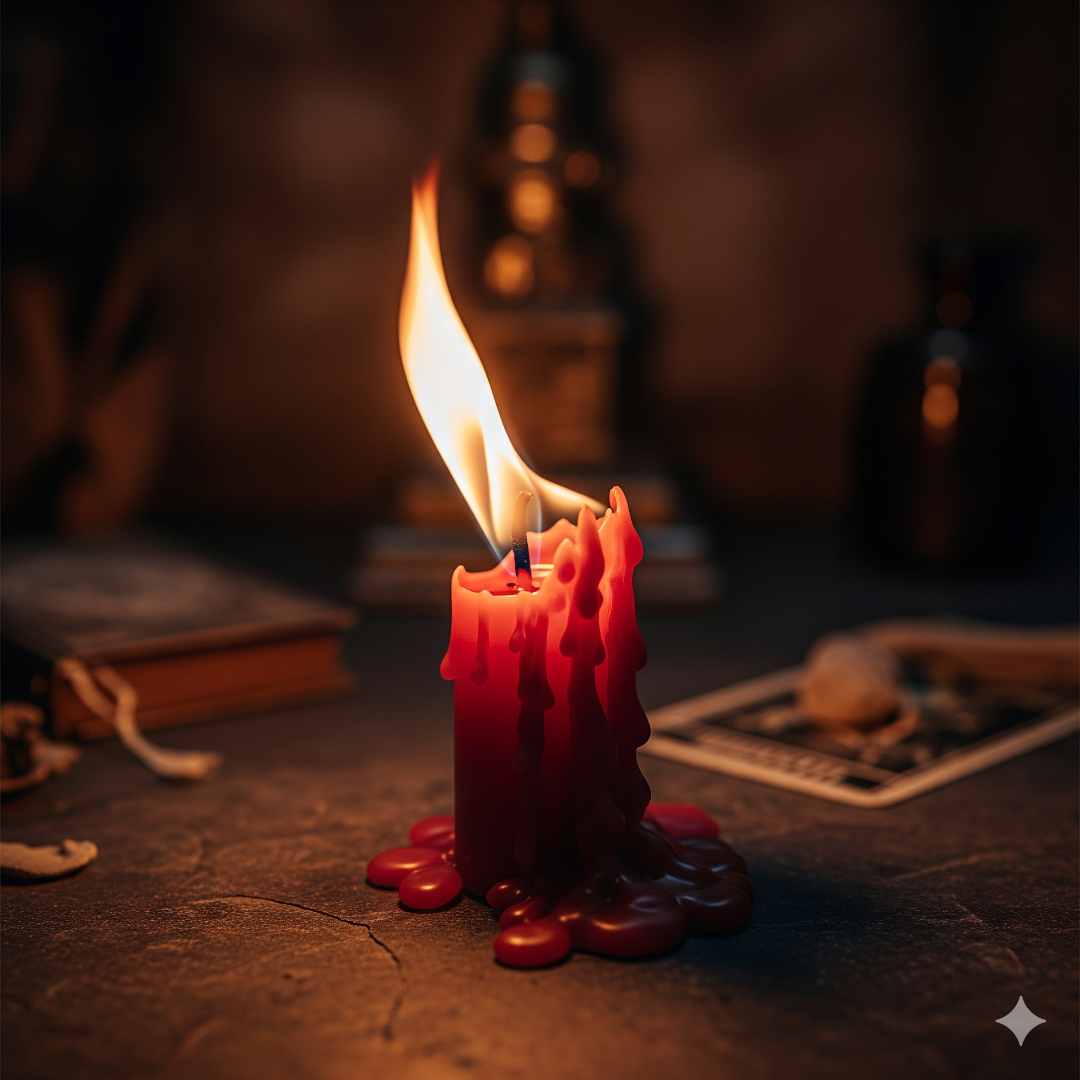
In witchcraft and other magical practices, the way a candle flame behaves can be a form of divination, offering insights into the energy of a spell, ritual, or a message from the spirit world. While a witch’s intuition is always the most important factor, here are some common interpretations of candle flame movements:

General Interpretations

* Steady and Strong Flame:

This is generally a positive sign. A tall, bright, and unwavering flame suggests that your intentions are clear, your energy is focused, and your spell is working effectively. It indicates success and a smooth path forward.

* Weak or Short Flame:

A low, weak flame can indicate obstacles or resistance. It may mean that your intention is facing blockages or that more energy is needed for the spell to be successful. It could also suggest a need for more focused intention or personal introspection. If the flame is small but steady, it may still be successful but will likely take longer to manifest.

* Fast Burning:

A candle that burns quickly and cleanly can mean that your intentions are not being met with much resistance and are likely to manifest swiftly. However, if it burns too fast, it could also mean that the result will be temporary. * Slow Burning: If a candle takes a long time to burn, it may signify that there are challenges or a long-term process involved in reaching your goal.

Specific Movements and Sounds

* Dancing or Jumping Flame:

A flame that moves erratically, jumps, or dances can represent high, intense, and often chaotic energy. This is usually a sign that the spell is working and a lot of energy is being released. It can also signify that the spell’s success may come with some complications. A jumping flame, in particular, can suggest a lot of energy is being released and that your magic will manifest quickly.

* Flickering Flame:

If a flame flickers, it can be a sign that a spirit, guide, or deity is present and trying to communicate with you. The direction of the flickering can also be significant. * Crackling or Popping Flame: A noisy flame that sizzles, crackles, or pops is often interpreted as communication from the spirit realm. The louder the sound, the stronger the message or the will of a spirit to communicate. It can also indicate spiritual discord.

* Sputtering Flame:

A sputtering flame can suggest low energy or a lack of focus in the spell. It may be a sign to re-energize your intention.

* Dual Flames:

If a single candle flame splits into two, it can represent duality, a partnership, or the presence of two different energies. This could mean two opposing forces are at play, or it could signal that two different spirits or guides have joined your ritual.

* Sudden Extinguishing:

A candle flame that suddenly goes out without a clear reason (like a draft) can be interpreted as a sign that the spell or intention is not aligned with your highest good or that the ritual has been completed. It may be a signal to stop and re-evaluate your work.

* Sooty or Black Flame/Smoke:

If a flame produces a lot of black soot or smoke, it can be a warning sign of negative energy, blockages, or spiritual resistance that needs to be cleared. It may indicate a need for cleansing or purification of the space or yourself.

Important Considerations

While these are common interpretations, it’s crucial to remember that they are not absolute rules. The most important thing is to trust your own intuition. A flame’s behavior can also be influenced by mundane factors such as drafts, impurities in the wax, or the length of the wick. Always rule out these physical explanations before jumping to a magical conclusion.

Posted on

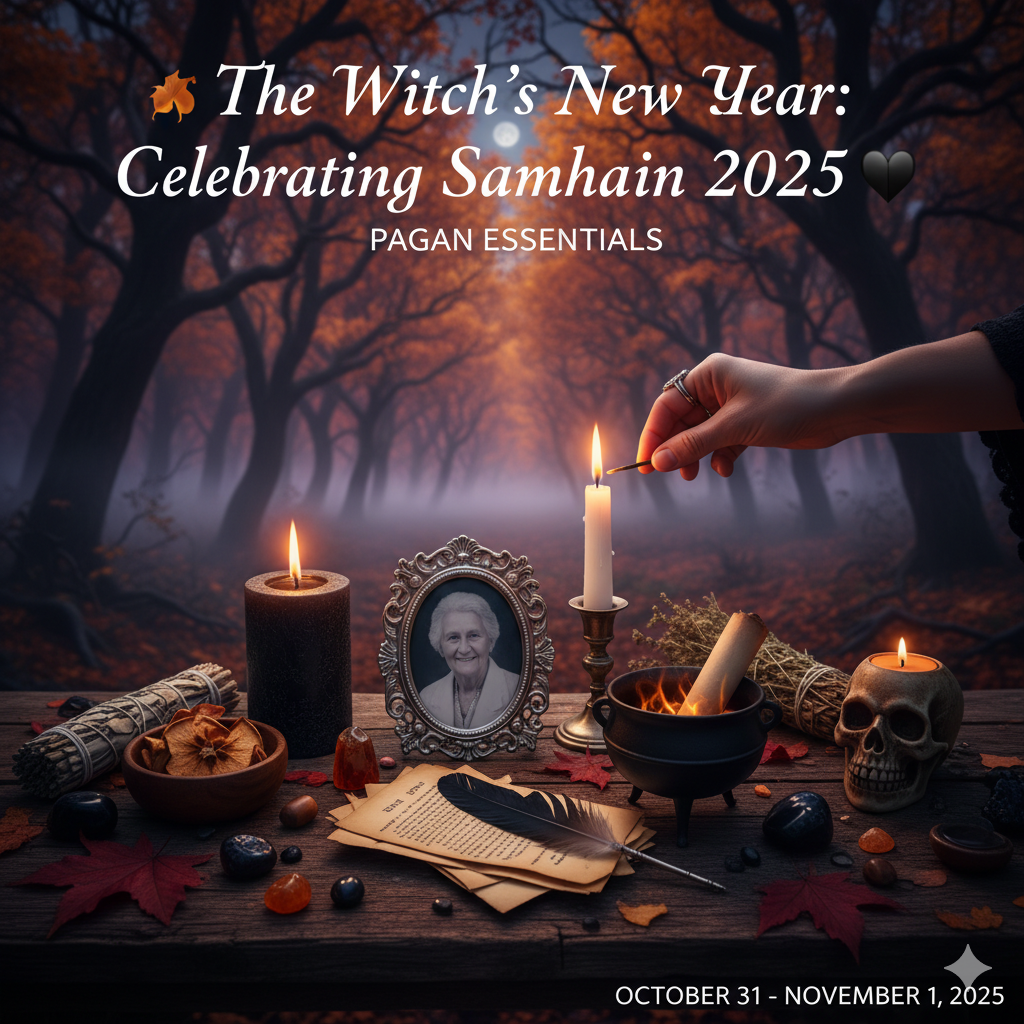
🍂 The Witch’s New Year: Celebrating Samhain 2025

Published: October 7, 2025

Samhain (pronounced Sow-in or Sah-win) is arguably the most sacred and magically potent of the eight Sabbats on the Wheel of the Year. It marks the final harvest, the death of the Summer God, and the transition into the dark half of the year. For many witches and pagans, it is considered the Witch’s New Year.​

This is a time for deep reflection, honoring our ancestors, and embracing the mysteries of the Veil.

Samhain is traditionally celebrated starting on the evening of October 31st and concluding on November 1st

​In the Northern Hemisphere, your celebration will officially begin on Friday evening, October 31, 2025.

Samhain is an ancient Celtic fire festival with roots in Ireland, Scotland, and the Isle of Man. Its name is believed to come from the Old Irish word for “summer’s end.”

The Thinning Veil

The central theme of Samhain is that the veil between the physical world and the spirit world (or Otherworld) is at its absolute thinnest. This makes it a powerful time for communication with the dead and for deep divination.

​A Festival of the Dead

​For the ancient Celts, Samhain was a time to revere the dead. They would light great bonfires, wear costumes to ward off or disguise themselves from harmful spirits, and leave food and drink offerings for both the benevolent spirits of their ancestors and other otherworldly beings. Many of the traditions we see in modern Halloween—like costumes, bonfires, and carved gourds—have direct roots in Samhain practices.

The Celtic New Year

As it marked the end of the harvest and the agricultural year, Samhain was also considered the Celtic New Year. This transition from the light half of the year to the dark half symbolizes a fresh start, a time to shed the old and prepare for a period of inward growth.

Working with the right magical correspondences can help you attune to the energy of the Sabbat.

Themes ~ death, rebirth, the ancestors, divination, reflection, releasing the old, the final harvest, the Shadow Self

Colors ~ black (absorption, protection), orange (harvest, fire), purple (psychic ability), red (life force)

Foods ~ apples, gourds (pumpkins, squash), root vegetables, dark breads, nuts, mulled cider, wine

Herbs and Scents ~ sage, mugwort, rosemary (for remembrane), cinnamon, nutmeg, patchoulii, pine

Symbols ~ skulls, bones, bats, spiders, cauldrons, carved pumpkins, turnips, candles, falling leaves,

Deities ~ Gsds and Goddesses of the Dead (Hecate, Hades, the Morrigan, Anubis), Crone aspects, Underworld deities

Gemstones ~ Obsidian, Black Tourmaline, Jet, Amethyst, Smokey Quartz

Embrace the energy of Samhain with these traditional and modern activities:

  • ​Create an Ancestor Altar: Dedicate a space to your beloved dead. Place photos, mementos, and offerings (like their favorite food or drink) on the altar. Light a candle to welcome their presence.
  • ​Host a Dumb Supper: A Dumb Supper is a meal eaten in complete silence, with an extra place set for the honored dead. The dead’s plate is offered first, allowing for quiet reflection and communion with your ancestors.
  • ​Practice Divination: With the veil thinned, your intuition is heightened. This is the perfect time for a deep Tarot or Rune reading, scrying, or attempting communication with the other side.
  • ​Perform a Release Ritual: Samhain is the New Year, so it’s time for a deep cleansing. Write down the negative habits, thoughts, emotions, or relationships you wish to release from your life. Safely burn the paper in a cauldron or fireproof bowl, visualizing the energy transforming into smoke and releasing into the universe.
  • ​Take a Nature Walk: Observe the natural death and decay of the season. Collect fallen leaves, acorns, and seed pods to decorate your home or altar, honoring the cycle of life, death, and rebirth.

This ritual is perfect for beginners and focuses on gratitude, remembrance, and release.

​You Will Need:

​ * A quiet, undisturbed space.​

  • A photo or memento of a loved one who has passed.​
  • A Black Candle (for release, protection, and the dark half of the year).​
  • A White Candle (for honoring ancestors and guiding spirits).​
  • A piece of paper and a pen.​
  • A fireproof bowl or cauldron.

The Ritual:

​1. Set the Space: Cleanse your space using smoke (like Sage or Mugwort) or sound (like a bell). Place your candles, memento, paper, and bowl on an altar or table. Take three deep, grounding breaths.​

2. Light the Black Candle (Release): Light the black candle. On the piece of paper, write down anything you wish to let go of from the past year—fear, regret, unhealthy habits, etc. Hold the paper and say:​

“As the Wheel of the Year turns, I release what no longer serves me. I let go of the old to welcome the new.”

Safely light the paper from the flame of the black candle and drop it into the fireproof bowl to burn completely. Observe the smoke carrying your burdens away.

​3. Light the White Candle (Welcome and Honor): Light the white candle. Pick up the memento of your loved one. Take a moment to remember them, speaking their name aloud and sharing a favorite memory or two. You may ask for their guidance in the coming year.​

“On this night when the veil is thin, I light this flame to honor you, my ancestors. May your wisdom guide my path and your memory be a blessing.”

Place the memento beside the white candle.​

4. Quiet Reflection: Sit in quiet meditation between the two candles. Reflect on the death of the old year and the birth of the new. Allow any thoughts or messages to come through without judgment.​

5. Closing: When you are ready, express gratitude to your ancestors and to the universe for the lessons of the past year.​

“The ritual is done. I am safe and blessed. The season of darkness has begun, and I welcome its wisdom.”

Allow the candles to burn down safely, or extinguish them with a snuffer. Leave the Ancestor Altar in place for at least a few days to honor the season.

💀Blessed Samhain, and Happy New Year! May your reflections be deep and your ancestors’ blessings be abundant.

Posted on

Dream Weaving: Unlocking the Oracle Within

Dream Magic and Interpretation: Techniques for Using Your Dreams for Divination and Personal Insight

​Dreams are more than just the brain’s nightly clean-up; they are a direct line to your subconscious, a portal to the collective unconscious, and a powerful tool for divination. For centuries, practitioners have treated the dream state as a sacred space—a place where the veil is thinnest, and divine messages are easily received. Welcome to the art of Dream Weaving, where we transform fleeting images into actionable wisdom.

1. Preparing the Sacred Sleep Space

Successful Dream Magic begins before your head even hits the pillow. Creating a dedicated liminal space prepares your mind to be receptive.

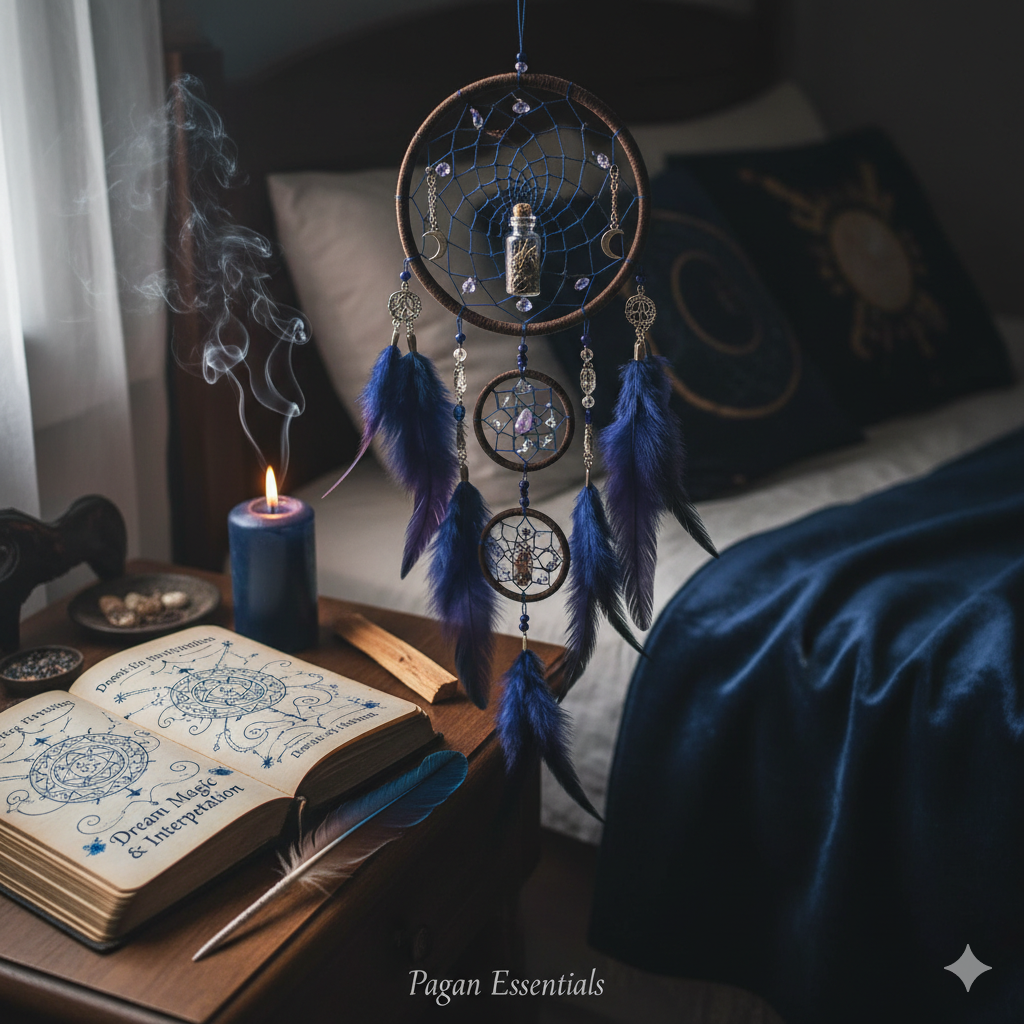
  • ​The Dream Pouch: Create a small muslin or cotton bag filled with herbs known to enhance psychic dreams. Mugwort is the undisputed champion, but you can also include Lavender for peace, Bay Leaf for prophecy, or a piece of Amethyst for spiritual clarity. Place this under your pillow or on your nightstand.
  • ​A Cleansing Ritual: Before sleep, take a moment to clear your energy. Light a stick of Palo Santo or Sage and gently smudge your bedroom, focusing on clearing away the stress of the day. State an intention aloud: “I open my mind to the wisdom of the night.”
  • ​Dream Journal Prep: Keep a dedicated journal and pen right next to your bed. Do not use your phone; the blue light and distraction can sever the connection. Your first few waking moments are crucial for capturing the dream’s essence.

2. Setting an Intentional Dream Quest

Dream divination can be passive (interpreting what comes naturally) or active (asking a specific question). The latter is known as a Dream Quest.

  • Formulate Your Question: Be specific, yet open-ended. Instead of: “Will I get a new job?” try: “Show me the path I need to take to achieve professional fulfillment,” or “What is the core issue blocking my abundance?”
  • ​The Visualization Anchor: Spend 5-10 minutes visualizing a symbol that represents your question. If you are seeking advice on a relationship, visualize two interwoven cords. If it’s a decision, visualize a fork in the road. Repeat your question three times.
  • ​The Invocation: Before closing your eyes, recite a simple invocation, calling on the spirit of the dream space, your ancestors, or your patron deities. (Example: “Spirits of the deep night, guide my eyes to the truth I seek.”)

3. Techniques for Interpretation

Waking up is only the halfway point. Now comes the hard work of turning images into insight.

​The ‘Feeling’ Filter

​The feeling of a dream is often more important than the literal imagery.

  • Tension/Relief: Did the dream leave you with a sense of dread, urgency, or profound peace? This emotional residue is your first key. If a dream of flying leaves you anxious, it may point to a fear of freedom, not literal elevation.
  • ​Color Symbolism: Pay attention to the dominant colors. Deep Red can signify passion or anger; Gold can represent success or a need for ego work; muted Greys can point to uncertainty.

The Triad of Interpretation

​Use these three lenses to analyze a key symbol or event from the dream:

  1. ​Personal Meaning (The Mirror): What does this symbol mean to you? If you dream of an owl, what is your immediate, unfiltered association? Wisdom? Fear? Your grandmother?
  2. ​Universal/Archetypal Meaning (The Library): What does this symbol mean in common lore or mythology? An owl is a classic symbol of Athena, wisdom, and shadow work.
  3. ​The Contextual Clue (The Scene): Where did the symbol appear? Was the owl in a beautiful forest or a dilapidated basement? The setting gives the symbol its current relevance to your life.

4. Integrating Dream Wisdom

​A dream is just a story until you apply its wisdom.

  • The Action Step: After interpreting a dream, commit to a small, tangible action. If your dream showed you a blocked doorway, the action might be to have a difficult conversation you’ve been avoiding.
  • ​The Ritual: If the dream was particularly potent or unpleasant (a nightmare that feels like a warning), perform a small ritual to acknowledge and neutralize or empower the message. Draw the key symbol on a piece of paper, work a simple knot spell, or light a candle dedicated to the dream’s guidance.

The night is a fertile ground for magic. By approaching your dream state with reverence and intention, you transform your sleep into a powerful divinatory practice.

Blessed Be, and Sweet Dreams,

— The Pagan Essentials Coven

Posted on

Book of Shadows vs. Grimoire: What’s the Difference?

​By Ivyjaded Wyldfyre

Greetings, fellow travelers on the magical path! Today, let’s delve into a topic that often sparks curiosity and sometimes a little confusion: the difference between a Book of Shadows and a Grimoire. While both are invaluable tools for any witch or pagan, they serve distinct purposes in our craft.

The Book of Shadows: Your Personal Magical Journal

Think of your Book of Shadows (BOS) as your most intimate magical companion – a personal journal of your spiritual journey and magical practice. It’s a living, breathing record of your experiences, insights, and growth.

What goes into a Book of Shadows?

  • Spells and Rituals: Not just any spells, but those you have personally worked, adapted, or created. Include details about the moon phase, time of day, your emotional state, and the results. Did it work? What would you change next time?
  • ​Correspondences: Your personal notes on herbs, crystals, colors, deities, astrological alignments, and their magical associations. This is tailored to your understanding and experience.
  • ​Divination Records: Keep track of your tarot readings, pendulum sessions, or other divinatory practices. What questions did you ask? What answers did you receive? How did they resonate?
  • ​Dreams and Visions: A space to record your dreams, particularly those that feel significant or carry magical messages.
  • ​Meditations and Reflections: Your thoughts, feelings, and insights gained during meditation, sabbat celebrations, or moments of spiritual clarity.
  • ​Recipes: Magical concoctions, incense blends, oils, and even recipes for pagan feasts.
  • ​Poetry, Art, and Sigils: Any creative expressions inspired by your practice.

​The BOS is deeply personal and often kept private. It’s a reflection of your unique path and evolves with you over time. There’s no right or wrong way to create one; it can be a simple notebook, a beautifully bound tome, or even a digital file. The most important thing is that it serves you.

​Here’s an example of what a beautifully adorned Book of Shadows might look like, perhaps open to a page with a new moon spell:

Book of Shadows

The Grimoire: A Comprehensive Magical Reference

A Grimoire, on the other hand, is more akin to a textbook or a reference manual for magical practices. While it can also be personal, its primary purpose is to compile information, spells, rituals, and magical knowledge that can be accessed and utilized by others, or as a structured resource for your own learning.

What goes into a Grimoire?

  • ​Established Spells and Rituals: These are often spells passed down through traditions, sourced from books, or widely known within a specific magical system. Think of classic protection spells or traditional ceremonial magic rituals.
  • ​Magical Theory: Explanations of magical principles, laws, and philosophies.
  • ​Divine Names and Invocations: Lists of deities, spirits, or entities, along with their sigils, symbols, and appropriate invocations.
  • ​Astrology and Numerology Charts: Detailed information on planetary hours, zodiac correspondences, and numerological meanings.
  • ​Herbal and Crystal Encyclopedias: Comprehensive lists of magical properties, uses, and preparation methods for various herbs and crystals.
  • ​Symbolism and Sigils: Meanings of various magical symbols, runic alphabets, ogham, or other magical scripts.
  • ​Consecration and Preparation: Instructions for consecrating tools, creating sacred space, and preparing for magical work.

​Grimoires tend to be more organized and structured than a BOS. They are often less about personal experience and more about documented magical knowledge. Many historical grimoires, like the Key of Solomon, are famous examples of this type of text. Some witches keep both – a BOS for their personal journey and a Grimoire for a more formalized collection of magical lore.

​Imagine a section of a Grimoire dedicated to various symbols and their meanings, beautifully illustrated for easy reference.

Grimoire

Can You Have Both? Absolutely!

Many practitioners find immense value in keeping both a Book of Shadows and a Grimoire. Your BOS becomes the place where you experiment, grow, and reflect, while your Grimoire serves as a solid foundation of magical wisdom to draw upon. Some even start with a general Grimoire and then gradually personalize sections into their BOS.

​Ultimately, the best approach is the one that resonates most with you and supports your unique magical journey. Whether you choose one, both, or something entirely different, the act of documenting your craft is a powerful magical act in itself.

​Blessed be, and may your pages be ever filled with wisdom and wonder!

About Ivyjaded Wyldfyre: Ivyjaded is a green witch, avid herbalist, and lover of ancient lore. She believes in finding magic in the everyday and connecting deeply with the natural world. When not tending her herb garden or brewing potions, she can be found lost in a good book or exploring forgotten forest paths.

Posted on

Mabon: A Time of Harvest and Balance

By Ivyjaded Wyldfyre  at Pagan Essentials

As the Wheel of the Year turns, we arrive at Mabon, the Autumn Equinox, a time of balance, gratitude, and the second harvest. For those of us in the Northern Hemisphere, this Sabbat marks the official start of autumn, when day and night stand in perfect equilibrium before the nights begin to lengthen.

When is Mabon 2025?

In 2025, Mabon in the Northern Hemisphere will occur on Monday, September 22nd.

The History of Mabon

While the name “Mabon” itself is a modern invention coined by Aidan Kelly in the 1970s, the celebration of the Autumn Equinox is ancient and deeply rooted in agricultural societies. Across various cultures, this time of year has always been dedicated to giving thanks for the bounty of the harvest, preparing for the colder months ahead, and acknowledging the changing seasons. It was a time of feasting, community gathering, and honoring the generous Earth.

Correspondences of Mabon

​Mabon is rich with symbolic correspondences that reflect its themes of harvest, balance, and gratitude.

  • Colors: Red, orange, yellow, brown, gold, deep greens, maroon.
  • ​Symbols: Cornucopia, baskets, sickles, acorns, pinecones, leaves, grapes, apples, pomegranates, squash, pumpkins, gourds, wine, bread.
  • ​Deities: Mabon Ap Modron (Welsh God of Light), Persephone, Demeter, John Barleycorn, Dionysus, Ceres, Inanna, Modron.
  • ​Herbs & Plants: Mugwort, rue, sage, yarrow, rosemary, frankincense, myrrh, oak, hazel, pine, cypress, cedar.
  • Crystals: Sapphire, amber, citrine, aventurine, carnelian, jasper, topaz, Lapis lazuli, agate, tiger’s eye
  • ​Animals: Deer, owl, wolf, bear, salmon.
  • ​Themes: Gratitude, balance, reflection, harvesting, abundance, protection, preparation, letting go, equality.

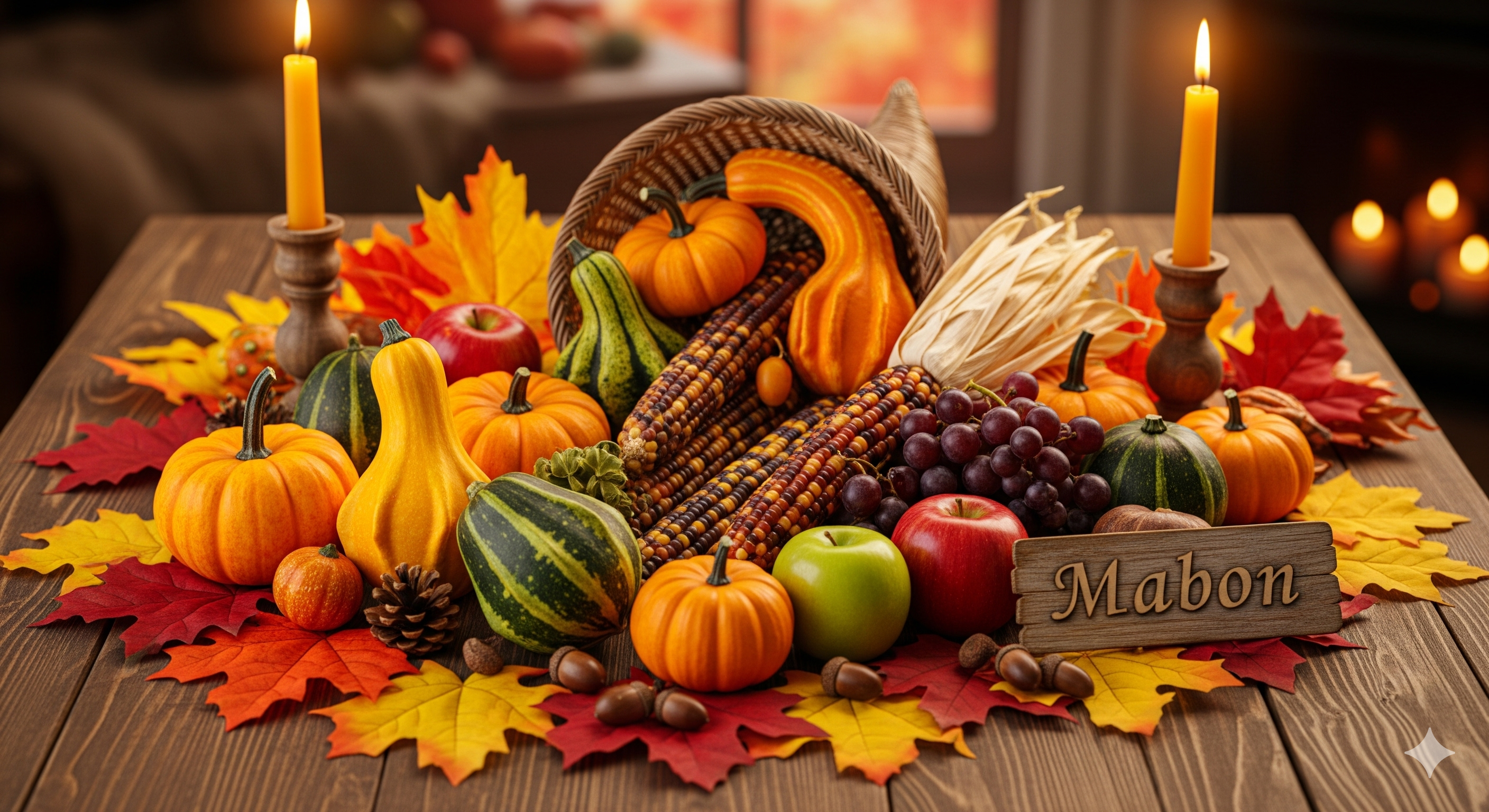
An Example Mabon Altar

Creating a Mabon altar is a wonderful way to honor the Sabbat and bring its energy into your home. Here’s an idea for inspiration:

Set out a rich, autumnal-colored cloth, perhaps in deep red or orange. In the center, place a cornucopia overflowing with small gourds, miniature pumpkins, apples, and ears of corn. Add candles in colors like gold, brown, or deep green. You might include representations of deities associated with Mabon, such as a statue of Demeter or a symbol of the Horned God. Scatter fallen leaves, acorns, and pinecones around the base. Include any crystals that resonate with Mabon’s energy, and perhaps a small chalice for offerings of cider or wine.

Mabon Activities to Participate In

There are many ways to celebrate Mabon and connect with its energies:

  1. ​Harvesting & Foraging: If possible, gather late-season herbs, fruits, or nuts. Even a trip to a local apple orchard or pumpkin patch can be a wonderful way to connect with the harvest.
  2. ​Feasting: Prepare a special meal using seasonal ingredients like apples, squash, corn, and root vegetables. Share it with loved ones as an act of gratitude for abundance.
  3. ​Nature Walks: Spend time in nature, observing the changing leaves and feeling the shift in the air. Collect fallen leaves, acorns, and other natural treasures.
  4. ​Autumn Decorating: Adorn your home with natural elements like gourds, pumpkins, dried corn, and colorful leaves.
  5. ​Gratitude Practice: Take time to reflect on the blessings and harvests in your life, both tangible and intangible. Keep a gratitude journal.
  6. ​Canning & Preserving: Engage in the traditional act of preserving food for the winter months, symbolizing preparation and self-sufficiency.
  7. ​Sabbat Cleaning: Just as nature is letting go, consider decluttering and cleansing your home to make space for new energies.
  8. ​Baking: Bake apple pies, pumpkin bread, or corn muffins as offerings or to share.

An Example Mabon Ritual: A Simple Gratitude Offering

This simple ritual can be performed alone or with others.

Supplies Needed:

  • ​A small piece of bread (homemade if possible)
  • ​A cup of cider, wine, or water
  • ​A quiet space, preferably outdoors or near your altar
  • A candle (optional)

The Ritual:

  1. ​Center Yourself: Find a comfortable position. Take a few deep breaths, grounding yourself to the Earth. If using a candle, light it now.
  2. ​Acknowledge the Season: Say aloud: “The wheel turns, and day and night stand in perfect balance. We welcome Mabon, the time of the second harvest, a moment of gratitude and reflection.”
  3. ​Offer the Bread: Hold the piece of bread in your hands. Reflect on the bounty it represents – the sun, rain, earth, and labor that brought it forth. Say: “For the gifts of the Earth, for the abundance in my life, for the nourishment of body and spirit, I am thankful.” Break off a piece and place it outside (if safe for wildlife) or on your altar as an offering.
  4. ​Offer the Drink: Hold the cup. Reflect on the sustenance and joy it brings. Say: “For the flowing waters, for the fruits of the vine, for health and vitality, I give thanks.” Pour a small amount outside or on your altar.
  5. ​Personal Gratitude: Take a moment to silently or audibly list specific things you are grateful for in your life right now.
  6. ​Release and Balance: Acknowledge the balance of Mabon. Say: “As light and dark find equilibrium, I seek balance within myself. I release what no longer serves me and embrace the wisdom of the changing seasons.”
  7. ​Closing: Thank the spirits of the season, your guides, or the divine as you understand them. Take a final deep breath. If you lit a candle, safely extinguish it.

May your Mabon be filled with abundance, gratitude, and perfect balance!

​Do you have any specific Mabon traditions you’d like to share, or would you like to see an image of a Mabon altar?

Mabon Altar