At Pagan Essentials, we take your spiritual growth seriously. Please keep the following in mind while browsing our services:
Free Will: Magick influences energy, but it does not override human free will.
Professional Advice: Our readings and spells are for spiritual guidance and entertainment purposes only. They are not a substitute for legal, medical, or financial advice.
Digital Delivery: All Numerology and Tarot reports are sent via the email provided at checkout. Ensure your "Spam" folder hasn't swallowed your destiny! Dismiss
As the days grow shorter and the air becomes crisp with the scent of fallen leaves, we find ourselves approaching one of the most significant celebrations in the pagan calendar—Samhain. This ancient festival, which marks the transition from the harvest season to winter, is not just a time to celebrate the bounty of the earth, but also to honor our ancestors and invite the magic of the beyond into our lives.
What is Samhain?
Samhain, pronounced “sow-in” or “sah-wen,” originates from the Gaelic word for “summer’s end.” Celebrated on the night of October 31st to November 1st, it is a pivotal time in the Wheel of the Year for many practitioners of witchcraft and paganism. In Celtic culture, Samhain was traditionally seen as a moment when the veil between the worlds of the living and the dead was at its thinnest, allowing spirits, ancestors, and otherworldly beings to traverse freely.
Historical Significance
Historically, Samhain signified the end of the harvest season and the beginning of winter. Communities would gather to celebrate the abundance of the land, inviting spirits and deities to join in their feasting. It was also a time for divination, as people sought insight into the coming year and beyond. Rituals often included lighting bonfires, making offerings, and preparing specific foods to nourish the spirits.
Modern Practices
Today, Samhain is celebrated by witches and those who embrace the pagan traditions with a blend of old customs and contemporary interpretations. Here are some ways to honor this magnificent season:
1. **Create an Ancestor Altar**:
Dedicate a space to honor your lineage. Decorate it with photos, heirlooms, and meaningful items that connect you to your ancestors. Light candles and offer food or drink as a way to invite their presence.
2. **Ritual Bonfire**:
While it might not be practical for everyone, if possible, gather around a bonfire with friends or family. Use this opportunity to reflect on the past year, share stories, and let go of things you no longer wish to carry by tossing them into the flames.
3. **Divination Practices**:
Samhain is an excellent time to practice divination. Whether using tarot cards, runes, or scrying, take this opportunity to seek guidance from the spiritual realm. Write your questions down, set your intentions, and listen to the messages that come through.
4. **Crafting Jack-o’-Lanterns**:
Carving pumpkins is a fun activity that has its roots in ancient rituals. Use the jack-o’-lantern as a way to ward off negative spirits, and consider placing it on your doorstep to greet visitors with warmth and protection.
5. **Nature Walks**:
As nature begins to fade into dormancy, take a moment to connect with the land. Gather fallen leaves, acorns, and other treasures to use in your rituals or decorations. Reflect on the cycles of life, death, and rebirth.
,
Honoring the Spirits
During Samhain, it’s essential to express gratitude and respect toward the spirits. Whether you believe in the afterlife or simply appreciate the lessons learned from those who have passed, acknowledging their influence can provide comfort and guidance. You might choose to hold a simple ceremony where you light a candle for each ancestor, sharing a memory or a blessing for them.
A Time for Reflection
This festival also encourages personal reflection. As the year winds down, consider journaling about your experiences, your growth, and what you hope to manifest in the future. Embracel0 the energy of transformation as you make space for new beginnings.
Conclusion
Samhain is a deeply powerful and meaningful time in the witch’s calendar. By embracing its rich traditions, honoring the past, and welcoming the energies of the unseen, we can fully experience the magic it brings. As we gather with loved ones and open our hearts to the mysteries of life and death, let us celebrate the blessings of our ancestors and prepare for the cycles ahead. Whether through solitary practice or community gatherings, may your Samhain be filled with light, love, and profound connection to the spirit world. Blessed be!
Lughnasadh, also known as Lammas, is a Pagan holiday celebrated on August 1st in the Northern Hemisphere. It marks the beginning of the harvest season and is a time to give thanks for the abundance of the Earth. The origins of Lughnasadh can be traced back to ancient Celtic traditions, particularly the festival dedicated to the Celtic god Lugh, who was associated with craftsmanship, skill, and the harvest.
Lughnasadh is a Celtic fire festival that celebrates the first fruits of the harvest and the blessings of the land. The name Lughnasadh comes from the Celtic god Lugh, who was honored at this time of year for his role in bringing about the successful harvest. The festival was traditionally celebrated with feasting, games, and contests, as well as rituals to ensure a bountiful harvest in the coming year.
One of the key elements of the Lughnasadh celebration is the making of corn dollies, which are braided figures made from the last sheaf of corn harvested from the fields. These corn dollies are often used as symbols of the harvest and are left in the fields as an offering to the land spirits. Another important aspect of the festival is the baking of bread from the newly harvested grains, which is then blessed and shared with the community as a symbol of the Earth’s abundance.
Lughnasadh also has strong associations with the cycle of life and death, as it falls halfway between the summer solstice and the autumn equinox. It is a time to reflect on the turning of the seasons and the impermanence of life, as the energy of the sun begins to wane and the days grow shorter. In many Pagan traditions, Lughnasadh is seen as a time of sacrifice and transformation, when we let go of the things that no longer serve us in order to make way for new growth and abundance.
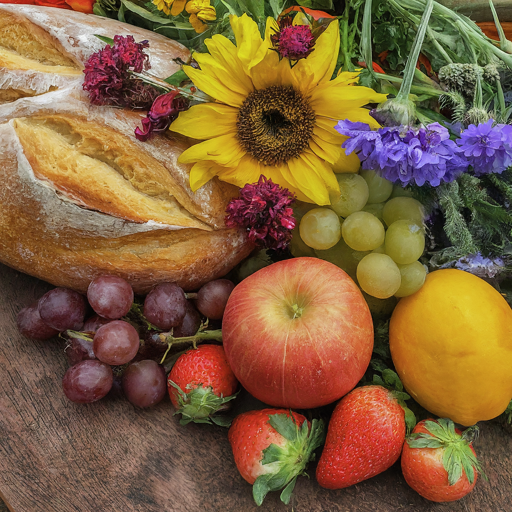
Correspondences for Lughnasadh include the colors gold, green, and yellow, as well as symbols of the harvest such as cornucopias, wheat sheaves, and sunflowers. The element associated with Lughnasadh is earth, representing the fertile soil that nourishes the crops. Offerings for the festival may include grains, fruits, and bread, as well as herbs such as lavender, rosemary, and sage.
Overall, Lughnasadh is a time to celebrate the fruits of our labor, both literally in terms of the harvest, and metaphorically in terms of our personal growth and achievements. It is a time to give thanks for the abundance of the Earth and to honor the cycle of life and death that sustains us all. Whether you celebrate with a traditional ritual, a feast with loved ones, or a quiet moment of reflection in nature, Lughnasadh is a reminder to be grateful for the blessings that surround us and to sow the seeds of our future intentions with care and intention.
May the spirit of Lughnasadh bless you with abundance, growth, and transformation as you navigate the changing seasons of life.
As the wheel of the year turns and the vibrant energy of spring reaches its zenith, we find ourselves at the threshold of summer, marked by the ancient Pagan Sabbat of Beltane. This festive holiday, celebrated on May 1st in the Northern Hemisphere and October 31st in the Southern Hemisphere, is a time of fire, fertility, and the harmonious balance of energies.
Beltane is a season of heightened spiritual energy. The thinning of the veil between the worlds of the living and the dead is a powerful catalyst for magic and divination, making Beltane an auspicious time to connect with the spiritual realm. During this season, the energies of the natural world and the divine become more accessible, enabling practitioners to tap into deeper spiritual truths and connect with the higher forces of the universe. Beltane represents a unique opportunity to unlock the transformative power of magic and divination, allowing us to break free from old patterns and beliefs and embrace new possibilities for growth and change.
The Essence of Beltane
Beltane, or May Day, is a time when the veil between worlds is thin, similar to its opposite point on the Wheel of the Year, Samhain. It is a day when the Earth is teeming with life, fertility, and the potential for abundant growth. The God and Goddess are often portrayed in equal power during this time, symbolizing the unity of masculine and feminine energies.
Origins of Beltane
Beltane has origins in the Gaelic/Celtic cultures of Ireland, Scotland, and the Isle of Man. The name Beltane comes from the Gaelic language, with “bel” meaning “bright” or “radiant” and “tane” meaning “fire”. It was traditionally celebrated on the night of April 30th and May 1st, which is the halfway point between the spring equinox and summer solstice. The festival marks the beginning of summer and the end of winter, and is a time to celebrate fertility, growth, and the power of the sun. It was also a time for livestock to be driven from their winter pastures to their summer grazing grounds, and for farmers to pray for a good harvest. Over time, Beltane has been influenced by other cultures and religions, such as Christianity, but its origins can still be traced back to the ancient Celtic traditions.
Traditions and Celebrations
One of the most iconic symbols of Beltane is the Maypole. The pole represents the phallus of the God, and the ribbons and the dance around it symbolize the fertility of the Goddess. Communities would rise at dawn to gather flowers and green branches, weave ribbons, and celebrate the fertility of the land.
Setting Up a Beltane altar
There are many creative ways to set up a Beltane altar. Here are a few ideas:
Decorate your altar with brightly colored flowers, such as daisies, primroses, roses, lilacs, and hawthorn blossoms to represent fertility and spring growth.
Add a Maypole to your altar. You can make a miniature version using ribbons, or decorate a larger one with flowers and streamers.
Use a cauldron or chalice to represent the Divine Feminine, the womb of creation, and the element of water. Include a symbol or picture to represent the Horned God who represents male energy and fertility.
Place symbols of fertility on your altar, such as eggs, seeds, and baby animals.
Include fresh herbs: Like rosemary, thyme, lavender, and mint, which can be used for cooking, smudging, or as offerings.
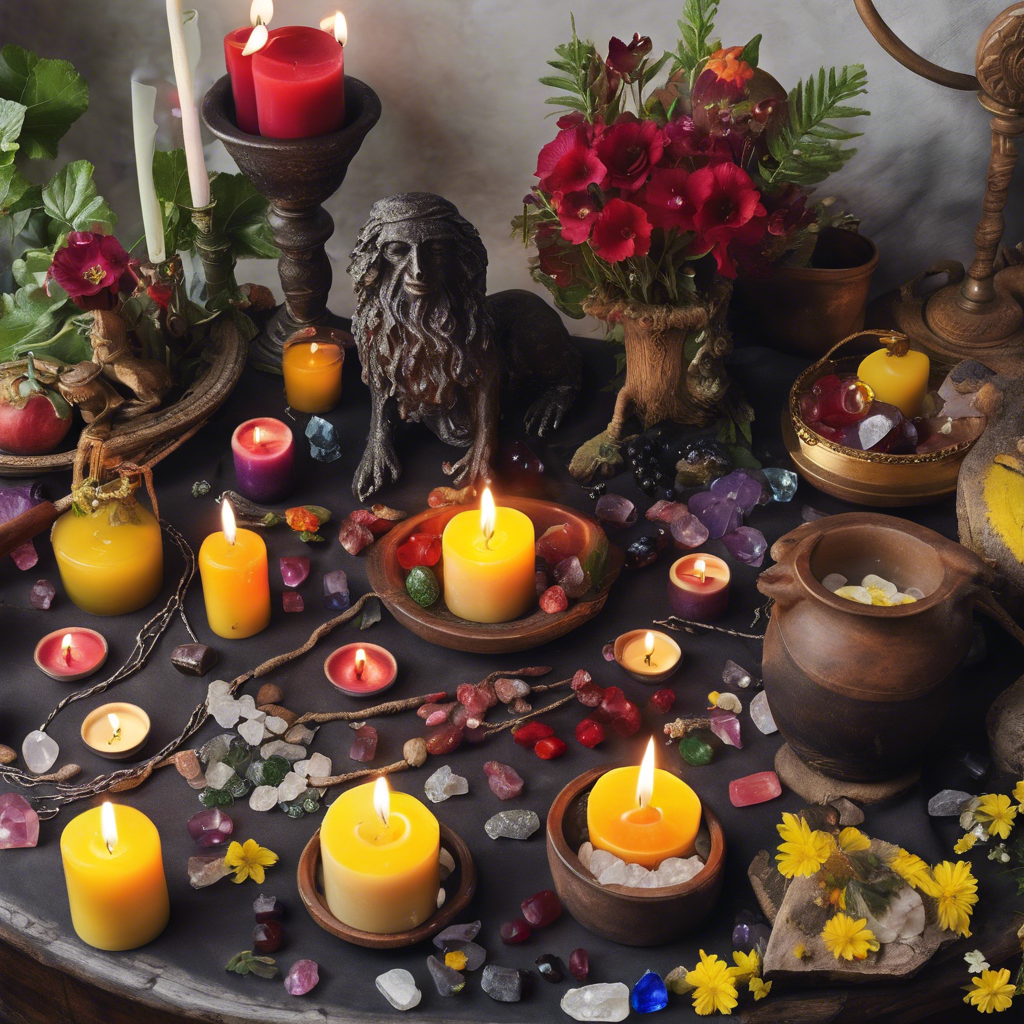
Include candles to represent the element of fire and the sun’s power. Choose bright, warm colors like red, orange or yellow.
Use crystals and gemstones associated with Beltane, such as emerald, rose quartz, and sunstone.
Add symbols of the Green Man and the Goddess, such as statues or pictures.
Include foods associated with Beltane, such as honey, strawberries, and fresh herbs.
Finally, don’t forget to smudge your altar with sage or other cleansing herbs to purify and prepare the space.
Using these symbols on your Beltane altar can help you to tap into the energy of the season and honor the traditions and beliefs of this ancient festival.
Fire Festivals
Fire still plays a prominent role in modern Beltane celebrations. Lighting a bonfire or candle represents the Sun’s life-giving energy. In Scotland, the Beltane Fire Festival is a spectacular event that draws thousands to witness the rekindling of life and light.
Beltane fire festivals have been celebrated for centuries, and the specific details of the celebrations varied depending on the specific region and culture. Here is a general overview of how Beltane fire festivals were set up and celebrated:
Preparation and gathering: In the days leading up to Beltane, preparations were made for the festival. People would clean and decorate their homes, and gather food and other offerings for the celebrations. Communities would come together to prepare for the festivities.
Bonfire: A large bonfire was the focal point of the Beltane celebrations. It was traditionally lit by a sacred fire, which was kindled by friction between two pieces of wood or a fire struck from flint. The fire represented the power of the sun and was seen as a way to purify and cleanse the land and the people.
Dancing and music: The fire was surrounded by dancing, music and revelry. Maypole dancing was a popular activity during Beltane, and people would dance around the maypole holding brightly colored ribbons.
Rituals and offerings: Beltane was a time for making offerings and performing rituals to honor the gods and nature spirits. People would offer food, drink, flowers and other gifts to the sacred fire and other altars that were set up for the festival.
Feasting and celebration: After the rituals and offerings were made, people would gather together to feast and celebrate. Food and drink were shared, and people would continue to dance, sing and make merry around the fire.
Overall, Beltane fire festivals were a time of communal celebration, with people coming together to honor the changing of the seasons, make offerings to the gods and nature spirits, and connect with the power of the sun and the earth. While the specifics of the celebrations varied from place to place, the core elements of feasting, dancing, music and ritual were a part of all Beltane fire festivals.
Handfasting and Fertility Rites
Beltane is also a popular time for handfasting, a traditional Pagan wedding ceremony. Couples would jump over the Beltane fire to bring luck and fertility to their union.
Handfasting is a traditional pagan ritual where a couple publicly acknowledges their love and commitment to each other before the divine, or however they individually define their beliefs. It is often referred to as “tying the knot” and is similar to a wedding ceremony. Beltane is considered a particularly auspicious and appropriate time for handfasting ceremonies for a few reasons:
Fertility and Love: Beltane is a celebration of fertility, love and union. It is believed that the Beltane energy can help to bless the union and increase the fertility of the couple.
Heightened Energy: Beltane falls between the spring equinox and the summer solstice and represents the peak of spring energy. This is seen as a particularly powerful and potent time for magic and rituals.
Celtic Traditions: Handfasting has its roots in Celtic traditions, and the Celtic festival of Beltane was an important celebration in the wheel of the year. Handfasting during Beltane is seen as a way to honor and connect with these traditions.
Connecting to Nature: Beltane celebrates the return of the fertility of the earth, and handfasting during this time is seen as a way to connect with and honor this natural cycle.
Overall, Beltane is seen as a powerful and appropriate time to celebrate love and commitment through handfasting, connecting the couple with the energy of the season to bless their union and honor the greater natural cycles of life.
Modern Celebrations
Today, Pagans continue to celebrate Beltane with fire, dancing, and rituals that honor the balance of energies. It’s a time for planting seeds, both literally in the garden and metaphorically in our lives. Beltane invites us to embrace the passion and potential within and around us, to engage in the dance of life with joy and anticipation for the summer to come.
Modern-day Beltane Sabbats are celebrated differently from traditional or ancient celebrations, as it has adapted itself to modern-day cultures, practices, and beliefs. Here are a few ways in which modern-day Beltane Sabbats may be celebrated:
Community Events: Modern pagan communities often have Beltane Sabbat celebrations that bring people together to celebrate the season with music, dancing, and other festivities. These events may include workshops, performances, and other forms of entertainment.
Personal Rituals: Many people celebrate Beltane through personal rituals that may involve meditation, lighting candles, making offerings to the earth, or performing a spell or ritual.
Maypole Dancing: Maypole dancing is still a popular practice in many modern-day Beltane celebrations. People dance around a maypole, weaving ribbons around it to symbolize the union of the masculine and feminine energies.
Feasting: The tradition of feasting and sharing food is still an important part of many modern-day Beltane celebrations. People gather with loved ones and friends to enjoy the bounty of the earth and celebrate spring.
Nature Walks: Many people celebrate Beltane by taking walks in nature, visiting local gardens or parks, and connecting with the earth. Some may also participate in outdoor activities like hiking, camping, or nature photography.
Integrating Eco-friendly rituals: With the growing awareness of the environmental impact of human activities, many pagan communities are working to integrate environmentally sustainable practices into their Beltane celebrations. As a community that honors nature and the earth, it is essential that we seek to minimize our ecological footprint and promote the health of the planet. Some ways we can achieve this include using biodegradable or reusable materials for decorations, reducing waste by using compostable plates and utensils, and choosing locally sourced or seasonal food for feasting. We can also incorporate eco-friendly rituals, such as offering seeds or plants to the earth as a symbol of regeneration, or engaging in outdoor activities that connect us with nature. Integrating such environmentally sustainable practices in our Beltane celebrations is a way of honoring the earth and deepening our connection with the natural world.
Overall, modern-day Beltane Sabbats offer a variety of ways for people to celebrate the season in a way that is meaningful and relevant to their individual practices and beliefs. While the specifics of the celebrations may vary, the core themes of fertility, renewal, and community continue to be celebrated and honored.
Beltane is a reminder of the enduring cycle of life, death, and rebirth. As we celebrate, we connect with our ancestors and the natural world, recognizing the fires of creativity and life that burn within us all.
I trust that you relished this elucidation on the Beltane celebration. Should you desire any particular facets to be expounded upon or incorporated into your blog, kindly apprise me and I shall gladly oblige. 🌷🔥
Lammas is a traditional Celtic festival that marks the beginning of the harvest season. Celebrated on August 1st or the first weekend in August, it holds great significance for agricultural communities and those who follow pagan or Wiccan traditions.
Lammas is also known as Lughnasadh (pronounced Loo-NAS-ah). In some Wiccan and Pagan traditions, Lammas is also a day honoring Lugh, the Celtic god of craftsmanship, grain, the Sun, and late summer storms.
Like all Celtic or Pagan holidays, Lammas also honors goddesses whose associations, strengths, and myths align with the work we’re doing at this time of year. Ceres, the harvest goddess, known as Demeter by the Greeks, and Tailtiu, mother of Lugh, are significant forces of agricultural abundance. We receive their blessings in the bounty of food that feeds us the rest of the year.
During Lammas, people gather to give thanks for the abundance of the harvest and to honor the god Lugh, who is associated with skills, craftsmanship, and abundance. It is a time to appreciate the fruits of our labor and reflect on the cycles of nature.
Regarding correspondence, Lammas is often associated with grains such as wheat, corn, and barley. These crops symbolize fertility and sustenance. Other correspondences include colors like gold and yellow to represent ripening crops and symbols of sunflowers or cornucopias to signify abundance.
When setting up an altar for Lammas, you can incorporate these correspondences by placing items such as freshly harvested grains or bread made from them. Sunflowers or golden-hued candles can add visual appeal while representing prosperity. Additionally, you may wish to include seasonal fruits or vegetables that are abundant during this time.
Overall, Lammas is a festival that encourages gratitude for nature’s bountiful gifts and serves as a reminder of our connection to the cycles of life.
Six Ways to Honor Lammas:
Create a Lammas Altar
Create a Harvest Jar
Bake Bread
Light Candles (Orange and Yellow)
Work with Crystals pertaining to the Sun’s energy (Carnelian, Citrine, Golden Healer Quartz, and Yellow Fluorite)
Charge your Witchcraft Tools in the late summer sunshine to absorb the Sun’s vitality
 Pagan Essentials