Posted on — 1 Comment

Imbolc 2025

Celebrating Imbolc 2025: A Festival of Light and Renewal

Imbolc is a cherished festival with deep roots in ancient traditions. It marks the halfway point between the winter solstice and the spring equinox. Celebrated on February 1st or 2nd, Imbolc heralds the arrival of spring and symbolizes the return of light after the long, dark winter months. In 2025, Imbolc will be celebrated on February 1st.

Historical Significance

Imbolc comes from the Old Irish word “imbolg,” meaning “in the belly.” This signifies when ewes start to lactate and heralds the start of the agricultural year. This festival is often linked to Brigid. She is the goddess of fertility, healing, and poetry. Brigid embodies the themes of fire and light. As the days grow longer, Imbolc reminds us of the impending renewal of life. It also signals the awakening of the earth.

Rituals and Traditions

Imbolc is rich with rituals and activities that honor the returning light and the goddess Brigid. Here are some common practices:

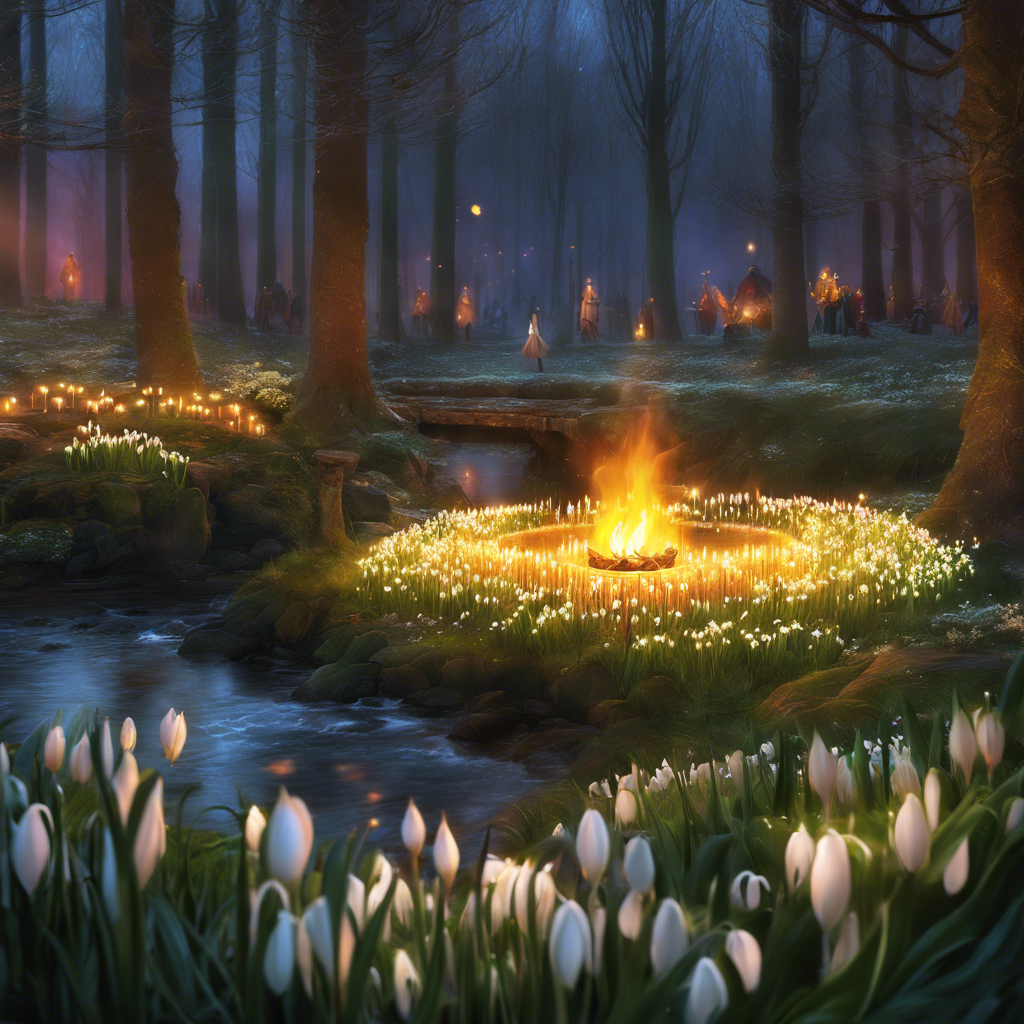
  • **Lighting Candles**: To symbolize the increasing light, it’s customary to light candles or a bonfire. This act serves as a way to invite warmth and illumination into your home.
  • **Brigidโ€™s Cross**: Crafting a Brigidโ€™s Cross from rushes or straw is a traditional practice. This cross is hung in the home for protection and blessings.
  • **Purification Rituals**: Many celebrate Imbolc by performing purification rituals, such as cleansing their homes with sage or water, symbolizing the removal of negativity and welcoming new energy.
  • **Feasting**: Preparing and sharing a special feast with seasonal foods, such as dairy products, grains, and root vegetables, is a way to honor the earth and its gifts.
  • **Brigidโ€™s Bed**: Some create a special place for Brigid, often a bed adorned with white cloth and flowers, symbolizing her presence and blessings in the household.
  • **Nature Walks**: As the first signs of spring begin to appear, a nature walk can be a beautiful way to connect with the earth and observe the emerging life.

Correspondences

Understanding the correspondences associated with Imbolc can enhance your celebration. Here are some key elements to consider:

  • **Elements**: Fire and Water. Fire symbolizes inspiration and purification, while water represents the renewal of life.
  • **Colors**: White, red, and green. These colors represent purity, fertility, and the budding earth.
  • **Herbs and Plants**: Snowdrops, crocuses, and other early-blooming flowers are associated with Imbolc. Herbs like rosemary, mint, and thyme can also be used in rituals.
  • **Stones**: Clear quartz, amethyst, and garnet are stones that resonate with the energy of Imbolc, promoting clarity and protection.

Conclusion

Imbolc is a beautiful celebration of light, renewal, and the promise of spring. As we gather to honor traditions, perform rituals, and connect with nature, we invite the warmth and growth of the coming season into our lives. Whether you choose to light candles, craft a Brigidโ€™s Cross, or simply enjoy a feast with loved ones, Imbolc is a time to reflect on the light within and the potential that lies ahead in the year to come. Embrace this magical festival, and let the spirit of Imbolc inspire you!

๐ŸŒ›โญ๏ธ๐ŸŒœ

Imbolc Ritual for 2025

**Preparation:**

1. **Set the Space:** Choose a quiet space where you can perform the ritual. Cleanse the area by burning sage or sprinkling salt water.

2. **Gather Supplies:**

  • A candle (preferably white or yellow)
  • A small bowl of water
  • A representation of Brigid (such as a statue, picture, or a handmade Brigidโ€™s cross)
  • Flowers or greenery (like snowdrops or willow branches)
  • Incense (optional)
  • A journal and pen

๐ŸŒŸ

**Ritual Steps:**

1. **Create an Altar:**

  • Place the candle in the center of your altar.
  • Surround it with the flowers or greenery.
  • Position the representation of Brigid and the bowl of water nearby.

2. **Light the Candle:**

  • As you light the candle, say a few words of intention, such as: 

     “As the light returns, so does hope and renewal. I honor Brigid and invite her blessings into my life.”

3. **Invoke Brigid:**

  • Take a moment to meditate on Brigidโ€™s qualities: healing, poetry, and the forge. You may choose to recite a prayer or poem dedicated to her.

4. **Water Blessing:**

  • Dip your fingers into the bowl of water and sprinkle a few drops around your space, symbolizing purification and new beginnings. You can say:

     “With this water, I welcome renewal and clarity into my life.”

5. **Set Intentions:**

  • Write down your intentions or goals for the upcoming season in your journal. Focus on what you want to nurture and bring to fruition. 

   – Once youโ€™ve written them down, hold the paper over the candle flame (safely) to symbolize releasing your intentions into the universe.

6. **Closing:**

  • Thank Brigid for her presence and guidance. Extinguish the candle, knowing that the light continues to grow as the days lengthen.
  • If you like, you can keep the candle as a focus for your intentions throughout the season.

7. **Feasting:**

  • Celebrate with a small meal or snack that includes dairy (symbolizing the lactating ewes), bread, and seasonal vegetables. 

This ritual can be adjusted to fit your personal beliefs and practices. Enjoy the warmth and renewal that Imbolc brings!

Posted on — 1 Comment

Yuletide Magic: Celebrating the Winter Solstice

A blog post for witches and magic enthusiasts~

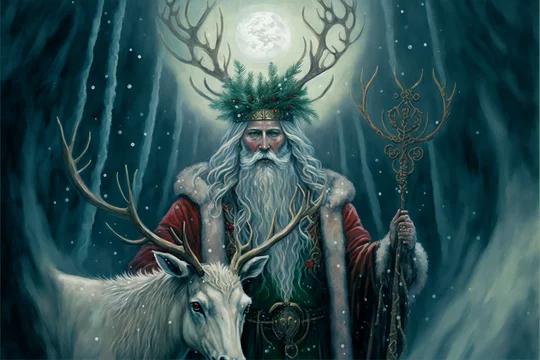
God Odin

Yule, the Winter Solstice,  marks the turning of the Wheel of the Year and is a time of renewal, rebirth, and the triumph of light over darkness. It’s a magical time to connect with the natural world and harness energy for your spells and rituals.


When is Yule?

The Winter Solstice typically falls on December 21st or 22nd in the Northern Hemisphere. It marks the shortest day and longest night of the year, symbolizing the death of the old year and birth of the new.


Yule Correspondence~

  • Colors: Red, green, gold, and white
  • Herbs: Holly, ivy, mistletoe, pine needles, rosemary, and cinnamon
  • Stones: Ruby, emerald, garnet, clear quartz
  • Deities: Freya, Odin, Sol Invictus
  • Animals: Deer, owl, bear, fox
  • Scents: Pine, cinnamon, frankincense, and myrrh

Yule Ritual Ideas:

Yule Log Ceremony ~

Purpose – to symbolize the cycle of life, death, and rebirth

  • Gather a Yule log, preferably from an Evergreen tree
  • Decorate it with ribbons, pine cones, or other natural adornments
  • As you light the log, say a prayer of intention for the coming year
  • Let the log burn slowly, symbolizing the passing of the old and the birth of the new

Winter Solstice Spell ~

Purpose – to manifest intentions for the coming year

  • Gather your Yule Correspondence – Red and green candles, a sprig of Holly, and a piece of paper
  • Write your intentions clearly and concisely for the New Year on the paper
  • Light the candles and burn the paper, visualizing your desires manifesting
  • As the papers burn, say: “Winter’s night is fading fast, A new year dawns, a hopeful cast. Let light and love now fill the air, as I release old worries and care.”

Decorate your Altar ~

  • Adorn your Altar with Yule symbols like evergreen boughs, red, green, and gold candles, and pinecones and ribbon
  • Place a Yule log or small candle in the center to represent the returning sun
  • Include offerings for the gods and spirits, such as honey, wine, and fresh fruit

Yuletide Magic Tips ~

  • Nature connection – spend time outdoors, connecting with the natural world. Take a walk in the forest or simply observe the Winter sky
  • Reflect on the blessings in your life – write down things you are grateful for in the past year, and express gratitude
  • Self-Care – practice self-care rituals like taking a warm bath, meditating, listening to music or reading a good book
  • Community – gather with friends and family to celebrate the season and share warmth and joy.

By incorporating these rituals and practices into your Yule celebrations, you can harness the powerful energy of the Winter Solstice and manifest your intentions for the coming year

Happy Yule!

Pagan Essentials Llc

Subscribe to continue reading

Subscribe to get access to the rest of this post and other subscriber-only content.

Posted on — 5 Comments

Samhain 2024

Embracing Samhain: The Witch’s New Year

As the days grow shorter and the air becomes crisp with the scent of fallen leaves, we find ourselves approaching one of the most significant celebrations in the pagan calendarโ€”Samhain. This ancient festival, which marks the transition from the harvest season to winter, is not just a time to celebrate the bounty of the earth, but also to honor our ancestors and invite the magic of the beyond into our lives.


What is Samhain?

Samhain, pronounced “sow-in” or “sah-wen,” originates from the Gaelic word for “summer’s end.” Celebrated on the night of October 31st to November 1st, it is a pivotal time in the Wheel of the Year for many practitioners of witchcraft and paganism. In Celtic culture, Samhain was traditionally seen as a moment when the veil between the worlds of the living and the dead was at its thinnest, allowing spirits, ancestors, and otherworldly beings to traverse freely.


Historical Significance

Historically, Samhain signified the end of the harvest season and the beginning of winter. Communities would gather to celebrate the abundance of the land, inviting spirits and deities to join in their feasting. It was also a time for divination, as people sought insight into the coming year and beyond. Rituals often included lighting bonfires, making offerings, and preparing specific foods to nourish the spirits.


Modern Practices

Today, Samhain is celebrated by witches and those who embrace the pagan traditions with a blend of old customs and contemporary interpretations. Here are some ways to honor this magnificent season:


1. **Create an Ancestor Altar**:

Dedicate a space to honor your lineage. Decorate it with photos, heirlooms, and meaningful items that connect you to your ancestors. Light candles and offer food or drink as a way to invite their presence.


2. **Ritual Bonfire**:

While it might not be practical for everyone, if possible, gather around a bonfire with friends or family. Use this opportunity to reflect on the past year, share stories, and let go of things you no longer wish to carry by tossing them into the flames.


3. **Divination Practices**:

Samhain is an excellent time to practice divination. Whether using tarot cards, runes, or scrying, take this opportunity to seek guidance from the spiritual realm. Write your questions down, set your intentions, and listen to the messages that come through.


4. **Crafting Jack-o’-Lanterns**:

Carving pumpkins is a fun activity that has its roots in ancient rituals. Use the jack-oโ€™-lantern as a way to ward off negative spirits, and consider placing it on your doorstep to greet visitors with warmth and protection.


5. **Nature Walks**:

As nature begins to fade into dormancy, take a moment to connect with the land. Gather fallen leaves, acorns, and other treasures to use in your rituals or decorations. Reflect on the cycles of life, death, and rebirth.

,

Honoring the Spirits

During Samhain, itโ€™s essential to express gratitude and respect toward the spirits. Whether you believe in the afterlife or simply appreciate the lessons learned from those who have passed, acknowledging their influence can provide comfort and guidance. You might choose to hold a simple ceremony where you light a candle for each ancestor, sharing a memory or a blessing for them.


A Time for Reflection

 This festival also encourages personal reflection. As the year winds down, consider journaling about your experiences, your growth, and what you hope to manifest in the future. Embracel0 the energy of transformation as you make space for new beginnings.


Conclusion

Samhain is a deeply powerful and meaningful time in the witchโ€™s calendar. By embracing its rich traditions, honoring the past, and welcoming the energies of the unseen, we can fully experience the magic it brings. As we gather  with loved ones and open our hearts to the mysteries of life and death, let us celebrate the blessings of our ancestors and prepare for the cycles ahead. Whether through solitary practice or community gatherings, may your Samhain be filled with light, love, and profound connection to the spirit world. Blessed be!

Posted on

Grounding Techniques in Everyday Magic

Introduction

In the world of witchcraft, grounding is a fundamental practice that connects us to the Earth and helps to stabilize our energy. Whether you’re a seasoned practitioner or just starting your magical journey, grounding techniques are essential for maintaining balance in your life. In this blog, weโ€™ll explore various grounding techniques that you can effortlessly incorporate into your daily routine to enhance your magical practices and promote overall well-being.

What is Grounding?

Grounding, or earthing, refers to the process of connecting with the Earthโ€™s energy to stabilize your own. It allows you to release excess energy, regain your focus, and cultivate a sense of peace and tranquility. Grounding can be particularly useful during times of stress or when you feel overly emotional, as it helps to bring you back to the present moment.

Why is Grounding Important in Witchcraft?

In witchcraft, grounding serves several purposes:

  1. Energy Regulation: Grounding helps you regulate your personal energy, ensuring that you have a stable foundation for your magical work. It prevents you from becoming overwhelmed by the energy you may be channeling during rituals or spellwork.
  2. Enhancing Focus: A grounded practitioner is better able to focus on their intentions and thoughts. By grounding, you clear mental clutter, allowing for a more profound connection with your spells and rituals.
  3. Emotional Balance: Grounding techniques can help you manage your emotions, providing a sense of calm and clarity. This is especially beneficial when working with potent energies during rituals or dealing with emotional challenges.

Everyday Grounding Techniques

Here are some simple yet effective grounding techniques you can incorporate into your daily life:

1. Nature Walks

Spending time in nature is one of the most effective ways to ground yourself. Take a walk in a park, forest, or anywhere you can connect with the Earth. As you walk, focus on the sensations of your feet touching the ground, the sounds of nature around you, and the fresh air filling your lungs. Allow yourself to absorb the natural energy of the environment.

2. Meditation and Visualization

Set aside time each day for meditation. Find a quiet space, sit comfortably, and close your eyes. Visualize roots extending from your body into the Earth, anchoring you firmly. Imagine drawing up the Earthโ€™s energy through these roots, filling you with strength and stability. This practice can be particularly effective before spells or rituals to ensure you are centered.

3. Breathwork

Breathing exercises can help you ground yourself quickly. Take deep, intentional breaths, inhaling through your nose, holding for a moment, and exhaling slowly through your mouth. With each exhale, visualize releasing any excess energy or stress, and with each inhale, draw in grounding energy from the Earth.

4. Physical Activities

Engaging in physical activities, such as yoga, dancing, or even gardening, can help ground your energy. These activities connect you with your body and the Earth, promoting a sense of balance and stability. Try incorporating grounding poses, like Mountain Pose or Tree Pose, into your yoga practice.

5. Crystals and Stones

Using grounding crystals, such as hematite, black tourmaline, or red jasper, can enhance your grounding practice. Carry these stones with you or place them in your space to help anchor your energy. You can also hold a grounding crystal during meditation, visualizing its energy connecting you to the Earth.

6. Creative Expressions

Engaging in creative activities, such as painting, writing, or crafting, can also serve as grounding techniques. When you immerse yourself in creativity, you channel your energy and emotions into a tangible form, helping to release excess energy and bring you into the present moment.

Conclusion

Incorporating grounding techniques into your everyday life can profoundly impact your magical practices and overall well-being. By connecting with the Earthโ€™s energy, you can stabilize your emotions, enhance your focus, and create a solid foundation for your witchcraft. Remember, grounding is a personal practice, so experiment with different techniques to find what resonates best with you. Embrace the magic of grounding, and let it empower your journey in the world of witchcraft!

Posted on

Lughnasadh 2024

Lughnasadh, also known as Lammas, is a Pagan holiday celebrated on August 1st in the Northern Hemisphere. It marks the beginning of the harvest season and is a time to give thanks for the abundance of the Earth. The origins of Lughnasadh can be traced back to ancient Celtic traditions, particularly the festival dedicated to the Celtic god Lugh, who was associated with craftsmanship, skill, and the harvest.

Lughnasadh is a Celtic fire festival that celebrates the first fruits of the harvest and the blessings of the land. The name Lughnasadh comes from the Celtic god Lugh, who was honored at this time of year for his role in bringing about the successful harvest. The festival was traditionally celebrated with feasting, games, and contests, as well as rituals to ensure a bountiful harvest in the coming year.

One of the key elements of the Lughnasadh celebration is the making of corn dollies, which are braided figures made from the last sheaf of corn harvested from the fields. These corn dollies are often used as symbols of the harvest and are left in the fields as an offering to the land spirits. Another important aspect of the festival is the baking of bread from the newly harvested grains, which is then blessed and shared with the community as a symbol of the Earth’s abundance.

Lughnasadh also has strong associations with the cycle of life and death, as it falls halfway between the summer solstice and the autumn equinox. It is a time to reflect on the turning of the seasons and the impermanence of life, as the energy of the sun begins to wane and the days grow shorter. In many Pagan traditions, Lughnasadh is seen as a time of sacrifice and transformation, when we let go of the things that no longer serve us in order to make way for new growth and abundance.

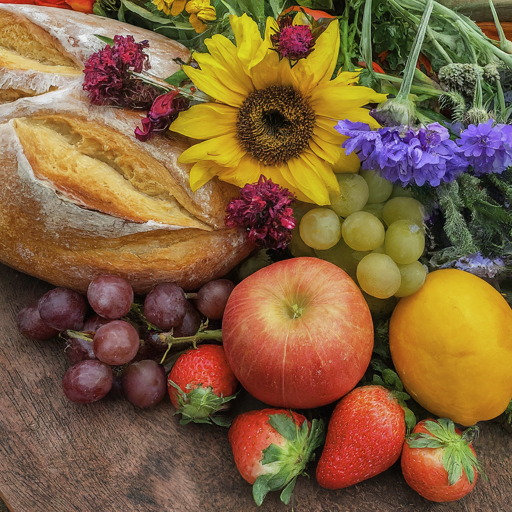
Correspondences for Lughnasadh include the colors gold, green, and yellow, as well as symbols of the harvest such as cornucopias, wheat sheaves, and sunflowers. The element associated with Lughnasadh is earth, representing the fertile soil that nourishes the crops. Offerings for the festival may include grains, fruits, and bread, as well as herbs such as lavender, rosemary, and sage.

Overall, Lughnasadh is a time to celebrate the fruits of our labor, both literally in terms of the harvest, and metaphorically in terms of our personal growth and achievements. It is a time to give thanks for the abundance of the Earth and to honor the cycle of life and death that sustains us all. Whether you celebrate with a traditional ritual, a feast with loved ones, or a quiet moment of reflection in nature, Lughnasadh is a reminder to be grateful for the blessings that surround us and to sow the seeds of our future intentions with care and intention.

May the spirit of Lughnasadh bless you with abundance, growth, and transformation as you navigate the changing seasons of life.