Posted on

Samhain 2023

Get ready to celebrate Samhain 2023 on October 31st, the ancient Celtic sabbat that marks the end of the harvest season and the beginning of winter. This mystical holiday, also known as Halloween, holds deep spiritual significance for many pagans and Wiccans around the world. As the veil between the physical and spiritual realms thins, Samhain is a time for honoring ancestors, communing with spirits, and embracing the transformative power of the season. In this article, we will explore the traditions associated with Samhain, from divination rituals to bonfire ceremonies. We will also delve into the correspondence of this enchanting sabbat, providing insights into colors, herbs, and crystals that can enhance your Samhain altar. Get ready to embrace the magic of Samhain 2023!

Celtic sabbat that marks the end of the harvest season and the beginning of winter. This mystical holiday, also known as Halloween, holds deep spiritual significance for many pagans and Wiccans around the world. As the veil between the physical and spiritual realms thins, Samhain is a time for honoring ancestors, communing with spirits, and embracing the transformative power of the season.

In this article, we will explore the traditions associated with Samhain, from divination rituals to bonfire ceremonies. Divination rituals are a common practice during Samhain, as it is believed that the veil between worlds is at its thinnest, making it easier to connect with the spiritual realm. Many people use methods such as tarot cards, scrying, or pendulum divination to gain insight into the future or communicate with loved ones who have passed on.

Another popular tradition during Samhain is the bonfire ceremony. Lighting a bonfire not only provides warmth during the chilly autumn nights but also symbolizes the release of negative energy and the invitation of positive energy for the coming year. It is a time for reflection, letting go of what no longer serves us, and setting intentions for the future.

Furthermore, we will delve into the correspondence of this enchanting sabbat, providing insights into colors, herbs, and crystals that can enhance your Samhain altar. The colors associated with Samhain are deep and rich, such as black, orange, and deep purple, representing the mysteries of the season. Herbs like sage, rosemary, and lavender can be used for cleansing rituals and protection, while crystals like obsidian, smoky quartz, and amethyst can amplify our connection to the spiritual realm and provide grounding energy.

So, get ready to embrace the magic of Samhain 2023! Whether you’re a seasoned practitioner or new to the celebration, this ancient Celtic sabbat offers a unique opportunity to connect with nature, honor our ancestors, and embrace the transformative power of the season. Let us dive deep into the traditions, rituals, and correspondences of Samhain and create a memorable and meaningful celebration.

Welcome to Samhain, the Celtic festival that marks the end of the harvest season and the beginning of the dark half of the year. As the veil between the worlds grows thin, the ancient Celts believed that spirits could freely roam the earth. This sacred time is celebrated on the night of October 31st and is a time of reflection, remembrance, and renewal.

Join us as we explore the significance of Samhain in 2023. From its historical roots to modern-day celebrations, we’ll delve into how this ancient festival has evolved over time. Discover the rituals and traditions practiced during this mystical time, such as lighting bonfires, carving pumpkins, and wearing costumes to ward off evil spirits.

Whether you’re a seasoned witch, a history enthusiast, or simply curious about the rich traditions surrounding Samhain, this article will provide you with valuable insights. Gain a deeper understanding of this enchanting celebration and embrace the magic of Samhain like never before.

Prepare to embark on a journey into the mystical world of Samhain 2023. Let the spirits guide you as we uncover the mysteries and traditions of this revered Celtic festival.


Samhain, pronounced “sow-in,” is a Gaelic festival that has its roots in ancient Celtic traditions. It is believed to have originated in Ireland, Scotland, and the Isle of Man. Samhain marks the transition from the lighter half of the year to the darker half, signaling the end of the harvest season and the beginning of winter. The word “Samhain” itself means “summer’s end” in Gaelic.

During Samhain, the Celts believed that the boundaries between the mortal world and the spirit world were blurred. This allowed spirits, both benevolent and malevolent, to freely roam the earth. The ancient Celts would light bonfires to ward off evil spirits and offer food and drink to honor their ancestors.


The origins of Samhain can be traced back thousands of years to the ancient Celts. They believed that on the night of October 31st, the veil between the worlds of the living and the dead was at its thinnest. This belief was deeply rooted in their agricultural practices and their connection to nature.

The Celts saw Samhain as a time of transition and reflection. It was a time to honor and remember their ancestors, seek guidance from the spiritual realm, and prepare for the challenges of the coming winter. The festival was also seen as a way to appease and protect against malevolent spirits.

Over time, Samhain became intertwined with other cultural traditions, such as the Roman festival of Feralia and the Christian observance of All Saints’ Day. These influences shaped the modern-day celebrations of Halloween and All Souls’ Day.


Samhain is rich in traditions and rituals that have been passed down through generations. These practices vary across different regions and cultures, but they all share a common thread of honoring the dead and embracing the energy of the season.

One of the most well-known Samhain traditions is the lighting of bonfires. These fires serve as a beacon for spirits and provide warmth and protection during the cold winter nights. People would gather around the fires, share stories, and offer prayers and offerings to their departed loved ones.

Another popular Samhain ritual is the carving of pumpkins. This tradition has its roots in the ancient practice of carving turnips or gourds to ward off evil spirits. Today, the pumpkin has become synonymous with Halloween, and people carve intricate designs, known as jack-o’-lanterns, to decorate their homes and create a spooky ambiance.

To ward off malevolent spirits, costumes and masks are worn during Samhain. This tradition originated from the belief that disguising oneself would confuse and deter wandering spirits. Today, dressing up in costumes has become a fun and creative way to celebrate Halloween.


Samhain is associated with a variety of symbols, each carrying its own significance and meaning. These symbols reflect the themes of death, rebirth, and the cyclical nature of life.

One of the most iconic symbols of Samhain is the jack-o’-lantern. This carved pumpkin with a candle or light inside represents the guiding light for lost souls and a ward against evil spirits. The face carved on the pumpkin is said to scare away malevolent beings.

Another important symbol is the cauldron, which represents the transformative and magical powers of the season. The cauldron is often associated with the goddess Cerridwen, who is linked to wisdom, inspiration, and rebirth.

The black cat is also a prevalent symbol during Samhain. While often associated with superstition and bad luck, the black cat is seen as a protective guardian during this time. It is believed to possess the ability to see and communicate with spirits.


Samhain is not only celebrated by the Celtic cultures that originated the festival but has also gained popularity worldwide. In many countries, people embrace the traditions and rituals associated with Samhain, albeit with their own unique twists.

In Ireland, where the festival has its roots, Samhain is still celebrated with great reverence. Bonfires are lit, and traditional Irish music and dance are performed. People also visit ancient burial sites and attend storytelling events to connect with their ancestors.

In the United States, Halloween has become the most widely recognized celebration associated with Samhain. Children dress up in costumes and go trick-or-treating, while adults attend costume parties and haunted attractions. Pumpkin patches and corn mazes are also popular attractions during this time.


You don’t have to attend a large-scale event or travel to a specific location to celebrate Samhain. You can create a meaningful and personal celebration right in the comfort of your own home. Here are some ideas to help you embrace the energy of Samhain:

Create an ancestor altar: Set up a dedicated space in your home where you can honor and connect with your ancestors. Place photographs, mementos, and candles on the altar, and spend time in quiet reflection and remembrance.

Light a bonfire or candles: If you have a backyard or access to a safe outdoor space, consider lighting a bonfire to honor the ancient tradition. If a bonfire is not possible, light candles throughout your home to create a warm and inviting atmosphere.

Carve pumpkins: Get creative and carve your own jack-o’-lanterns. Choose designs that hold personal meaning to you or reflect the themes of Samhain. Display them outside your home or on your altar.

Practice divination: Samhain is a powerful time for divination and connecting with the spiritual realm. Use tarot cards, runes, or other divination tools to seek guidance and gain insight into the coming year.


Getting crafty during Samhain can be a fun and engaging way to celebrate the season. Whether you’re looking to decorate your home or create meaningful gifts for loved ones, here are some Samhain-inspired craft ideas:

Wreaths: Make your own wreath using natural materials such as dried leaves, twigs, and herbs. Add symbols of Samhain, such as mini pumpkins or cauldrons, to personalize your creation.

Altar decorations: Enhance your ancestor altar or create a separate Samhain-themed altar using items like crystals, autumn leaves, dried flowers, and small figurines representing deities or spirits.

Candles and candle holders: Decorate plain candles with symbols of Samhain using paint or carving techniques. You can also create unique candle holders using clay or recycled materials.

Spirit lanterns: Transform glass jars into enchanting lanterns by painting or etching designs of spirits, ghosts, or other Samhain-related symbols. Place a tea light or LED candle inside for a magical glow.


Food plays a significant role in Samhain celebrations, with certain dishes and ingredients carrying special meaning. Here are some traditional and modern recipes to try during this mystical time:

Soul cakes: These small, sweet cakes were traditionally made as an offering to spirits and ancestors. Bake your own soul cakes using a recipe that incorporates spices like cinnamon, nutmeg, and allspice.

Apple dishes: Apples are associated with Samhain and are often used in various recipes. Try making caramel apples, apple pies, or apple cider to enjoy the flavors of the season.

Harvest stews: Create hearty stews using seasonal vegetables and herbs. Add ingredients like potatoes, carrots, onions, and mushrooms for a warming and nourishing meal.

Mulled wine or cider: Infuse your home with the aromas of autumn by simmering wine or cider with spices like cinnamon, cloves, and star anise. Serve warm to cozy up during Samhain gatherings.


Samhain is a time when the veil between the worlds is believed to be the thinnest, making it an ideal time for divination and spiritual practices. Here are some practices you can explore during this mystical season:

Tarot readings: Use tarot cards to gain insight into your life and connect with the energies of the season. Focus on questions related to introspection, transformation, and guidance from the spiritual realm.

Scrying: Scrying is the practice of gazing into a reflective surface, such as a crystal ball or a bowl of water, to receive messages or visions. Engage in scrying to tap into your intuition and connect with the spirit realm.

Meditation and reflection: Set aside time for quiet meditation and reflection. Create a serene space where you can sit comfortably and focus on your breath. Use this time to connect with your inner self and gain clarity.

Ancestor communication: During Samhain, many people seek to connect with their ancestors. Light a candle, speak their names aloud, and invite their presence into your space. Listen for any messages or signs they may offer.


Samhain is a time of deep reflection, remembrance, and renewal. It offers an opportunity to honor our ancestors, connect with the spirit world, and embrace the cyclical nature of life. Whether you choose to participate in ancient rituals, create your own traditions, or simply appreciate the beauty of the season, Samhain invites us to embrace the magic and mystery of this sacred time.

As we approach Samhain 2023, let us open our hearts and minds to the energies that surround us. May we find solace in the presence of our ancestors, seek guidance from the spirit realm, and celebrate the beauty of this transitional season. Embrace the energy of Samhain and allow it to guide you on your journey of self-discovery and spiritual growth.

Prepare to immerse yourself in the enchanting world of Samhain 2023. Let the ancient traditions, rituals, and symbols ignite your curiosity and inspire your own unique celebration. Samhain is a time to honor the past, embrace the present, and welcome the mysteries of the future.

An example of a Samhain altar
Samhain Altar~ Pintrest
Posted on

The Significance of the Moon ๐ŸŒ™ to Witchcraft

Black Cats Playing on Moon

The moon holds great significance in witchcraft and various magical traditions due to its profound influence on the natural world and its symbolism. Here are some key aspects of the moon’s significance in witchcraft~


๐ŸŒ™ Lunar Phases:

Witches pay close attention to the different phases of the moon, especially the New Moon, Waxing Moon, Full Moon, and Waning Moon. Each phase is associated with specific magical workings and intentions. For example, the New Moon is often a time for new beginnings and setting intentions, while the Full Moon is considered a powerful time for manifestation and clarity. Witches often align their magickal workings with these cycles, performing rituals and spells during specific moon phases to harness and amplify their intentions.


๐ŸŒ™ Energies & Correspondence:

Each lunar phase is believed to carry its own unique energy and correspondences. The moon’s energy is believed to influence the natural world and human emotions. These energies can be harnessed for spellwork, rituals, and divination. For instance, the Waxing Moon is associated with growth and manifestation, making it suitable for spells related to abundance or personal development. While the waning moon is suitable for banishing and releasing rituals.


๐ŸŒ™ Goddess Worship:

In some witchcraft traditions, particularly those inspired by Wicca, the moon is associated with the Triple Goddess, who embodies the Maiden, Mother, and Crone aspects. The phases of the moon are often correlated with these aspects, with the Maiden representing the New Moon, the Mother symbolizing the Full Moon, and the Crone representing the Waning Moon.


๐ŸŒ™ Divination:

The moon has been used for divination practices such as scrying (gazing into a reflective surface, like water or a mirror) during moonlit nights, or tarot readings. The moon’s energy is believed to enhance psychic abilities and intuition, making it a conducive time for divination to gain guidance and understanding.


๐ŸŒ™ Cycles of Nature:

The moon’s cycles mirror the cycles of nature, such as the changing seasons and tides. Witches often align their magical workings with these natural rhythms to enhance their connection to the Earth and its energies.


๐ŸŒ™ Feminine Energy:

The moon is often associated with divine feminine energy, intuition, and receptivity. Many witches draw upon these qualities when working with lunar magic.


๐ŸŒ™ Protection and Banishing:

Some witches use the energy of the Full Moon for protective spells or to banish negative energies. It’s believed that the Full Moon’s light can reveal hidden truths and dispel darkness.


๐ŸŒ™ Ritual Timing:

The moon’s position in the zodiac is also considered when planning magical rituals and spellwork. Different signs are associated with different elemental energies and correspondences.


In summary, the moon is a powerful and versatile symbol in witchcraft, representing cycles, intuition, magic, and the interconnectedness of nature. Witches often incorporate lunar symbolism and timing into their practices to enhance the effectiveness of their spells and rituals.

Triple Goddess Moon
Posted on

Chakra Guide

This guide provides a comprehensive summary of the chakras, which are the energy centers in the body according to ancient Indian philosophy. There are seven main chakras located along the spine, in our astral body, from the base to the crown of the head, each associated with different physical, emotional, and spiritual aspects of life.

“The seven chakras are vortexes of energy that represent our seven levels of consciousness,” explains author, yoga teacher, and certified holistic practitioner Thimela Garcia. “Through these seven chakras, we move from the lower self, or an unconscious state, to the higher self, or conscious state.”

By Thimela Garcia

The chakras radiate a specific colour and energy. Each one coincides with a gland in the physical body. Since each chakra relates to specific spiritual, emotional, psychological, and physical aspects of our being, it is believed that their blockage or malfunction can lead to physical, psychological, and emotional disorders. The conscious awareness and balancing of these energy centers, on the other hand, is believed to lead to well-being and good health.

Mostly, we hear about the โ€˜seven chakrasโ€™ but, there is an infinite number of chakras in the human body. A specific vibration, color, symbol, and sound are associated with all 7 chakras. Depending on whether these energy centers are healthy or blocked, you may experience different attributes of your physical, mental, and emotional health.

A Chakra map.

The 7 Chakras

Root Chakra or the Muladhara Chakra

We will start with the strongest chakra, the Root Chakra, or the Muladhara Chakra, which is located at the base of the spine, between the anus and the genitals, and is the basis of existence and is associated with stability, security, fear, ambition, feelings of groundedness, and connection to the earth. Keep this chakra balanced for overall well-being. Practice grounding exercises, connecting with nature, and practicing mindfulness to achieve this. However, when the Root Chakra is balanced, these are replaced by more positive emotions, and you feel stable, confident, balanced, energetic, independent, and strong. 

Symbol; The Root Chakra symbol consists of a 4-petalled lotus flower, a square, and a downward-facing triangle. Each element is said to represent the 4 aspects of the human mind, uniting to form the birth of the human consciousness. 

Color: Red

Element: Earth 

Deity;ย Lord Ganesha. One worships and asks for his help to activate this chakra.

Gemstones: Any red or red/brown colored stones (e.g. ruby, garnet, hematite, black onyx, smoky quartz, and red jasper)

Essential Oils: Sandalwood, labdanum, olibanum, copal, styrax, white ceremonial sage, frankincense, myrrh

Herbs: Burdock, clove, dandelion, rosemary, paprika, cayenne, allspice, nutmeg


Sacral Chakra or the Svadhishthana Chakra

Moving up, the Sacral Chakra, or the Svadhishthana Chakra, is located in the lower abdomen, about four fingers below the navel, and is connected to creativity, pleasure, emotions, self-worth, and sexuality. It is important for this energy center to maintain emotional balance with activities like dancing, painting, or engaging in hobbies to stimulate this chakra. When balanced, it makes one feel more vibrant, happy, positive, satisfied, compassionate, and intuitive.  

Symbol: The symbol for the Svadhishthana Chakra or Sacral Chakra is made up of multiple circles, a crescent moon, and six lotus flower petals. The circles and crescent moon represent the cyclical nature of life, death, and rebirth, while the 6 petals portray the 6 negative aspects of our nature that we need to overcome to open this chakra. 

Color: Orange

Element: Water

Deity;ย Lord Varun, the God of water (for women it is also associated with the Goddess Saraswatiย connected with the womb area)

Gemstones: Any orange-colored stones (e.g. carnelian, orange sapphire, imperial topaz, Tiger’s Eye, and goldstone)

Essential Oils: Vetiver, black pepper, rosemary, cedarwood, angelica, clove

Herbs: Coriander, calendula, fennel, licorice, cinnamon, vanilla


Solar Plexus Chakra or the Manipura Chakra

Next in line, the Solar Plexus Chakra, or the Manipura Chakra, is located in the upper abdomen, between the navel and the bottom of the rib cage, and is associated with personal power, self-esteem, and confidence, perfectionism, and digestive health. A balanced Solar Plexus Chakra promotes a healthy self-image and assertiveness. Practices like tapping into personal strengths, setting boundaries, and practicing self-care nurture this chakra. By balancing this chakra, we feel more energetic, confident, productive, and focused. 

Symbol: The Solar Plexus Chakra symbol consists of a downward-pointing triangle within a ten-petalled lotus flower. The ten petals symbolize ten negative character traits that we have to conquer, while the triangle is the Agni tattva or fire of kundalini energy which signifies our inner strength. 

Color: Yellow

Element: Fire 

Deity;ย Lord Shiva (rudra)

Gemstones: Any yellow-colored stones (e.g. citrine, yellow pyrite, red creek jasper, sapphire, and amber)

Essential Oils: Lily of the Valley, lemon, helichrysum, juniper, grapefruit, neroli, tea tree

Herbs: Anise, celery, cinnamon, lily of the valley, marshmallow, mint, melissa, turmeric, cumin


Heart Chakra or the Anahata Chakra

Further up, the Heart Chakra, or the Anahata Chakra, situated in the center of the chest, governs love, compassion, and relationships. It is important to keep this chakra open and balanced to experience unconditional love, and trust, and encourage healthy relationships. Rituals like practicing forgiveness, and self-compassion, and engaging in activities that evoke love and joy will help keep this chakra open. By harmonizing this energy center, a person begins to feel more compassionate, caring, optimistic, friendly, and motivated. 

Symbol: In the Heart Chakra symbol, two triangles intersect to form a yantra which represents the balance of yin and yang, or upward and downward forces. Outside, there is a lotus flower with 12 petals symbolizing the twelve divine qualities associated with the heart. 

Color: Green

Element: Air 

Deity;ย Lord Krishna, an avatar of Lord Vishnu, the God of. Balance.

Gemstones: Any green or light pink colored stones (e.g. jade, rose quartz, emerald, and green aventurine)

Essential Oils: Rose, jasmine, cacao, cardamom, palmarosa, bergamot, black spruce

Herbs: Cayenne, hawthorn berries, jasmine, lavender, marjoram, rose, thyme, cilantro, parsley


Throat Chakra or the Vishuddha Chakra

Moving up to the Throat Chakra, or the Vishuddha Chakra, located in the neck region, coincides with the thyroid gland, and is associated with communication, self-expression, and authenticity. It is important to maintain a clear and honest expression of thoughts and emotions for a balanced Throat Chakra. Rituals like journaling, singing, or speaking affirmations to enhance communication and expressiveness will make this chakra happy. When this chakra is balanced, it enables creativity, positive self-expression, constructive communication, and a sense of satisfaction. 

Symbol: The symbol of the Throat Chakra consists of a 16-petalled lotus flower surrounding an inverted triangle which holds a circle within. This represents spiritual growth and the purification of the body, mind, and spirit.

Color: Blue

Element: Space 

Deity;ย Goddess Saraswati, the Goddess of knowledge and illumination.

Gemstones: Any bright or light blue colored stones (e.g. turquoise, aquamarine, blue topaz, and sodalite)

Essential Oils: Petitgrain, blue chamomile, bay laurel, blue yarrow, Peru balsam, fir balsam

Herbs: Coltsfoot, blackberry, elderberry, common sage, salt, lemongrass, bay laurel, chamomile, eucalyptus, geranium


Third Eye Chakra or the Ajna Chakra

Continuing to the Third Eye Chakra, or the Ajna Chakra, situated between the eyebrows, is connected to concentration, intuition, insight, and spiritual awareness. A balanced Third Eye Chakra assists in developing psychic abilities, inner wisdom, and a deeper understanding of oneself and the world. Practices like meditation, visualization, and working with symbols will enhance this chakra. It is said that meditating upon this chakra destroys the karma of past lives and brings liberation and intuitive knowledge. When this chakra is active and balanced, a person feels more vibrant and confident, both spiritually and emotionally. In the absence of the fear of death, one becomes his own master and remains free of all attachment to material things. 

Symbol: The Third Eye Chakra symbol consists of an inverted triangle resting in a circle between two lotus petals. The two petals and the downward-facing pyramid both signify wisdom, emphasizing the Third Eye Chakraโ€™s role in our journey to spiritual awareness. 

Color: Indigo

Element: None 

Deity;ย Lord Shiva

Gemstones: Any dark blue or indigo-colored stones (e.g. amethyst, fluorite, lapis lazuli, sapphire, or tanzanite)

Essential Oils: Mugwort, blue lotus, juniper, cypress, yarrow, opoponax

Herbs: Eyebright, juniper, mugwort, poppy, mandrake root, blue lotus, cypress


Crown Chakra or the Sahastrara Chakra

Lastly, the Crown Chakra, or the Sahastrara Chakra, located at the crown of the head, is associated with spirituality, connection to higher consciousness, and inner peace. Crown Chakra is a connection to supreme power and it is long-lasting happiness and freedom which is achieved by only some great gurus on earth. It is important to integrate spiritual practices, such as meditation, prayer, or contemplation into our lives to activate and balance the Crown Chakra. A balanced Crown Chakra promotes spiritual understanding, inner peace, and a clear perspective on the world.

Symbol: The Crown Chakra symbol is depicted as a ring of a thousand lotus petals surrounding an inverted triangle. This symbolizes the rising of divine energy into the Crown Chakra, bringing spiritual liberation and enlightenment. 

Color: Violet White

Element:ย Noneย 

Shiva; the deity of the crown chakra

Gemstones: Any purple or clear colored stones (e.g. amethyst, quartz, moonstone, and diamond)

Essential Oils: Gotu kola, lavender, pink lotus, palo santo, spikenard, frangipani

Herbs: Gotu kola, lavender, pink lotus, St. Johnโ€™s wort


In conclusion, the guide provides an overview of the seven chakras, emphasizing the significance of maintaining balance in these energy centers for overall physical, emotional, and spiritual well-being. It suggests various practices and techniques to align and harmonize each chakra, enabling individuals to lead a more fulfilled and harmonious life. By learning about the functions and symbols of each chakra, we can identify imbalances or blocks and work to restore balance and harmony within our bodies and minds. Restoring imbalances in the flow of energy can clear emotional disturbances and strengthen your physical body, helping you to operate at your optimal level of physical, emotional, and spiritual well-being.

Chakra Crystal chart
  1. Muladhara = I am
  2. Swadhisthana = I feel
  3. Manipura = I do
  4. Anahata = I love
  5. Vishuddha = I speak
  6. Ajna = I see or I know
  7. Sahasrara = I understand

The seven Chakras and their meanings

The Ultimate Chakra guide image

Posted on

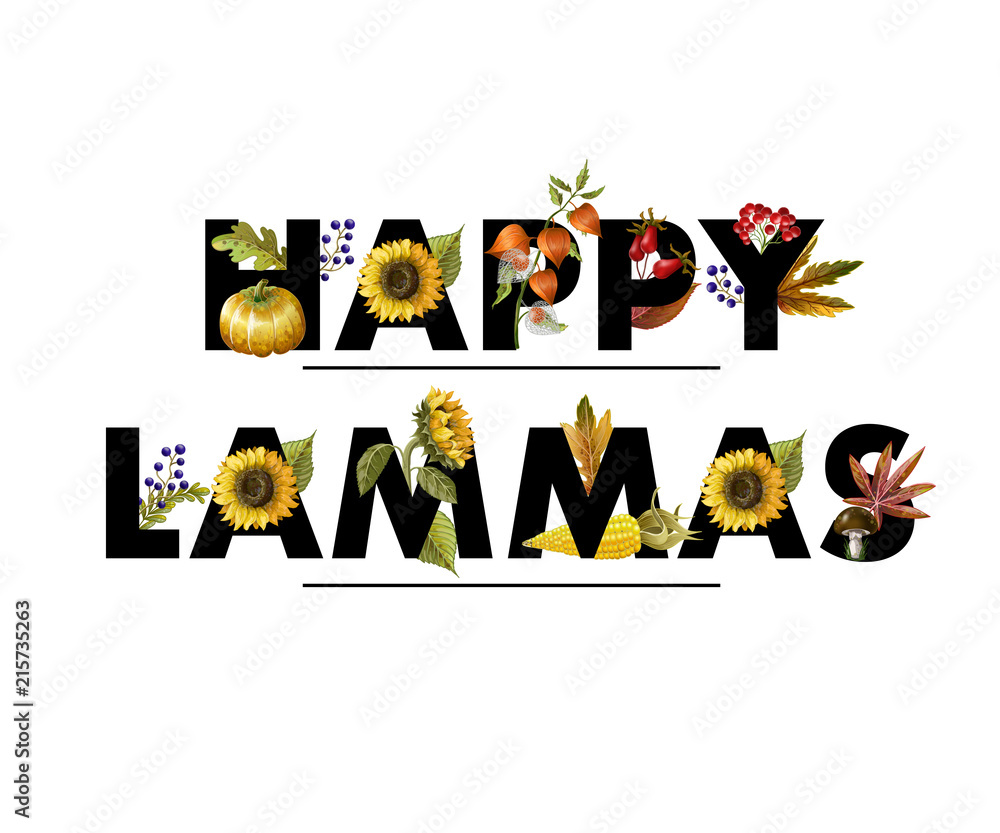
Lammas

Lammas is a traditional Celtic festival that marks the beginning of the harvest season. Celebrated on August 1st or the first weekend in August, it holds great significance for agricultural communities and those who follow pagan or Wiccan traditions.

Lammas is also known as Lughnasadh (pronounced Loo-NAS-ah). In some Wiccan and Pagan traditions, Lammas is also a day honoring Lugh, the Celtic god of craftsmanship, grain, the Sun, and late summer storms.

Like all Celtic or Pagan holidays, Lammas also honors goddesses whose associations, strengths, and myths align with the work weโ€™re doing at this time of year. Ceres, the harvest goddess, known as Demeter by the Greeks, and Tailtiu, mother of Lugh, are significant forces of agricultural abundance. We receive their blessings in the bounty of food that feeds us the rest of the year.

During Lammas, people gather to give thanks for the abundance of the harvest and to honor the god Lugh, who is associated with skills, craftsmanship, and abundance. It is a time to appreciate the fruits of our labor and reflect on the cycles of nature.

Regarding correspondence, Lammas is often associated with grains such as wheat, corn, and barley. These crops symbolize fertility and sustenance. Other correspondences include colors like gold and yellow to represent ripening crops and symbols of sunflowers or cornucopias to signify abundance.

When setting up an altar for Lammas, you can incorporate these correspondences by placing items such as freshly harvested grains or bread made from them. Sunflowers or golden-hued candles can add visual appeal while representing prosperity. Additionally, you may wish to include seasonal fruits or vegetables that are abundant during this time.

Overall, Lammas is a festival that encourages gratitude for nature’s bountiful gifts and serves as a reminder of our connection to the cycles of life.

Six Ways to Honor Lammas:

  • Create a Lammas Altar
  • Create a Harvest Jar
  • Bake Bread
  • Light Candles (Orange and Yellow)
  • Work with Crystals pertaining to the Sun’s energy (Carnelian, Citrine, Golden Healer Quartz, and Yellow Fluorite)
  • Charge your Witchcraft Tools in the late summer sunshine to absorb the Sun’s vitality
Posted on

Litha


A picture of the Sun smiling.

Litha, also known as Midsummer or the Summer Solstice, is a Pagan holiday that marks the longest day of the year. Astronomically, the summer solstice (June 21, 2023) will happen when the sun reaches its highest point in the sky.ย It is celebrated on June 21st every year and is one of the eight Sabbats.

This holiday celebrates the light and dark within us as we strive to find our inner strength. Traditionally, bonfires are lit to honor this day and pay tribute to the Oak King and Holly King in a battle of light and dark. Fire rituals are also performed to bring good luck for the upcoming season. Early European traditions celebrated midsummer by setting large wheels on fire and then rolling them down a hill into a body of water. Celebrations can also include altar ideas such as flowers, incense, candles, fruits, herbs, stones, and crystals that correspond with specific spells and rituals. On this day we celebrate life itself with joyous festivities!

Litha is a time to celebrate the longest day of the year and the abundance of nature. It is one of the eight sabbats in the Wheel of the Year, and it marks the transition from the waxing to the waning phase of the Sun. Fire is a symbol of this sabbat, as it represents the power and warmth of the Sun-God, who is at his peak on this day. Many Wiccans light bonfires or candles to honor him and to ask for his blessings of protection, fertility, and prosperity. There are also other deities that are associated with Litha, such as goddesses of love, beauty, and fertility, or gods of agriculture, harvest, and growth. Some examples are Aphrodite, Freya, Lugh, and Cernunnos. Litha is a joyous occasion to celebrate life, light, and abundance with gratitude and generosity.

If you are interested in the origins of Pagan names and festivals, you might have wondered what “Litha” means. Litha is one of the names for the summer solstice, the longest day of the year and a time of celebration for many cultures. But where does this name come from and what does it signify?

According to a medieval scholar named Bede, who wrote a book called “The Reckoning of Time”, Litha is an Anglo-Saxon word that means “gentle” or “navigable”. He explained that this was because the winds were calm, and the seas were smooth during this season. Bede also recorded the names of other months based on the Pagan customs of his time, such as Eostre (April), Thrimilchi (May), and Halegmonath (September).

Litha is not the only name for the summer solstice, though. Other traditions call it Midsummer, Alban Hefin, St. John’s Day, or simply the First Day of Summer. Whatever you call it, it is a time to honor the sun, the fire, and the abundance of nature. It is also a time to celebrate life, joy, and creativity. You can celebrate Litha by lighting a bonfire, making flower crowns, dancing, singing, or doing any activity that makes you happy and grateful.


Litha Correspondence

Colors: White, Red, Yellow, Orange, Gold, Green.


Energies: Power, Creativity, Inspiration, Love, Divination, God energy, Healing, Fertilization.


Oils/Incenses: Cinnamon, Heliotrope, Lemon, Musk, Orange, Rose, Saffron, Sandalwood, Wisteria, Vervain.

Plants and Herbs: Lavender, Chamomile, Roses, Daisies, Lily, Elder, Fennel, Sunflower, St. Johnโ€™s Wort, Verbena.


Gemstones: Amber, Jade, Tigerโ€™s eye, Jasper, Peridot, Aventurine, Ruby, Emerald.


Symbols: Sun wheel, Sun, Fire, Bonfires, Roses, Daisies, All rayed flowers, Torches, Fairies.


Foods: Ale, Bread, Cheese, Edible Flowers, Fresh fruits and vegetables, Lemons, Mead & Wine, Milk, Oranges, Pumpernickel bread, Oatmeal cake.

Drinks: Sunflower Tea. Fresh Juice from Seasonal Fruits, Water, Beer, and White Wine.