Posted on

Ostara 2024

Ostara is the celebration of the Spring Equinox and is a time of renewal and rebirth. In 2024, Ostara will occur on March 19th (for the Northern Hemisphere and September 19th for the Southern Hemisphere), marking the day when day and night are of equal length, symbolizing balance and harmony in the natural world123.

As the snow melts and the first green shoots emerge, Ostara invites us to embrace the new life that surrounds us. It’s a time to plant seeds, both literally in our gardens and metaphorically in our lives, setting intentions for the growth we wish to see in the coming months.

  • Spring Cleaning: Clear out the old to make way for the new. This can be a physical cleaning of your living space or a digital decluttering of your devices.
  • Garden Blessings: Plant seeds for a future harvest. Whether it’s flowers or vegetables, gardening connects us to the earth and the cycle of life.
  • Altar Decoration: Create an altar with symbols of spring such as eggs, rabbits, and spring flowers to honor the season and the goddess Eostre, from whom Ostara gets its name1.
  • Foods: Celebrate with foods that represent the season like eggs, honey, sprouted greens, and baked goods. These foods are not only delicious but also symbolize fertility and new beginnings1.
  • Colors: Decorate with the colors of springโ€”green, pink, and blue. These colors reflect the fresh growth, warm sunlight, and clear skies that the season brings1.
  • Tea Parties: Host a gathering with a spring theme. Share food, stories, and laughter with friends and family.
  • Nature Walks: Take a walk in nature and observe the signs of spring. Witnessing the earth’s awakening can be a powerful reminder of the cycles of growth and renewal.
  • Meditation and Journaling: Reflect on your personal goals and aspirations. What do you want to cultivate in your life? Use this time to focus on your intentions.

Hereโ€™s a list of correspondences for Ostara, which can be used to enhance your celebration and rituals:

  • Butterflies
  • Chicks
  • Dragons
  • Lambs
  • Mermaids & Mermen
  • Rabbits/Hares
  • Robins
  • Pegasus
  • Serpents
  • Unicorns
  • Green
  • Pastel colors
  • White
  • Yellow
  • Amethyst
  • Aquamarine
  • Jasper
  • Moonstone
  • Rose quartz
  • Cheese
  • Chocolate
  • Cream
  • Custards
  • Dandelion Greens
  • Edible Flowers
  • Eggs
  • Egg Salad
  • Hard Boiled Eggs
  • Fish
  • Honey Cakes
  • Hot Cross Buns
  • Ice Cream
  • Jelly beans/eggs
  • Lassi
  • Maple Syrup & Sugar Candies
  • Milk
  • Milk punch
  • Nettle Tea
  • Olives
  • Pine Nuts
  • Pumpkin Seeds
  • Salads
  • Seasonal, local fruits and vegetables
  • Sprouts
  • Sunflower Seeds
  • Yogurt
  • Aphrodite
  • Astarte
  • Athena
  • Aurora
  • Eos
  • Eostre
  • Gaia
  • Hera
  • Ishtar
  • Kore (maiden form)
  • Maiden Goddesses
  • The Muses
  • Persephone (maiden form)
  • Venus
  • Adonis
  • Ares
  • Cernunnos
  • Green Man
  • Mars
  • Narcissus
  • Odin
  • Osiris
  • Pan
  • Thoth
  • Any budding or sprouting plants
  • Ash
  • Alder
  • Birch
  • Cinquefoil
  • Daffodil
  • Dogwood
  • Four-leaf clover
  • Honeysuckle
  • Iris
  • Narcissus
  • Olive
  • Peony
  • Primrose
  • Tulips
  • Violet
  • Incense
  • African Violet
  • Jasmine
  • Rose
  • Sage
  • Strawberry
  • Ginger
  • Lavender
  • Lotus
  • Rose
  • Balance
  • Celebration of Life & Universal Love
  • Fertility
  • Growth
  • Increasing Power
  • Long-term manifestation
  • Marriage
  • New Growth
  • Opening up
  • Rebirth
  • Renewal
  • Sexuality
  • Womenโ€™s Health
  • Acknowledgement of natural cycles
  • Acknowledgement of feminine cycles
  • Beginning of Spring
  • Eggs as fertility
  • New growth where nothing once grew
  • The power behind the union of balance
  • The power behind physically energizing your goals
  • This list can help you create the vibrations and vibe of Ostara in your sacred space. Enjoy your celebrations

Ostara 2024 is an opportunity to celebrate the balance of light and dark, to welcome the warmth of the sun, and to prepare for the abundance of summer. It’s a time to come together, to share in the joy of the earth’s renewal, and to plant the seeds for a fruitful future.

Embrace the spirit of Ostara, and may your celebrations be filled with joy, growth, and harmony.


For those interested in learning more about Ostara and how to celebrate it, consider exploring resources such as the free Ostara E-Course offered by Mabon House1, or the comprehensive holiday calendars available for Wiccans and Pagans2. These can provide valuable insights and ideas for making the most of this vibrant and meaningful time of year.


The Witch's Online Resource


**Ivy Jaded WyldFyre**, based in **Manitowoc, WI**, is a multi-talented individual with a fascinating blend of interests and skills. Let us explore her diverse background:

**Author and Writer**:

   Ivy is a writer who weaves words into captivating stories, poems, and other literary works. Her creativity knows no bounds, and her writing reflects her deep connection to mystics and magicals.

   – As an author, she explores themes related to spirituality, witchcraft, and esoterics. Her words resonate with those that seek wisdom and inspiration.

**Tarot Reader**:

   – Ivy delves into the ancient art of tarot reading. Through the symbolism of tarot cards, she provides insights, guidance, and intuitive interpretations for those who seek clarity.

   – Her tarot readings are like opening a door to hidden realms, where each card reveals a piece of cosmic puzzle.

**Website Designer**:

   – Ivy’s skills extend beyond written words. She is a website designer crafting digital spaces that reflect her unique aesthetics and purpose.

   – Whether it is a personal blog, an online store, or a platform for spiritual exploration, Ivy brings her artistic flair into every web design project.

**Pagan Essentials**:

   Ivy is associated with **Pagan Essentials**, a platform that invites seekers to discover the secrets of magick and nature.

   – Pagan Essentials offers an extensive range of resources, including information on lunar phases, gemstone properties, candle colors, herb characteristics, essential oils, and moreโต.

   – It is a haven for those drawn to earth-based spirituality and the mystical arts.

**Numerology**:

   Ivy’s connection to numerology is fascinating. She resonates with the **Master Number 11** in numerology.

   – Master Numbers hold immense power and meaning. The number 11 represents intuition, spiritual awakening, and enlightenment.

   As an #11, Ivy embodies these qualities, channeling them into her creative endeavors.

**Year of the Dragon**:

   – Born in the year of the Dragon, Ivy carries the fiery energy associated with this mythical creature.

   – Dragons symbolize strength, transformation, and wisdom. Ivy’s journey aligns with the dragon’s spirit: bold, fierce, and ever evolving.

In summary, Ivy Jaded WyldFyre is a modern-day enchantress: a writer, tarot reader, web designer, and keeper of ancient wisdom. Her path is illuminated by flames of creativity, and she invites others to join her in exploring the mystical tapestry of existence. ๐ŸŒŸ๐Ÿ”ฎ๐Ÿ‰


1. How to Celebrate Ostara in 2024 โ€” Mabon House

2. 2024 Wiccan & Pagan Holiday Calendar โ€“ Spells8

3. Celebrating Ostara in 2024

4. FESTIVAL OSTARA 2024 Portland Line-up, Tickets & Dates Mar 2024 – Songkick


Posted on

Imbolc 2024

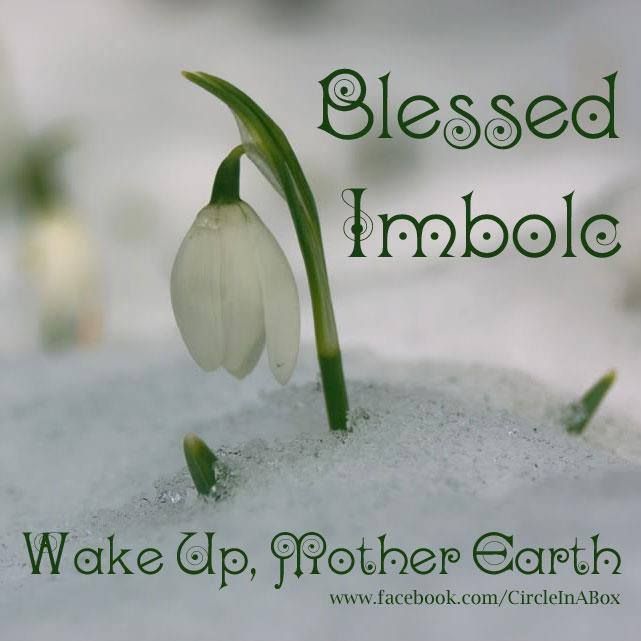
Welcome to my blog, where I explore the enchanting and meaningful world of Imbolc. Imbolc, a sacred Pagan holiday celebrated on February 1st or 2nd, marks the halfway point between the winter solstice and the spring equinox. It is a time of transition when we bid farewell to winter’s embrace and eagerly anticipate the arrival of spring.

In this blog post, we will delve into the significance of Imbolc and its rich history within Pagan traditions. We will uncover the rituals and correspondences associated with this special occasion, offering you insights into how to honor and celebrate Imbolc in your own unique way.

Whether you are a seasoned practitioner or new to Paganism, this blog aims to provide inspiration and ideas for creating a meaningful Imbolc celebration. From crafting rituals that honor Brigid, the goddess of fire and inspiration, to exploring correspondences such as candles, snowdrops, and lambs, we will guide you through various aspects of this magical holiday.

Join us on this journey as we delve into the beauty and depth of Imbolc. Discover new ways to connect with nature’s rhythms, tap into your own intuition, and infuse your celebrations with intention. Let us ignite your imagination with creative ideas that will make your Imbolc celebration truly special.

So grab a cup of herbal tea or hot cocoa as we embark on an exploration of Imbolc’s traditions together. Let us inspire you to embrace this season of rebirth and renewal with open hearts and minds.

Imbolc, also known as “Brigid’s Day,” is deeply rooted in Celtic traditions and has been observed for centuries by various cultures. The origins of Imbolc can be traced back to pre-Christian times when it was celebrated as a Gaelic festival in Ireland, Scotland, and the Isle of Man. It is named after the Celtic goddess Brigid (or Bride), who symbolizes fertility, healing, poetry, and fire. Imbolc signifies the awakening of nature from its winter slumber and the anticipation of spring’s arrival.

During Imbolc, Pagans would engage in sacred rituals to honor Brigid and seek her blessings for their crops and livestock. These rituals often involved lighting bonfires to symbolize purification and renewal. It was believed that these fires had protective powers against evil spirits and brought warmth to homes during this transitional period.

In addition to its agricultural significance, Imbolc holds deep spiritual meaning for modern-day Witches and practitioners of Earth-based religions. Many continue to celebrate this festival by performing rituals that pay homage to Brigid’s attributes while embracing their own personal connections with nature.

As we explore the history and origins of Imbolc, we gain insight into how ancient cultures honored seasonal transitions through ritualistic practices. Today, this vibrant celebration continues to thrive as a reminder of our connection with nature’s cycles and our collective desire for renewal as we eagerly await the arrival of spring.

Imbolc is a time of hope, renewal, and the first signs of spring. It is a perfect occasion to gather with loved ones and celebrate the changing seasons. Here are some ideas to make your Imbolc celebration memorable.

Light a Candle

Candles play a significant role in Imbolc celebrations as they symbolize the return of light and warmth. Light a candle on your altar or create a sacred space adorned with candles. As you light each candle, visualize the darkness of winter giving way to the growing light of spring. You can also use colored candles that represent the energy you wish to invite into your life. For example, white candles for purity and new beginnings, or green candles for growth and healing.

Make a Brigid’s Cross

Brigid, the Celtic goddess of fire, poetry, and healing, is closely associated with Imbolc. Making a Brigid’s Cross is a traditional craft activity during this time. Gather dried rushes or straw and create a cross-like shape by weaving them together. Hang the Brigid’s Cross near your front door or in your sacred space as a symbol of protection and blessings for the year ahead.

Prepare a Feast

Feasting is an integral part of Imbolc celebrations. Prepare a meal using seasonal ingredients such as root vegetables, grains, and dairy products. Traditional dishes include colcannon, a potato and cabbage dish, or bannocks, a type of oatcake. As you cook, infuse your food with intentions of abundance, nourishment, and the warmth of the returning sun. Invite your loved ones to join you in sharing a delicious feast and the joy of the season.

Rituals are a powerful way to connect with the energy of Imbolc and honor the changing seasons. Here are some ritual ideas to enhance your Imbolc experience.

Cleansing and Purification

Imbolc is a time of purification, both physically and spiritually. Take a ritual bath with herbs such as lavender or rosemary to cleanse your body and release any stagnant energies. You can also smudge your home with sage or palo santo to clear away old energies and invite fresh beginnings. As you cleanse, visualize yourself releasing the heaviness of winter and welcoming the light of spring.

Planting Seeds of Intentions

Imbolc is a perfect time to set intentions for the year ahead. Create a ritual space with soil, seeds, and small pots. Take a moment to reflect on what you wish to manifest in your life. Write your intentions on small pieces of paper and bury them in the soil, planting seeds above them. As you nurture the seeds, visualize your intentions growing and blossoming along with the coming spring.

Honoring Brigid

Pay homage to the goddess Brigid during your Imbolc ritual. Create a sacred altar dedicated to her with symbols of fire, poetry, and healing. You can include candles, poetry books, healing crystals, and images or statues of Brigid. Light a candle in her honor and recite prayers or poems that resonate with her energy. Invite her presence into your ritual space and ask for her blessings and guidance.

Imbolc is associated with specific colors, symbols, and correspondences that enhance its energy. Here are some correspondences to incorporate into your Imbolc celebrations.

  • Colors: White, green, and yellow symbolize purity, growth, and the returning light. Incorporate these colors into your decorations, altar, and clothing.
  • Crystals: Amethyst, clear quartz, and garnet resonate with the energy of Imbolc. Place these crystals on your altar or carry them with you during rituals.
  • Herbs: Chamomile, lavender, and rosemary are herbs associated with healing, purification, and new beginnings. Use them in your ritual baths, smudging, or as offerings to Brigid.
  • Symbols: Brigid’s Cross, candles, snowdrops, and lambs are symbols of Imbolc. Include these symbols in your decorations or crafts to amplify the essence of the season.

In conclusion, Imbolc 2024 is a time to celebrate the returning light, renew our intentions, and honor the goddess Brigid. Whether you choose to light candles, create a feast, or perform rituals, let the energy of Imbolc inspire you to embrace the changing seasons and welcome the warmth of spring.

CTA: Embrace the magic of Imbolc and create your own unique celebration to honor the turning of the seasons. May this festival bring you renewed hope, inspiration, and blessings for the year ahead.

Wheel of the Year
Blessed be!
Posted on

Yule (Dec. 21st~31st 2023)

For those yearning to cement their ties to Yule and its relevance to witchcraft, understanding its rituals and correspondence is crucial. From adorning an altar with emblems such as evergreen branches and candles that symbolize the returning sun to enacting sanctified customs that laud nature’s cycles, a myriad of ways exist to exult this enchanted period.

Incorporating Yule correspondences, such as mistletoe for protection or holly for luck, can embellish your rituals or spell work during this season. Delving into conventional Yule ceremonies, such as kindling a Yule log or fashioning a wreath, can also impart a profound and meaningful significance to your celebrations.

Be it that you are a novice in witchcraft or an adept practitioner, embracing the energy of Yule confers an opportunity for soul-searching, acknowledgment of blessings, and renewal. By integrating these festive concepts into your practice, you can establish a poignant bond with this age-old Sabbat that honors both nature’s pattern and your own spiritual odyssey.


There is no definitive set of intentions for witches to set during Yule celebrations, as everyoneโ€™s path and goals may differ. However, Yule is generally considered a time for reflection and renewal, and witches may use this opportunity to set intentions that align with the energy and symbolism of the season. Some common intentions that witches might set during Yule include:

2. Honoring the cycles of nature: Yule is a time to reflect on the ebbs and flows of the natural world and set intentions that support and align with the changing seasons.

3. Setting intentions for prosperity and abundance: Yule is also associated with the return of the sun, so it can be a powerful time to focus on attracting abundance, success, and good fortune into one’s life.

4. Expressing gratitude and appreciation: Yule is a season of giving and generosity, so many witches use this time to reflect on all they have to be thankful for and set intentions around sharing their blessings with others.

Ultimately, the intentions that witches set during Yule will depend on their personal beliefs, values, and goals. However, by setting intentions that align with the energy and symbolism of the season, witches can tap into the power of Yule and manifest positive change in their lives.


One can deepen their connection with Yule in witchcraft by comprehending its rituals and correspondences. This includes decorating an altar with symbols like evergreen branches and candles representing the returning sun, using Yule correspondences for rituals and spells, and performing sacred rituals that honor nature’s cycles. Traditional Yule practices like lighting a Yule log or creating a wreath can also add depth and meaning to celebrations. By incorporating these celebration ideas and embracing the energy of Yule, one can create a meaningful connection with this ancient Sabbat and honor both nature’s cycles and their own spiritual journey.

Some Yule correspondences for rituals and spells include evergreen boughs or branches, cinnamon sticks, pinecones, cloves, oranges, and nutmeg. Mistletoe is also a popular Yule correspondence for its protective properties, as well as holly for its luck-bringing qualities. In addition, colors such as red, green, and gold are representative of Yule and can be used in rituals and spells. These correspondences can be incorporated into altar decorations, spells, and rituals to amplify the intention and energy behind them during the Yule season.

The colors that are representative of Yule and can be utilized in spells and rituals include red, green, and gold. Red reflects the energy of passion, love, and warmth, while green represents nature, renewal, and prosperity. Gold symbolizes the returning sun and the promise of abundance and success. These colors can be used in altar decorations, candle magic, and ritual dress during the Yule season to amplify the energy and intention behind spells and rituals.


1. Lighting a Yule log: This traditional ritual involves lighting a log and letting it burn throughout the night to symbolize the light and warmth returning to the world.

2. Creating a Yule wreath: Making a wreath from evergreen boughs, holly, and other Yule correspondences can be a lovely way to celebrate the season and bring the energy of nature and renewal into your home.

3. Holding a Yule feast: Gather with friends and family to share a meal, celebrate the season, and set intentions for the coming year.

4. Setting up a Yule altar: Decorate your altar with symbols of the season, such as candles, evergreen branches, and Yule correspondences, and spend time in meditation or prayer to connect with the spirit of the season.

5. Honoring the elements: Spend time in nature, make an offering to the earth, or simply reflect on the cycles of nature and the changing of the seasons.

These rituals and others can be a wonderful way to deepen your connection with the energy of Yule and celebrate the turning of the year.


1. Hosting a Yule gathering or potluck: Invite friends and family over for a festive meal, exchange gifts, and share stories or traditions related to Yule and the winter season.

2. Making crafts or decorations together: Creating Yule crafts or decorating the home with Yuletide symbols like wreaths, candles, or seasonal greenery can be a fun and creative way to spend time with loved ones.

3. Caroling or singing Yule songs: Singing or performing Yule carols or other seasonal songs can bring joy and uplift the mood of the gathering.

4. Performing group rituals or spells: Organizing a group ritual or spell for the winter solstice or during the Yule season can be a powerful way to connect with the energy of this sacred time and set intentions for the coming year.

5. Giving back to the community: Participating in volunteer work or donating to a charity can be a meaningful way to embody the spirit of giving and generosity that is often associated with Yule.

These are just some ideas to consider, but the most important thing is to spend time with loved ones, share meaningful experiences, and honor the energy of this special time of year.


In conclusion, the Witch’s Sabbat of Yule is an ancient celebration that has been observed by witches and pagans throughout history. At its core, Yule represents the turning of the year and the promise of light and warmth returning to the world. By incorporating Yule correspondences such as evergreen boughs, holly, and candles into rituals and spells, witches can deepen their connection with the energy of the season and honor nature’s cycles. Yule is also a time for gathering with friends and family, sharing joy and fellowship, and setting intentions for the year ahead. Whether celebrating through traditional Yule practices like lighting a Yule log or creating a wreath, or through modern rituals and traditions, the witch’s observance of Yule provides a profound opportunity to connect with the earth, the seasons, and one’s own spiritual journey.

Sending you a little Yuletide Cheer!
Posted on

Samhain 2023

Get ready to celebrate Samhain 2023 on October 31st, the ancient Celtic sabbat that marks the end of the harvest season and the beginning of winter. This mystical holiday, also known as Halloween, holds deep spiritual significance for many pagans and Wiccans around the world. As the veil between the physical and spiritual realms thins, Samhain is a time for honoring ancestors, communing with spirits, and embracing the transformative power of the season. In this article, we will explore the traditions associated with Samhain, from divination rituals to bonfire ceremonies. We will also delve into the correspondence of this enchanting sabbat, providing insights into colors, herbs, and crystals that can enhance your Samhain altar. Get ready to embrace the magic of Samhain 2023!

Celtic sabbat that marks the end of the harvest season and the beginning of winter. This mystical holiday, also known as Halloween, holds deep spiritual significance for many pagans and Wiccans around the world. As the veil between the physical and spiritual realms thins, Samhain is a time for honoring ancestors, communing with spirits, and embracing the transformative power of the season.

In this article, we will explore the traditions associated with Samhain, from divination rituals to bonfire ceremonies. Divination rituals are a common practice during Samhain, as it is believed that the veil between worlds is at its thinnest, making it easier to connect with the spiritual realm. Many people use methods such as tarot cards, scrying, or pendulum divination to gain insight into the future or communicate with loved ones who have passed on.

Another popular tradition during Samhain is the bonfire ceremony. Lighting a bonfire not only provides warmth during the chilly autumn nights but also symbolizes the release of negative energy and the invitation of positive energy for the coming year. It is a time for reflection, letting go of what no longer serves us, and setting intentions for the future.

Furthermore, we will delve into the correspondence of this enchanting sabbat, providing insights into colors, herbs, and crystals that can enhance your Samhain altar. The colors associated with Samhain are deep and rich, such as black, orange, and deep purple, representing the mysteries of the season. Herbs like sage, rosemary, and lavender can be used for cleansing rituals and protection, while crystals like obsidian, smoky quartz, and amethyst can amplify our connection to the spiritual realm and provide grounding energy.

So, get ready to embrace the magic of Samhain 2023! Whether you’re a seasoned practitioner or new to the celebration, this ancient Celtic sabbat offers a unique opportunity to connect with nature, honor our ancestors, and embrace the transformative power of the season. Let us dive deep into the traditions, rituals, and correspondences of Samhain and create a memorable and meaningful celebration.

Welcome to Samhain, the Celtic festival that marks the end of the harvest season and the beginning of the dark half of the year. As the veil between the worlds grows thin, the ancient Celts believed that spirits could freely roam the earth. This sacred time is celebrated on the night of October 31st and is a time of reflection, remembrance, and renewal.

Join us as we explore the significance of Samhain in 2023. From its historical roots to modern-day celebrations, we’ll delve into how this ancient festival has evolved over time. Discover the rituals and traditions practiced during this mystical time, such as lighting bonfires, carving pumpkins, and wearing costumes to ward off evil spirits.

Whether you’re a seasoned witch, a history enthusiast, or simply curious about the rich traditions surrounding Samhain, this article will provide you with valuable insights. Gain a deeper understanding of this enchanting celebration and embrace the magic of Samhain like never before.

Prepare to embark on a journey into the mystical world of Samhain 2023. Let the spirits guide you as we uncover the mysteries and traditions of this revered Celtic festival.


Samhain, pronounced “sow-in,” is a Gaelic festival that has its roots in ancient Celtic traditions. It is believed to have originated in Ireland, Scotland, and the Isle of Man. Samhain marks the transition from the lighter half of the year to the darker half, signaling the end of the harvest season and the beginning of winter. The word “Samhain” itself means “summer’s end” in Gaelic.

During Samhain, the Celts believed that the boundaries between the mortal world and the spirit world were blurred. This allowed spirits, both benevolent and malevolent, to freely roam the earth. The ancient Celts would light bonfires to ward off evil spirits and offer food and drink to honor their ancestors.


The origins of Samhain can be traced back thousands of years to the ancient Celts. They believed that on the night of October 31st, the veil between the worlds of the living and the dead was at its thinnest. This belief was deeply rooted in their agricultural practices and their connection to nature.

The Celts saw Samhain as a time of transition and reflection. It was a time to honor and remember their ancestors, seek guidance from the spiritual realm, and prepare for the challenges of the coming winter. The festival was also seen as a way to appease and protect against malevolent spirits.

Over time, Samhain became intertwined with other cultural traditions, such as the Roman festival of Feralia and the Christian observance of All Saints’ Day. These influences shaped the modern-day celebrations of Halloween and All Souls’ Day.


Samhain is rich in traditions and rituals that have been passed down through generations. These practices vary across different regions and cultures, but they all share a common thread of honoring the dead and embracing the energy of the season.

One of the most well-known Samhain traditions is the lighting of bonfires. These fires serve as a beacon for spirits and provide warmth and protection during the cold winter nights. People would gather around the fires, share stories, and offer prayers and offerings to their departed loved ones.

Another popular Samhain ritual is the carving of pumpkins. This tradition has its roots in the ancient practice of carving turnips or gourds to ward off evil spirits. Today, the pumpkin has become synonymous with Halloween, and people carve intricate designs, known as jack-o’-lanterns, to decorate their homes and create a spooky ambiance.

To ward off malevolent spirits, costumes and masks are worn during Samhain. This tradition originated from the belief that disguising oneself would confuse and deter wandering spirits. Today, dressing up in costumes has become a fun and creative way to celebrate Halloween.


Samhain is associated with a variety of symbols, each carrying its own significance and meaning. These symbols reflect the themes of death, rebirth, and the cyclical nature of life.

One of the most iconic symbols of Samhain is the jack-o’-lantern. This carved pumpkin with a candle or light inside represents the guiding light for lost souls and a ward against evil spirits. The face carved on the pumpkin is said to scare away malevolent beings.

Another important symbol is the cauldron, which represents the transformative and magical powers of the season. The cauldron is often associated with the goddess Cerridwen, who is linked to wisdom, inspiration, and rebirth.

The black cat is also a prevalent symbol during Samhain. While often associated with superstition and bad luck, the black cat is seen as a protective guardian during this time. It is believed to possess the ability to see and communicate with spirits.


Samhain is not only celebrated by the Celtic cultures that originated the festival but has also gained popularity worldwide. In many countries, people embrace the traditions and rituals associated with Samhain, albeit with their own unique twists.

In Ireland, where the festival has its roots, Samhain is still celebrated with great reverence. Bonfires are lit, and traditional Irish music and dance are performed. People also visit ancient burial sites and attend storytelling events to connect with their ancestors.

In the United States, Halloween has become the most widely recognized celebration associated with Samhain. Children dress up in costumes and go trick-or-treating, while adults attend costume parties and haunted attractions. Pumpkin patches and corn mazes are also popular attractions during this time.


You don’t have to attend a large-scale event or travel to a specific location to celebrate Samhain. You can create a meaningful and personal celebration right in the comfort of your own home. Here are some ideas to help you embrace the energy of Samhain:

Create an ancestor altar: Set up a dedicated space in your home where you can honor and connect with your ancestors. Place photographs, mementos, and candles on the altar, and spend time in quiet reflection and remembrance.

Light a bonfire or candles: If you have a backyard or access to a safe outdoor space, consider lighting a bonfire to honor the ancient tradition. If a bonfire is not possible, light candles throughout your home to create a warm and inviting atmosphere.

Carve pumpkins: Get creative and carve your own jack-o’-lanterns. Choose designs that hold personal meaning to you or reflect the themes of Samhain. Display them outside your home or on your altar.

Practice divination: Samhain is a powerful time for divination and connecting with the spiritual realm. Use tarot cards, runes, or other divination tools to seek guidance and gain insight into the coming year.


Getting crafty during Samhain can be a fun and engaging way to celebrate the season. Whether you’re looking to decorate your home or create meaningful gifts for loved ones, here are some Samhain-inspired craft ideas:

Wreaths: Make your own wreath using natural materials such as dried leaves, twigs, and herbs. Add symbols of Samhain, such as mini pumpkins or cauldrons, to personalize your creation.

Altar decorations: Enhance your ancestor altar or create a separate Samhain-themed altar using items like crystals, autumn leaves, dried flowers, and small figurines representing deities or spirits.

Candles and candle holders: Decorate plain candles with symbols of Samhain using paint or carving techniques. You can also create unique candle holders using clay or recycled materials.

Spirit lanterns: Transform glass jars into enchanting lanterns by painting or etching designs of spirits, ghosts, or other Samhain-related symbols. Place a tea light or LED candle inside for a magical glow.


Food plays a significant role in Samhain celebrations, with certain dishes and ingredients carrying special meaning. Here are some traditional and modern recipes to try during this mystical time:

Soul cakes: These small, sweet cakes were traditionally made as an offering to spirits and ancestors. Bake your own soul cakes using a recipe that incorporates spices like cinnamon, nutmeg, and allspice.

Apple dishes: Apples are associated with Samhain and are often used in various recipes. Try making caramel apples, apple pies, or apple cider to enjoy the flavors of the season.

Harvest stews: Create hearty stews using seasonal vegetables and herbs. Add ingredients like potatoes, carrots, onions, and mushrooms for a warming and nourishing meal.

Mulled wine or cider: Infuse your home with the aromas of autumn by simmering wine or cider with spices like cinnamon, cloves, and star anise. Serve warm to cozy up during Samhain gatherings.


Samhain is a time when the veil between the worlds is believed to be the thinnest, making it an ideal time for divination and spiritual practices. Here are some practices you can explore during this mystical season:

Tarot readings: Use tarot cards to gain insight into your life and connect with the energies of the season. Focus on questions related to introspection, transformation, and guidance from the spiritual realm.

Scrying: Scrying is the practice of gazing into a reflective surface, such as a crystal ball or a bowl of water, to receive messages or visions. Engage in scrying to tap into your intuition and connect with the spirit realm.

Meditation and reflection: Set aside time for quiet meditation and reflection. Create a serene space where you can sit comfortably and focus on your breath. Use this time to connect with your inner self and gain clarity.

Ancestor communication: During Samhain, many people seek to connect with their ancestors. Light a candle, speak their names aloud, and invite their presence into your space. Listen for any messages or signs they may offer.


Samhain is a time of deep reflection, remembrance, and renewal. It offers an opportunity to honor our ancestors, connect with the spirit world, and embrace the cyclical nature of life. Whether you choose to participate in ancient rituals, create your own traditions, or simply appreciate the beauty of the season, Samhain invites us to embrace the magic and mystery of this sacred time.

As we approach Samhain 2023, let us open our hearts and minds to the energies that surround us. May we find solace in the presence of our ancestors, seek guidance from the spirit realm, and celebrate the beauty of this transitional season. Embrace the energy of Samhain and allow it to guide you on your journey of self-discovery and spiritual growth.

Prepare to immerse yourself in the enchanting world of Samhain 2023. Let the ancient traditions, rituals, and symbols ignite your curiosity and inspire your own unique celebration. Samhain is a time to honor the past, embrace the present, and welcome the mysteries of the future.

An example of a Samhain altar
Samhain Altar~ Pintrest
Posted on

Litha


A picture of the Sun smiling.

Litha, also known as Midsummer or the Summer Solstice, is a Pagan holiday that marks the longest day of the year. Astronomically, the summer solstice (June 21, 2023) will happen when the sun reaches its highest point in the sky.ย It is celebrated on June 21st every year and is one of the eight Sabbats.

This holiday celebrates the light and dark within us as we strive to find our inner strength. Traditionally, bonfires are lit to honor this day and pay tribute to the Oak King and Holly King in a battle of light and dark. Fire rituals are also performed to bring good luck for the upcoming season. Early European traditions celebrated midsummer by setting large wheels on fire and then rolling them down a hill into a body of water. Celebrations can also include altar ideas such as flowers, incense, candles, fruits, herbs, stones, and crystals that correspond with specific spells and rituals. On this day we celebrate life itself with joyous festivities!

Litha is a time to celebrate the longest day of the year and the abundance of nature. It is one of the eight sabbats in the Wheel of the Year, and it marks the transition from the waxing to the waning phase of the Sun. Fire is a symbol of this sabbat, as it represents the power and warmth of the Sun-God, who is at his peak on this day. Many Wiccans light bonfires or candles to honor him and to ask for his blessings of protection, fertility, and prosperity. There are also other deities that are associated with Litha, such as goddesses of love, beauty, and fertility, or gods of agriculture, harvest, and growth. Some examples are Aphrodite, Freya, Lugh, and Cernunnos. Litha is a joyous occasion to celebrate life, light, and abundance with gratitude and generosity.

If you are interested in the origins of Pagan names and festivals, you might have wondered what “Litha” means. Litha is one of the names for the summer solstice, the longest day of the year and a time of celebration for many cultures. But where does this name come from and what does it signify?

According to a medieval scholar named Bede, who wrote a book called “The Reckoning of Time”, Litha is an Anglo-Saxon word that means “gentle” or “navigable”. He explained that this was because the winds were calm, and the seas were smooth during this season. Bede also recorded the names of other months based on the Pagan customs of his time, such as Eostre (April), Thrimilchi (May), and Halegmonath (September).

Litha is not the only name for the summer solstice, though. Other traditions call it Midsummer, Alban Hefin, St. John’s Day, or simply the First Day of Summer. Whatever you call it, it is a time to honor the sun, the fire, and the abundance of nature. It is also a time to celebrate life, joy, and creativity. You can celebrate Litha by lighting a bonfire, making flower crowns, dancing, singing, or doing any activity that makes you happy and grateful.


Litha Correspondence

Colors: White, Red, Yellow, Orange, Gold, Green.


Energies: Power, Creativity, Inspiration, Love, Divination, God energy, Healing, Fertilization.


Oils/Incenses: Cinnamon, Heliotrope, Lemon, Musk, Orange, Rose, Saffron, Sandalwood, Wisteria, Vervain.

Plants and Herbs: Lavender, Chamomile, Roses, Daisies, Lily, Elder, Fennel, Sunflower, St. Johnโ€™s Wort, Verbena.


Gemstones: Amber, Jade, Tigerโ€™s eye, Jasper, Peridot, Aventurine, Ruby, Emerald.


Symbols: Sun wheel, Sun, Fire, Bonfires, Roses, Daisies, All rayed flowers, Torches, Fairies.


Foods: Ale, Bread, Cheese, Edible Flowers, Fresh fruits and vegetables, Lemons, Mead & Wine, Milk, Oranges, Pumpernickel bread, Oatmeal cake.

Drinks: Sunflower Tea. Fresh Juice from Seasonal Fruits, Water, Beer, and White Wine.