Posted on

Full Moon Rituals for Prosperity and Abundance

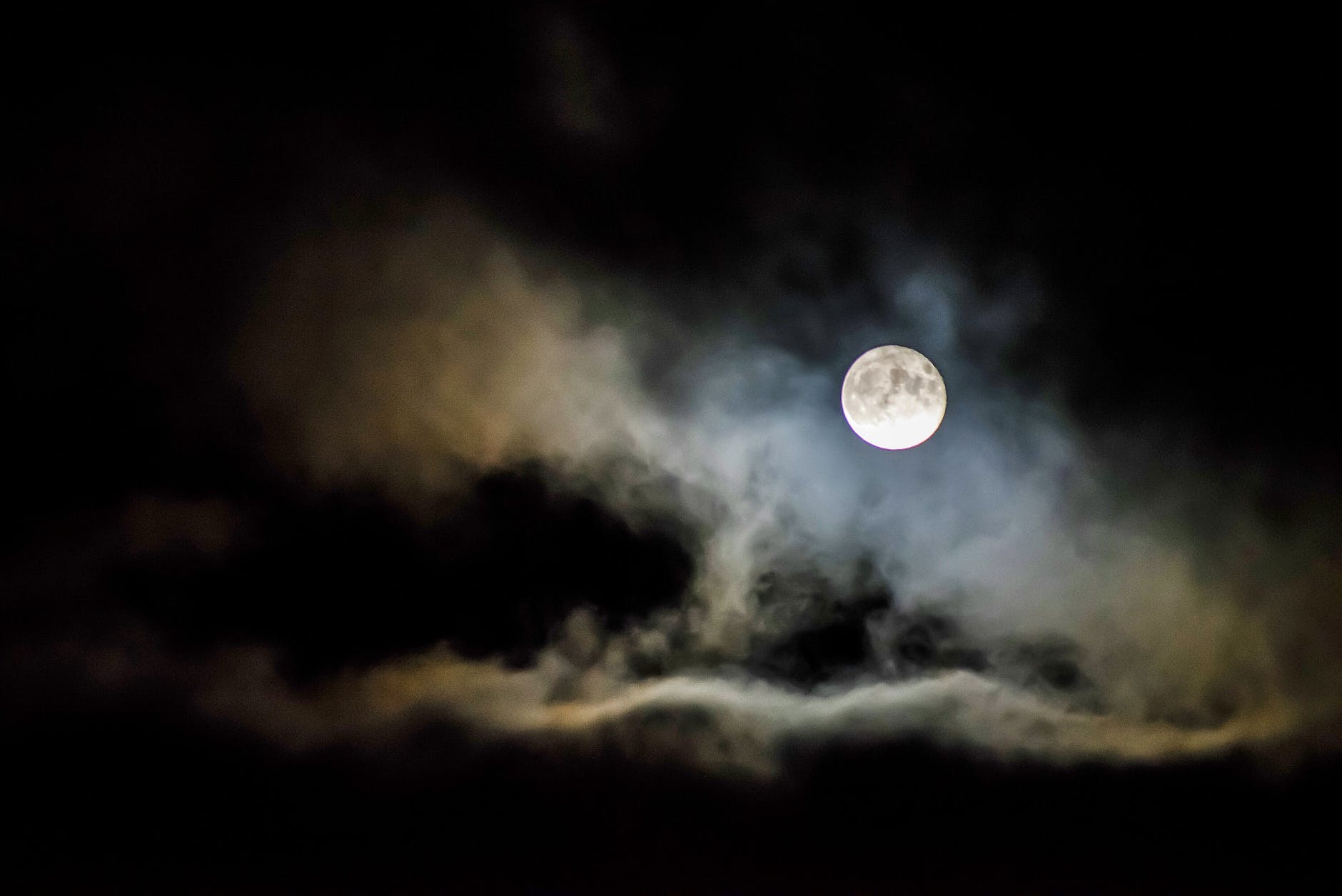
Have you ever wondered how to use the power of the full moon to attract more prosperity and abundance into your life? If so, you’re not alone. Many people practice full moon rituals for prosperity, believing that the full moon is a time of heightened energy and manifestation. In this blog post, I’ll share with you some of the most popular and effective full moon rituals for prosperity that you can try at home.

The full moon is a powerful time for harnessing energy and setting intentions. In witchcraft, many practitioners believe that the full moon is a time of heightened power and manifestation. This makes it the perfect time to perform rituals for prosperity and abundance.

Full moon rituals are practices that people perform during the full moon phase to harness its energy and align with its cycles. Full moon rituals can vary depending on one’s beliefs, preferences, and intentions, but they usually involve some elements of reflection, release, gratitude, and manifestation.

Full moon rituals are important because they can help people to connect with nature, themselves, and the universe. The full moon is a time of heightened power and illumination, which can reveal what needs to be changed, healed, or celebrated in one’s life. By performing full moon rituals, people can tap into this energy and use it to enhance their well-being, creativity, and spirituality. Full moon rituals can also help people to create a sense of rhythm, harmony, and balance in their lives, as they sync with the natural cycles of the moon.

One popular full moon ritual for prosperity involves creating a prosperity altar. Start by selecting items that represent wealth and abundance. You will need:

  • A small table or surface that you can dedicate to your intention for prosperity.
  • Green candles to represent wealth and abundance.
  • Coins to symbolize money and prosperity.
  • Stones like citrine or green aventurine to attract wealth and abundance.
  • Dried basil leaves, representing prosperity and financial growth.
  • Cinnamon sticks, symbolizing abundance and success.
  • A pinch of ginger root, activating the energies of prosperity and money attraction.
  • Any other items that resonate with you and your intention for prosperity.

Next, light your green candle and focus on your intention for prosperity. Visualize yourself surrounded by abundance and prosperity in all areas of your life. You can also speak or write down affirmations related to wealth and abundance to further strengthen your intention.

As you sit in front of your altar, meditate on the energy of the full moon and how it can amplify your intentions for prosperity. Feel the energy and abundance of the full moon washing over you, filling you with its powerful energy.

A manifestation ritual for prosperity is a way of using your intention, visualization, and gratitude to attract more wealth and abundance into your life. There are different ways to perform a manifestation ritual, but here is one possible method:

  • Find a quiet and comfortable place where you can focus on your ritual. You can also prepare some items that represent prosperity, such as money, coins, bills, or checks. You can also use crystals, candles, incense, or herbs that are associated with wealth, such as citrine, green aventurine, cinnamon, or basil.
  • Write down your intention for prosperity on a piece of paper. Be specific and positive about what you want to manifest, and avoid using words like “want”, “need”, or “lack”. For example, you can write something like “I am grateful for the abundance of money that flows into my life easily and effortlessly.”
  • Hold the paper in your hands and close your eyes. Visualize yourself living in your desired state of prosperity. Imagine how it feels, what it looks like, what you hear, smell, and taste. Feel the joy and gratitude of having everything you need and more.
  • Say your intention out loud or in your mind and affirm that it is already done. You can also add a phrase like “And so it is”, “Thank you, universe”, or “This or something better” to seal your intention.
  • Burn the paper in a fire-safe dish or tear it into small pieces and bury it in the ground. This is a way of releasing your intention to the universe and trusting that it will manifest in the best way possible.
  • Express your gratitude for the prosperity that is already present in your life, and for the prosperity that is on its way. You can also do something to celebrate your manifestation, such as dancing, singing, or treating yourself to something nice.

This is one example of a manifestation ritual for prosperity, but you can also customize it to suit your preferences and beliefs. The most important thing is to have a clear and positive intention, and to feel the emotions of having what you desire. You can also repeat this ritual as often as you like, especially during the full moon, which is a powerful time for manifestation. 

Remember to thank the universe, your guides, or any deities you work with for their assistance in manifesting prosperity into your life. Ending your ritual with gratitude can help to solidify your intentions and show your appreciation for the abundance that is already present in your life.

Full moon rituals for prosperity can be a powerful tool for manifesting wealth and abundance in your life. By harnessing the energy of the full moon and setting clear intentions, you can create a powerful ritual that can help you attract prosperity into your life.

**Ivy Jaded WyldFyre**, based in **Manitowoc, WI**, is a multi-talented individual with a fascinating blend of interests and skills. Let’s explore her diverse background:

**Author and Writer**:

   Ivy is a writer who weaves words into captivating stories, poems, and other literary works. Her creativity knows no bounds, and her writing reflects her deep connection to the mystical and magical.

   As an author, she explores themes related to spirituality, witchcraft, and the esoteric. Her words resonate with those seeking wisdom and inspiration.

Posted on

What is Witchcraft?

The phrase “witchcraft” refers to a broad range of customs, beliefs, and activities involving the use of magical or supernatural abilities. Witchcraft can be found in various historical eras and civilizations, and depending on the situation, it can serve a variety of functions. We’ll look at several common definitions and features of witchcraft in this blog, along with some prevalent myths and stereotypes about it.

Crystal Ball

The Origins and Etymology of Witchcraft

The word Witchcraft comes from the Old English wiccecraeft, which means “the craft or skill of a Witch”. A Witch is someone who practices Sorcery or Magic, and the word derives from the Old English Wicca (masculine) or wicce (feminine), which are pronounced “witchah” and “witchuh”, respectively. The origin of these words is uncertain, but some scholars suggest that they may be related to the Proto-Indo-European root “weik-, which means “to bend or turn”. This could imply that Witches were seen as people who could manipulate or influence reality with their will or power.

Witchcraft has similar words in other European languages, such as sorcellerie (French), Hexerei (German), stregoneria (Italian), and brujeria (Spanish), but none of them exactly translates another. Each word has it’s own connotations and nuances, and reflects the cultural and historical context of witchcraft in different regions and periods.

The Diversity and Variability of Witchcraft

Witchcraft is not a monolithic or homogeneous phenomenon, but rather a complex and diverse one that can vary according to time, place, culture, religion, and individual. There is no single or universal definition of Witchcraft, but rather multiple and sometimes contradictory ones.

Some of the factors that can influence the meaning and practice of Witchcraft are:

  • The source and nature of the supernatural or magical power: Some witches may claim to derive their power from natural forces, such as herbs, stones, animals, or elements; others may invoke the assistance of spirits, ancestors, deities, or demons; and others may rely on their own innate abilities, such as intuition, psychic skills, or charisma.
  • The purpose and intention of the Witchcraft: Some witches may use their power for good, such as healing, protection, divination, or fertility; others may use it for evil, such as harming, cursing, or manipulating; and others may use it for neutral or ambiguous ends, such as personal gain, revenge, or justice.
  • The perception and reaction of the society: Some witches may be accepted, respected, or even revered by their communities, such as shamans, healers, or wise women; others may be feared, hated, or persecuted by their societies, such as heretics, outcasts, or scapegoats; and others may be ignored, tolerated, or ridiculed by their peers, such as eccentric, delusional, or fraudulent.

The Stereotypes and Misconceptions of Witchcraft

Witchcraft has often been misunderstood, misrepresented, or maligned by various sources, such as folklore, literature, media, or propaganda. Some of the common stereotypes and misconceptions of witchcraft are:

  • Witchcraft is always evil or satanic: This is a false and biased view that stems from the Christian demonization of witchcraft, especially during the European witch hunts of the 14th to 18th centuries, when thousands of people, mostly women, were accused, tortured, and executed for allegedly practicing witchcraft and worshipping the Devil. However, witchcraft is not inherently evil or satanic, and many witches do not believe in or worship the Devil at all. In fact, some witches may identify as Christians, Jews, Muslims, or other religions, and practice witchcraft as a form of spirituality, devotion, or mysticism.
  • Witchcraft is always female or feminist: This is a false and simplistic view that stems from the association of witchcraft with women, especially in the Western context, where witchcraft has often been seen as a form of female empowerment, resistance, or subversion against the patriarchal and oppressive society. However, Witchcraft is not always female or feminist,  and many witches are men, or do not conform to the binary gender categories. Moreover, some witches may not identify as feminists, or may have different views on feminism and gender issues.
  • Witchcraft is always ancient or traditional: This is a false and romantic view that stems from the assumption that witchcraft is a relic of the past, or a survival of the pre-modern or pre-Christian cultures and religions. However, witchcraft is not always ancient or traditional, and many witches are modern or contemporary, or even futuristic. Witchcraft is not static or fixed, but dynamic and adaptable, and it can change and evolve according to the social, historical, and cultural context. Furthermore, some forms of witchcraft are relatively new or recent, such as Wicca, which emerged in the 1940s in England, and is the original form of modern Pagan Witchcraft.

Conclusion:

Witchcraft is a fascinating and complex topic that cannot be easily defined or explained. It is a multifaceted and diverse phenomenon that can have different meanings and manifestations depending on the perspective and situation. Witchcraft can be seen as a practice, a belief, a tradition, a religion, a culture, an identity, or a lifestyle. Witchcraft can be a source of power, knowledge, wisdom, healing, creativity, or joy. Witchcraft can also be a challenge, a struggle, a risk, a mystery, or a paradox.

Witchcraft is what you make of it, and what it makes of you.

Rainbow Pentagram
Posted on

New Moon Rituals for Abundance & Prosperity

Here are some New Moon ritual ideas for attracting prosperity:

  1. Unlocking Prosperity Ritual:
    • Working with the energy of the New Moon can enhance your manifestation efforts. Follow this five-step ritual for abundance:
      • Step 1: Set Intentions: Begin by clarifying your intentions for prosperity. Write down what you desire to attract.
      • Step 2: Cleanse Your Space: Clear your environment by smudging with sage or using other cleansing methods.
      • Step 3: Create an Abundance Altar: Arrange items that symbolize prosperity, such as crystals, coins, or green candles.
      • Step 4: Light Green Candles: Light three green candles and focus on the amount of money you want to attract or the type of abundance you desire.
      • Step 5: Recite a Prosperity Prayer: Use a prayer like this: “From The Light of the Goddess that I Am. From The Love of the Goddess that I Am. From The Power of Goddess that I Am., etc…’
  2. New Moon Money Bath Ritual:
    • Ingredients:
      • Epsom salt
      • Rosemary essential oil
      • Lavender essential oil
      • Three green candles
    • Steps:
      • Fill your bathtub with warm water and add Epsom salt.
      • Add a few drops of rosemary and lavender oils to infuse prosperity energy.
      • Soak in the bath, visualizing abundance flowing into your life like liquid gold.
  3. Money Ritual with Green Candles and Essential Oils:
    • Choose green candles and use essential oils like orange, bergamot, and cinnamon that correspond with abundance and/or prosperity.
    • Express gratitude to the moon and the elements for their assistance in your prosperity ritual.

These rituals will help you align your intentions with the energy of the New Moon. Feel free to adapt them to your personal beliefs and preferences. May your path be filled with abundance! 🌙💫🍀

Posted on

Imbolc 2024

Welcome to my blog, where I explore the enchanting and meaningful world of Imbolc. Imbolc, a sacred Pagan holiday celebrated on February 1st or 2nd, marks the halfway point between the winter solstice and the spring equinox. It is a time of transition when we bid farewell to winter’s embrace and eagerly anticipate the arrival of spring.

In this blog post, we will delve into the significance of Imbolc and its rich history within Pagan traditions. We will uncover the rituals and correspondences associated with this special occasion, offering you insights into how to honor and celebrate Imbolc in your own unique way.

Whether you are a seasoned practitioner or new to Paganism, this blog aims to provide inspiration and ideas for creating a meaningful Imbolc celebration. From crafting rituals that honor Brigid, the goddess of fire and inspiration, to exploring correspondences such as candles, snowdrops, and lambs, we will guide you through various aspects of this magical holiday.

Join us on this journey as we delve into the beauty and depth of Imbolc. Discover new ways to connect with nature’s rhythms, tap into your own intuition, and infuse your celebrations with intention. Let us ignite your imagination with creative ideas that will make your Imbolc celebration truly special.

So grab a cup of herbal tea or hot cocoa as we embark on an exploration of Imbolc’s traditions together. Let us inspire you to embrace this season of rebirth and renewal with open hearts and minds.

Imbolc, also known as “Brigid’s Day,” is deeply rooted in Celtic traditions and has been observed for centuries by various cultures. The origins of Imbolc can be traced back to pre-Christian times when it was celebrated as a Gaelic festival in Ireland, Scotland, and the Isle of Man. It is named after the Celtic goddess Brigid (or Bride), who symbolizes fertility, healing, poetry, and fire. Imbolc signifies the awakening of nature from its winter slumber and the anticipation of spring’s arrival.

During Imbolc, Pagans would engage in sacred rituals to honor Brigid and seek her blessings for their crops and livestock. These rituals often involved lighting bonfires to symbolize purification and renewal. It was believed that these fires had protective powers against evil spirits and brought warmth to homes during this transitional period.

In addition to its agricultural significance, Imbolc holds deep spiritual meaning for modern-day Witches and practitioners of Earth-based religions. Many continue to celebrate this festival by performing rituals that pay homage to Brigid’s attributes while embracing their own personal connections with nature.

As we explore the history and origins of Imbolc, we gain insight into how ancient cultures honored seasonal transitions through ritualistic practices. Today, this vibrant celebration continues to thrive as a reminder of our connection with nature’s cycles and our collective desire for renewal as we eagerly await the arrival of spring.

Imbolc is a time of hope, renewal, and the first signs of spring. It is a perfect occasion to gather with loved ones and celebrate the changing seasons. Here are some ideas to make your Imbolc celebration memorable.

Light a Candle

Candles play a significant role in Imbolc celebrations as they symbolize the return of light and warmth. Light a candle on your altar or create a sacred space adorned with candles. As you light each candle, visualize the darkness of winter giving way to the growing light of spring. You can also use colored candles that represent the energy you wish to invite into your life. For example, white candles for purity and new beginnings, or green candles for growth and healing.

Make a Brigid’s Cross

Brigid, the Celtic goddess of fire, poetry, and healing, is closely associated with Imbolc. Making a Brigid’s Cross is a traditional craft activity during this time. Gather dried rushes or straw and create a cross-like shape by weaving them together. Hang the Brigid’s Cross near your front door or in your sacred space as a symbol of protection and blessings for the year ahead.

Prepare a Feast

Feasting is an integral part of Imbolc celebrations. Prepare a meal using seasonal ingredients such as root vegetables, grains, and dairy products. Traditional dishes include colcannon, a potato and cabbage dish, or bannocks, a type of oatcake. As you cook, infuse your food with intentions of abundance, nourishment, and the warmth of the returning sun. Invite your loved ones to join you in sharing a delicious feast and the joy of the season.

Rituals are a powerful way to connect with the energy of Imbolc and honor the changing seasons. Here are some ritual ideas to enhance your Imbolc experience.

Cleansing and Purification

Imbolc is a time of purification, both physically and spiritually. Take a ritual bath with herbs such as lavender or rosemary to cleanse your body and release any stagnant energies. You can also smudge your home with sage or palo santo to clear away old energies and invite fresh beginnings. As you cleanse, visualize yourself releasing the heaviness of winter and welcoming the light of spring.

Planting Seeds of Intentions

Imbolc is a perfect time to set intentions for the year ahead. Create a ritual space with soil, seeds, and small pots. Take a moment to reflect on what you wish to manifest in your life. Write your intentions on small pieces of paper and bury them in the soil, planting seeds above them. As you nurture the seeds, visualize your intentions growing and blossoming along with the coming spring.

Honoring Brigid

Pay homage to the goddess Brigid during your Imbolc ritual. Create a sacred altar dedicated to her with symbols of fire, poetry, and healing. You can include candles, poetry books, healing crystals, and images or statues of Brigid. Light a candle in her honor and recite prayers or poems that resonate with her energy. Invite her presence into your ritual space and ask for her blessings and guidance.

Imbolc is associated with specific colors, symbols, and correspondences that enhance its energy. Here are some correspondences to incorporate into your Imbolc celebrations.

  • Colors: White, green, and yellow symbolize purity, growth, and the returning light. Incorporate these colors into your decorations, altar, and clothing.
  • Crystals: Amethyst, clear quartz, and garnet resonate with the energy of Imbolc. Place these crystals on your altar or carry them with you during rituals.
  • Herbs: Chamomile, lavender, and rosemary are herbs associated with healing, purification, and new beginnings. Use them in your ritual baths, smudging, or as offerings to Brigid.
  • Symbols: Brigid’s Cross, candles, snowdrops, and lambs are symbols of Imbolc. Include these symbols in your decorations or crafts to amplify the essence of the season.

In conclusion, Imbolc 2024 is a time to celebrate the returning light, renew our intentions, and honor the goddess Brigid. Whether you choose to light candles, create a feast, or perform rituals, let the energy of Imbolc inspire you to embrace the changing seasons and welcome the warmth of spring.

CTA: Embrace the magic of Imbolc and create your own unique celebration to honor the turning of the seasons. May this festival bring you renewed hope, inspiration, and blessings for the year ahead.

Wheel of the Year
Blessed be!
Posted on

Yule (Dec. 21st~31st 2023)

For those yearning to cement their ties to Yule and its relevance to witchcraft, understanding its rituals and correspondence is crucial. From adorning an altar with emblems such as evergreen branches and candles that symbolize the returning sun to enacting sanctified customs that laud nature’s cycles, a myriad of ways exist to exult this enchanted period.

Incorporating Yule correspondences, such as mistletoe for protection or holly for luck, can embellish your rituals or spell work during this season. Delving into conventional Yule ceremonies, such as kindling a Yule log or fashioning a wreath, can also impart a profound and meaningful significance to your celebrations.

Be it that you are a novice in witchcraft or an adept practitioner, embracing the energy of Yule confers an opportunity for soul-searching, acknowledgment of blessings, and renewal. By integrating these festive concepts into your practice, you can establish a poignant bond with this age-old Sabbat that honors both nature’s pattern and your own spiritual odyssey.


There is no definitive set of intentions for witches to set during Yule celebrations, as everyone’s path and goals may differ. However, Yule is generally considered a time for reflection and renewal, and witches may use this opportunity to set intentions that align with the energy and symbolism of the season. Some common intentions that witches might set during Yule include:

2. Honoring the cycles of nature: Yule is a time to reflect on the ebbs and flows of the natural world and set intentions that support and align with the changing seasons.

3. Setting intentions for prosperity and abundance: Yule is also associated with the return of the sun, so it can be a powerful time to focus on attracting abundance, success, and good fortune into one’s life.

4. Expressing gratitude and appreciation: Yule is a season of giving and generosity, so many witches use this time to reflect on all they have to be thankful for and set intentions around sharing their blessings with others.

Ultimately, the intentions that witches set during Yule will depend on their personal beliefs, values, and goals. However, by setting intentions that align with the energy and symbolism of the season, witches can tap into the power of Yule and manifest positive change in their lives.


One can deepen their connection with Yule in witchcraft by comprehending its rituals and correspondences. This includes decorating an altar with symbols like evergreen branches and candles representing the returning sun, using Yule correspondences for rituals and spells, and performing sacred rituals that honor nature’s cycles. Traditional Yule practices like lighting a Yule log or creating a wreath can also add depth and meaning to celebrations. By incorporating these celebration ideas and embracing the energy of Yule, one can create a meaningful connection with this ancient Sabbat and honor both nature’s cycles and their own spiritual journey.

Some Yule correspondences for rituals and spells include evergreen boughs or branches, cinnamon sticks, pinecones, cloves, oranges, and nutmeg. Mistletoe is also a popular Yule correspondence for its protective properties, as well as holly for its luck-bringing qualities. In addition, colors such as red, green, and gold are representative of Yule and can be used in rituals and spells. These correspondences can be incorporated into altar decorations, spells, and rituals to amplify the intention and energy behind them during the Yule season.

The colors that are representative of Yule and can be utilized in spells and rituals include red, green, and gold. Red reflects the energy of passion, love, and warmth, while green represents nature, renewal, and prosperity. Gold symbolizes the returning sun and the promise of abundance and success. These colors can be used in altar decorations, candle magic, and ritual dress during the Yule season to amplify the energy and intention behind spells and rituals.


1. Lighting a Yule log: This traditional ritual involves lighting a log and letting it burn throughout the night to symbolize the light and warmth returning to the world.

2. Creating a Yule wreath: Making a wreath from evergreen boughs, holly, and other Yule correspondences can be a lovely way to celebrate the season and bring the energy of nature and renewal into your home.

3. Holding a Yule feast: Gather with friends and family to share a meal, celebrate the season, and set intentions for the coming year.

4. Setting up a Yule altar: Decorate your altar with symbols of the season, such as candles, evergreen branches, and Yule correspondences, and spend time in meditation or prayer to connect with the spirit of the season.

5. Honoring the elements: Spend time in nature, make an offering to the earth, or simply reflect on the cycles of nature and the changing of the seasons.

These rituals and others can be a wonderful way to deepen your connection with the energy of Yule and celebrate the turning of the year.


1. Hosting a Yule gathering or potluck: Invite friends and family over for a festive meal, exchange gifts, and share stories or traditions related to Yule and the winter season.

2. Making crafts or decorations together: Creating Yule crafts or decorating the home with Yuletide symbols like wreaths, candles, or seasonal greenery can be a fun and creative way to spend time with loved ones.

3. Caroling or singing Yule songs: Singing or performing Yule carols or other seasonal songs can bring joy and uplift the mood of the gathering.

4. Performing group rituals or spells: Organizing a group ritual or spell for the winter solstice or during the Yule season can be a powerful way to connect with the energy of this sacred time and set intentions for the coming year.

5. Giving back to the community: Participating in volunteer work or donating to a charity can be a meaningful way to embody the spirit of giving and generosity that is often associated with Yule.

These are just some ideas to consider, but the most important thing is to spend time with loved ones, share meaningful experiences, and honor the energy of this special time of year.


In conclusion, the Witch’s Sabbat of Yule is an ancient celebration that has been observed by witches and pagans throughout history. At its core, Yule represents the turning of the year and the promise of light and warmth returning to the world. By incorporating Yule correspondences such as evergreen boughs, holly, and candles into rituals and spells, witches can deepen their connection with the energy of the season and honor nature’s cycles. Yule is also a time for gathering with friends and family, sharing joy and fellowship, and setting intentions for the year ahead. Whether celebrating through traditional Yule practices like lighting a Yule log or creating a wreath, or through modern rituals and traditions, the witch’s observance of Yule provides a profound opportunity to connect with the earth, the seasons, and one’s own spiritual journey.

Sending you a little Yuletide Cheer!