Posted on

Litha 2025


Published: June 5, 2025

The celebration of the Summer Solstice dates back thousands of years, long before the rise of organized religions. Ancient cultures across the globe recognized and revered this pivotal point in the solar year. From the megalithic structures of Stonehenge, precisely aligned with the solstice sunrise, to the sun worship of the Egyptians and the fire festivals of the Celts, humanity has always acknowledged the sun’s vital role in sustaining life.
Many Litha traditions stem from these ancient practices. Bonfires were lit to honor the sun and offer protection, herbs were gathered for their potent magical properties, and feasts were held to celebrate the bounty of the earth.
The Meaning of Litha
Litha is a time of profound meaning for Pagans:

Litha is a time of profound meaning for Pagans:

  • Peak of Solar Power: It represents the sun at its most powerful, a time of warmth, energy, and vitality.
  • Abundance and Fertility: The earth is fertile, crops are growing, and life is flourishing. It’s a time to acknowledge and appreciate this abundance.
  • Celebration of Light: With the longest daylight hours, Litha is a powerful reminder to embrace light in all its forms – illumination, joy, and spiritual clarity.
  • Balance: While it’s the peak of the sun’s power, it also marks the turning point where the days will begin to shorten. This subtle shift reminds us of the continuous cycle of life, death, and rebirth.
  • Joy and Merriment: Litha is a time for feasting, dancing, and general revelry, embracing the joyous energy of the season.

To enrich your Litha celebrations, here are some common correspondence:

  • Colors: Gol, yellow, orange, red, green, blue (sky and sea).
  • Deities: Sun gods and goddesses (e.g., Ra, Apollo, Lugh, Sol, Amaterasu), fertility goddesses, mother goddesses.
  • Crystals: Sunstone, Citrine, Carnelian, Amber, Peridot.
  • Herbs & Flowers: Oak, Mistletoe, Lavender, Chamomile, St. John’s Wort, Sunflower, Rose, Daisy.
  • Foods: Seasonal fruits and vegetables, honey, mead, bread, anything sun-shaped.
  • Animals: Bees, butterflies, eagles, lions, horses.
  • Symbols: Sun, fire, oak leaves, circles, wheels.

This ritual can be adapted for solitary practice or a small group.

What you’ll need:

  • A comfortable outdoor space, ideally where you can see the sun (or a window if indoors).
  • A yellow or gold candle.
  • A small offering of fresh fruit, flowers, or a handmade sun symbol.
  • A bowl of water
  • Incense (optional, but a good choice would be frankincense or lemon verbena). * A lighter or matches.
  • Preparation: Cleanse your space, perhaps by sweeping or smudging. Center yourself with a few deep breaths.
  • Cast a Circle (Optional): If you usually cast a circle, do so now.
  • Light the Candle: Light your yellow or gold candle, saying: “Great Sun, at your zenith you stand, Bringing life and warmth to this land. I light this flame to honor your might, And welcome your radiant, abundant light.”
  • Connect with the Sun: Close your eyes and visualize the sun’s warm rays washing over you. Feel its energy filling you with vitality and joy. Imagine the earth beneath you, vibrant and fertile.
  • Offer Gratitude: Hold your offering in your hands and, either aloud or silently, express your gratitude for the sun’s blessings, the abundance of nature, and the joy of the season. You might say: “Blessed be the sun, the bringer of life, Blessed be the earth, bursting with life. I give thanks for this season’s embrace, For abundance, joy, and sacred space.”
  • Offer to the Earth: Place your offering gently on the earth (if outdoors) or near your candle (if indoors).
  • Water Blessing: Dip your fingers into the bowl of water and sprinkle a few drops around your space, saying: “Water of life, flow ever free, Cleanse and refresh, bringing purity.”
  • Meditation/Reflection: Take a few moments to sit in the light of the candle, reflecting on your intentions for the coming half of the year. What do you wish to cultivate? What abundance do you seek?
  • Feast and Merriment (Optional): After your ritual, enjoy a light, seasonal snack and drink. Connect with loved ones or simply enjoy the moment.
  • Close the Ritual: Thank the sun, the earth, and any deities you worked with. Extinguish your candle safely. If you cast a circle, open it now.

Posted on

Litha: The Midsummer Sabbat Soltice Celebration

Welcome to the radiant zenith of the Sun’s journey, as we embrace the longest day and the shortest night of the year. Litha, also known as Midsummer or the Summer Solstice, is a time of intense power, magic, and celebration. As witches, pagans, and followers of the old ways, we gather to honor the full strength of the Sun, revel in the abundance of the Earth, and acknowledge the fleeting nature of light and darkness.

In this sacred season, we stand at the threshold of two worlds, where the veil between the seen and unseen is as thin as the new moon’s crescent. The fires of Litha ignite our passions, fuel our dreams, and cleanse our spirits. Join us as we delve into the ancient traditions, modern practices, and the enchanting lore of this sabbat. Whether you’re dancing around the bonfire, crafting sun-infused charms, or simply soaking in the warmth of the season, Litha is a time to celebrate life’s bounty and the fire within us all.

Let’s explore the mysteries and the joy of Litha together, as we turn the Wheel of the Year and bask in the Sun’s glorious light. 🔮✨


Welcome to Pagan Essentials, where we explore and celebrate the rich traditions of modern witchcraft and Paganism. As the Wheel of the Year turns, we now find ourselves approaching Litha, also known as the Summer Solstice. This powerful Sabbat marks the longest day and the shortest night of the year, a time of abundant energy, growth, and celebration.


Litha, typically celebrated around June 20th to 23rd in the Northern Hemisphere, is a time to honor the sun at its peak. The word “Litha” is believed to derive from the Anglo-Saxon term for the months of June and July. This Sabbat is a celebration of light, warmth, and life. It’s a time to acknowledge the power of the sun and its role in nourishing the Earth.

In many traditions, Litha is seen as a time when the Oak King, who reigns from Yule to Litha, is overthrown by the Holly King, who will rule from Litha to Yule. This symbolic battle represents the shifting balance between light and dark as the days begin to shorten once more.


Litha is a vibrant and joyous Sabbat, and there are many ways to celebrate its energies. Here are some popular traditions and rituals:

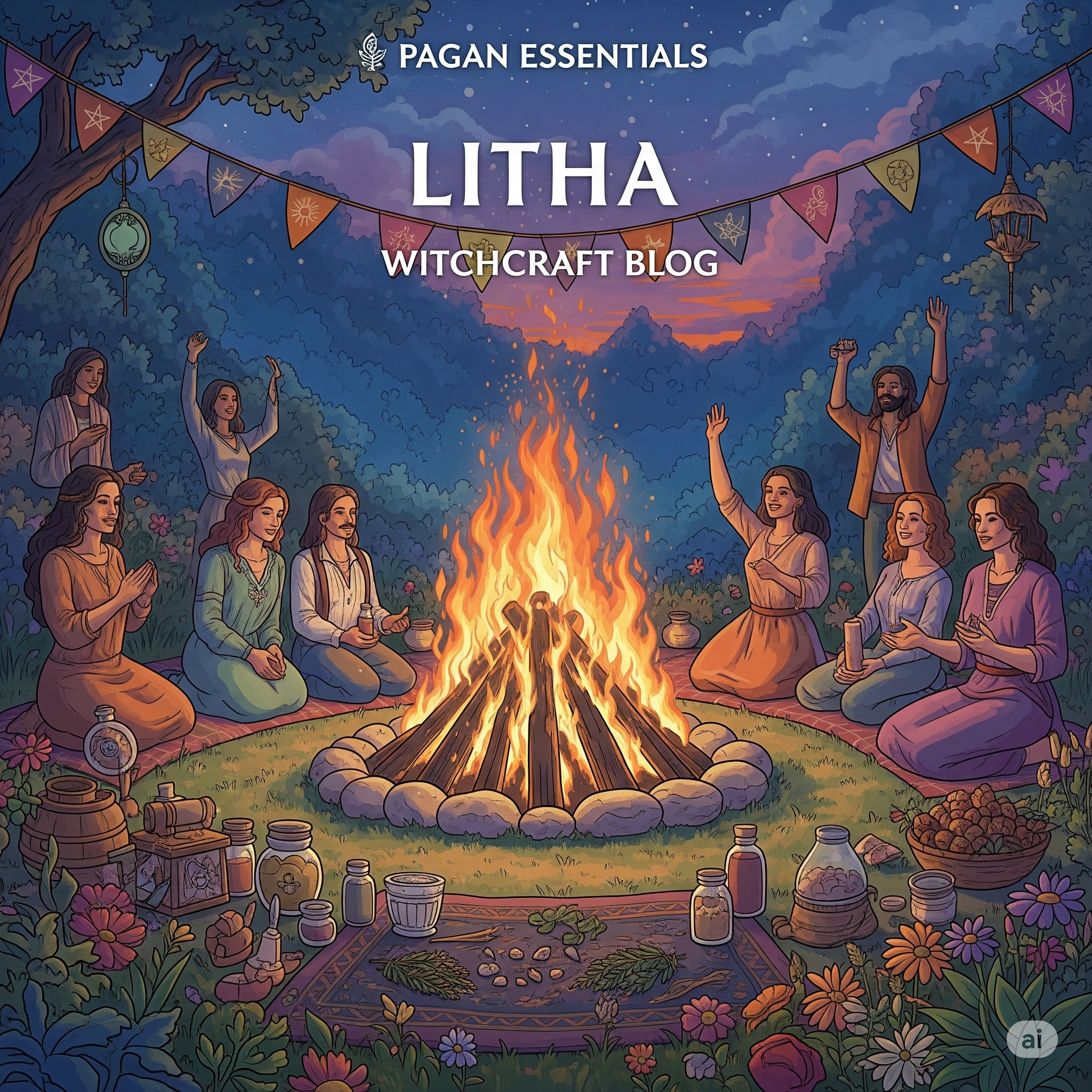
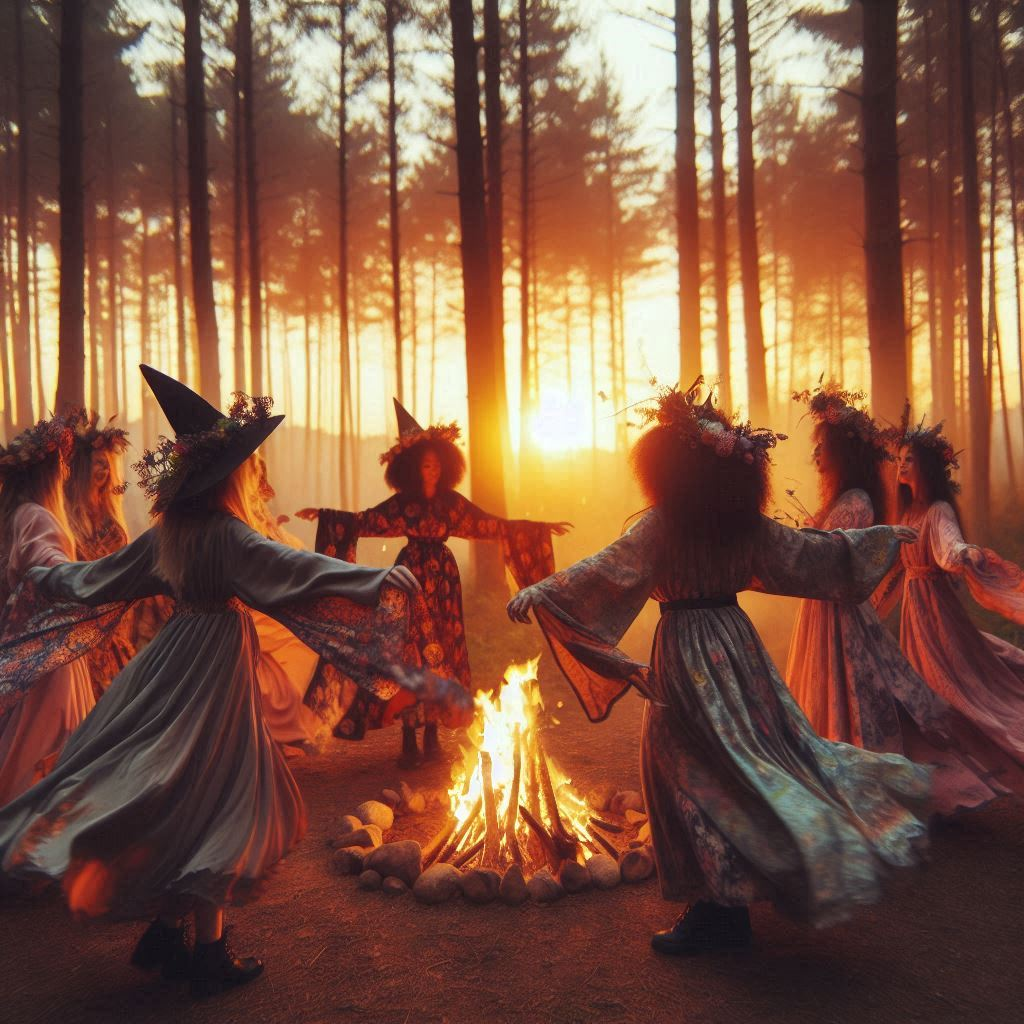
  1. Bonfires and Fire Magic: Lighting a bonfire is a traditional way to celebrate Litha. The fire symbolizes the sun at its zenith and is believed to ward off evil spirits. Jumping over the fire (safely, of course) is a custom thought to bring good fortune and protection.
  2. Sun Offerings: Create a solar altar with sun symbols, yellow and gold candles, and sunflowers. Offerings of fresh fruits, especially those that thrive in the summer like strawberries and peaches, can be made to honor the sun’s bounty.
  3. Nature Walks and Flower Gatherings: Spend time outdoors, reveling in the beauty of nature at its most lush. Gather herbs and flowers such as lavender, St. John’s Wort, and yarrow, which are believed to hold special power during this time.
  4. Midsummer Feasts: Celebrate with a feast that includes summer fruits, fresh vegetables, and honey-based treats. Sharing food with loved ones under the sun or moon strengthens communal bonds and honors the Earth’s gifts.
  5. Divination: The energy of Litha is potent for divination. Use tools like tarot cards, runes, or a pendulum to gain insight and guidance. The heightened energy can provide clearer visions and stronger intuitions.
  6. Meditation and Reflection: While Litha is a time of celebration, it’s also a moment to reflect on personal growth and the goals you set at the beginning of the year. Meditate on the progress you’ve made and set intentions for the remaining year.

  • Create a Litha Wreath: Make a wreath using flowers, herbs, and greenery that symbolize the sun and growth. Hang it on your door to welcome positive energy into your home.
  • Make Sun Water: Charge water under the midday sun and use it for rituals, spells, or as a refreshing drink infused with solar energy.
  • Decorate with Sun Symbols: Use images of the sun, sunflowers, and solar colors (yellow, gold, orange) in your home and sacred space.

Litha is an excellent time to honor deities associated with the sun, such as:

  • Apollo: The Greek god of the sun, music, and prophecy.
  • Ra: The Egyptian sun god.
  • Helios: The Greek personification of the sun.
  • Amaterasu: The Japanese sun goddess.

Set up an altar with symbols and offerings that resonate with your chosen deity to strengthen your connection and invite their blessings.


Ultimately, Litha is about embracing the peak of life and the height of light. It’s a time to celebrate abundance, personal power, and the beauty of nature. Whether you gather with a coven, family, friends, or spend the day in solitary reflection, let the energy of the sun fill you with warmth, inspiration, and joy.

May your Litha be filled with light, love, and lasting memories. Blessed be!


Posted on

Litha


A picture of the Sun smiling.

Litha, also known as Midsummer or the Summer Solstice, is a Pagan holiday that marks the longest day of the year. Astronomically, the summer solstice (June 21, 2023) will happen when the sun reaches its highest point in the sky. It is celebrated on June 21st every year and is one of the eight Sabbats.

This holiday celebrates the light and dark within us as we strive to find our inner strength. Traditionally, bonfires are lit to honor this day and pay tribute to the Oak King and Holly King in a battle of light and dark. Fire rituals are also performed to bring good luck for the upcoming season. Early European traditions celebrated midsummer by setting large wheels on fire and then rolling them down a hill into a body of water. Celebrations can also include altar ideas such as flowers, incense, candles, fruits, herbs, stones, and crystals that correspond with specific spells and rituals. On this day we celebrate life itself with joyous festivities!
Litha is a time to celebrate the longest day of the year and the abundance of nature. It is one of the eight sabbats in the Wheel of the Year, and it marks the transition from the waxing to the waning phase of the Sun. Fire is a symbol of this sabbat, as it represents the power and warmth of the Sun-God, who is at his peak on this day. Many Wiccans light bonfires or candles to honor him and to ask for his blessings of protection, fertility, and prosperity. There are also other deities that are associated with Litha, such as goddesses of love, beauty, and fertility, or gods of agriculture, harvest, and growth. Some examples are Aphrodite, Freya, Lugh, and Cernunnos. Litha is a joyous occasion to celebrate life, light, and abundance with gratitude and generosity.

If you are interested in the origins of Pagan names and festivals, you might have wondered what “Litha” means. Litha is one of the names for the summer solstice, the longest day of the year and a time of celebration for many cultures. But where does this name come from and what does it signify?

According to a medieval scholar named Bede, who wrote a book called “The Reckoning of Time”, Litha is an Anglo-Saxon word that means “gentle” or “navigable”. He explained that this was because the winds were calm, and the seas were smooth during this season. Bede also recorded the names of other months based on the Pagan customs of his time, such as Eostre (April), Thrimilchi (May), and Halegmonath (September).

Litha is not the only name for the summer solstice, though. Other traditions call it Midsummer, Alban Hefin, St. John’s Day, or simply the First Day of Summer. Whatever you call it, it is a time to honor the sun, the fire, and the abundance of nature. It is also a time to celebrate life, joy, and creativity. You can celebrate Litha by lighting a bonfire, making flower crowns, dancing, singing, or doing any activity that makes you happy and grateful.


Litha Correspondence

Colors: White, Red, Yellow, Orange, Gold, Green.


Energies: Power, Creativity, Inspiration, Love, Divination, God energy, Healing, Fertilization.


Oils/Incenses: Cinnamon, Heliotrope, Lemon, Musk, Orange, Rose, Saffron, Sandalwood, Wisteria, Vervain.

Plants and Herbs: Lavender, Chamomile, Roses, Daisies, Lily, Elder, Fennel, Sunflower, St. John’s Wort, Verbena.


Gemstones: Amber, Jade, Tiger’s eye, Jasper, Peridot, Aventurine, Ruby, Emerald.


Symbols: Sun wheel, Sun, Fire, Bonfires, Roses, Daisies, All rayed flowers, Torches, Fairies.


Foods: Ale, Bread, Cheese, Edible Flowers, Fresh fruits and vegetables, Lemons, Mead & Wine, Milk, Oranges, Pumpernickel bread, Oatmeal cake.

Drinks: Sunflower Tea. Fresh Juice from Seasonal Fruits, Water, Beer, and White Wine.