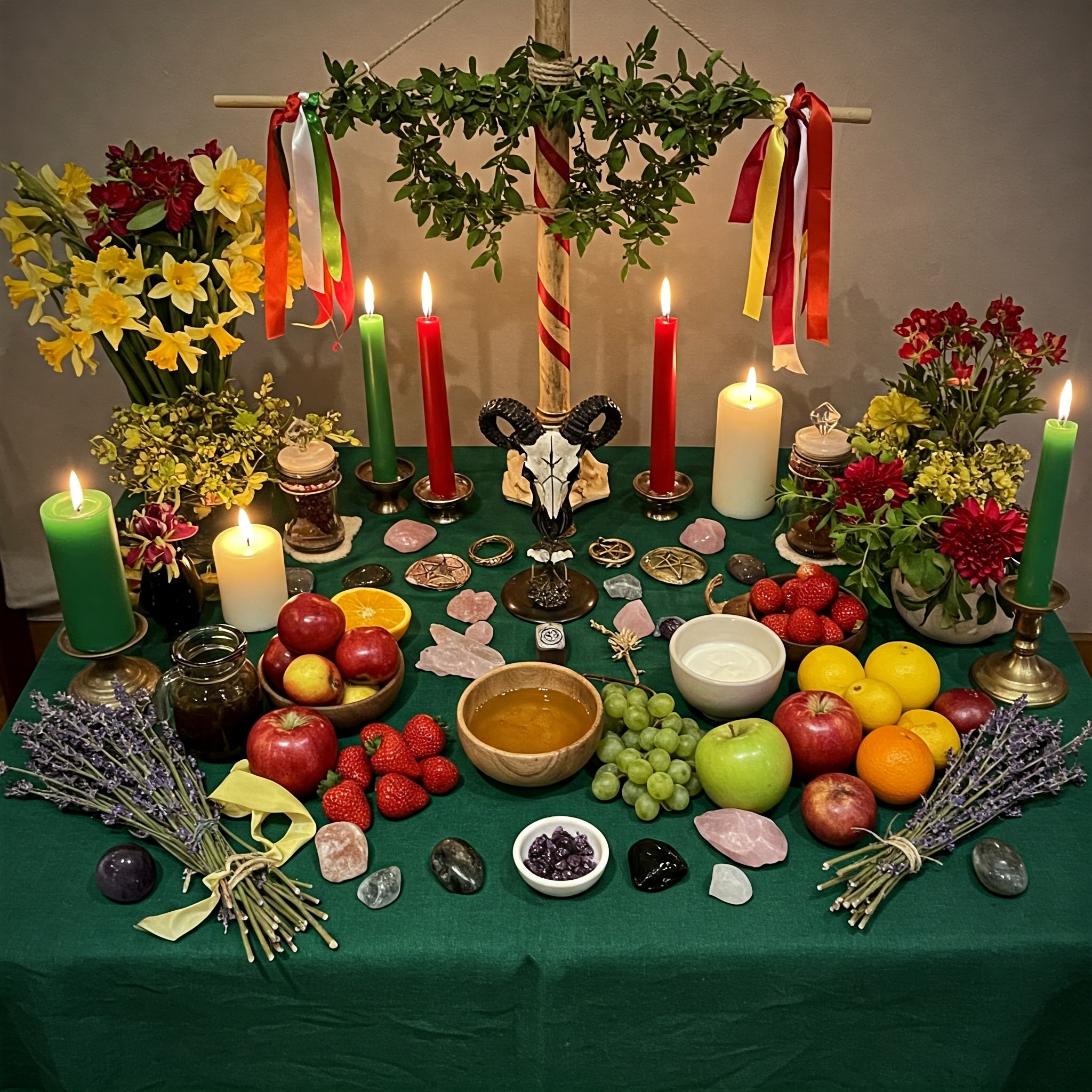
Posted on

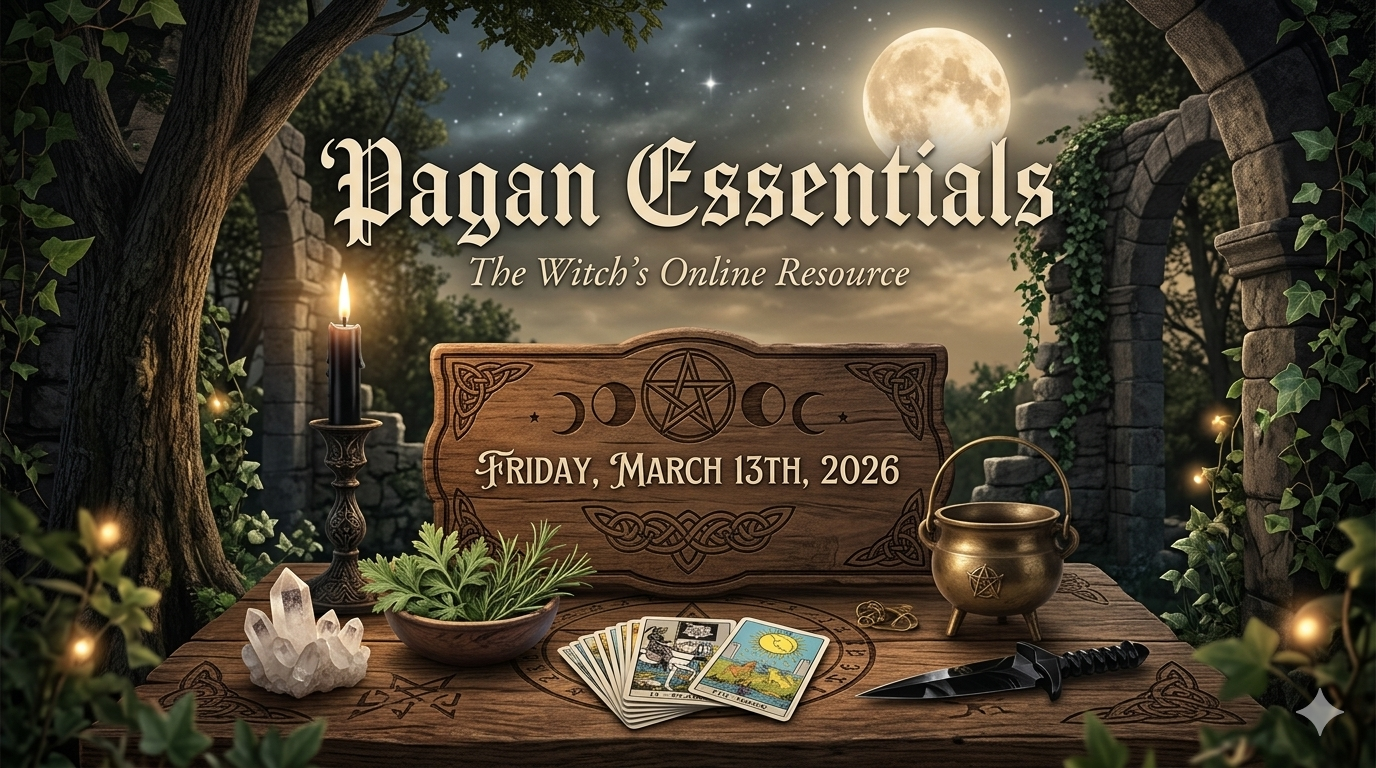
๐ŸŒ™ Friday the 13th: The Goddessโ€™s Lucky Day

Happy Friday the 13th, Seekers! ๐Ÿ–ค
While the rest of the world might be walking cautiously around ladders, weโ€™re leaning into the magic. For the modern practitioner, Friday the 13th isn’t a day of “bad luck”โ€”it is a potent alignment of divine feminine energy and manifestation.


Why this day is sacred to Witchcraft:

* The Day of Freya: The word “Friday” comes from Frigg or Freya. It is a day traditionally dedicated to the Norse Goddess of love, fertility, and magic.


* The Power of 13: There are 13 lunar cycles in a year. The number 13 represents the divine feminine and the cycles of the Moon.


* A Temporal Reset: Occurring in March, this specific Friday the 13th sits right on the edge of the Spring Equinox (Ostara). Itโ€™s the perfect time to shed the last of winterโ€™s shadows and plant seeds for what you want to grow.

Witch Tip: Today is a powerhouse for manifestation spells, divination, and glamour magic. Instead of fearing the “unlucky,” use this energy to claim your own power.

โ€‹#PaganEssentials #FridayThe13th #Witchcraft2026 #DivineFeminine #ModernWitch #FreyaDay #ManifestationMagic


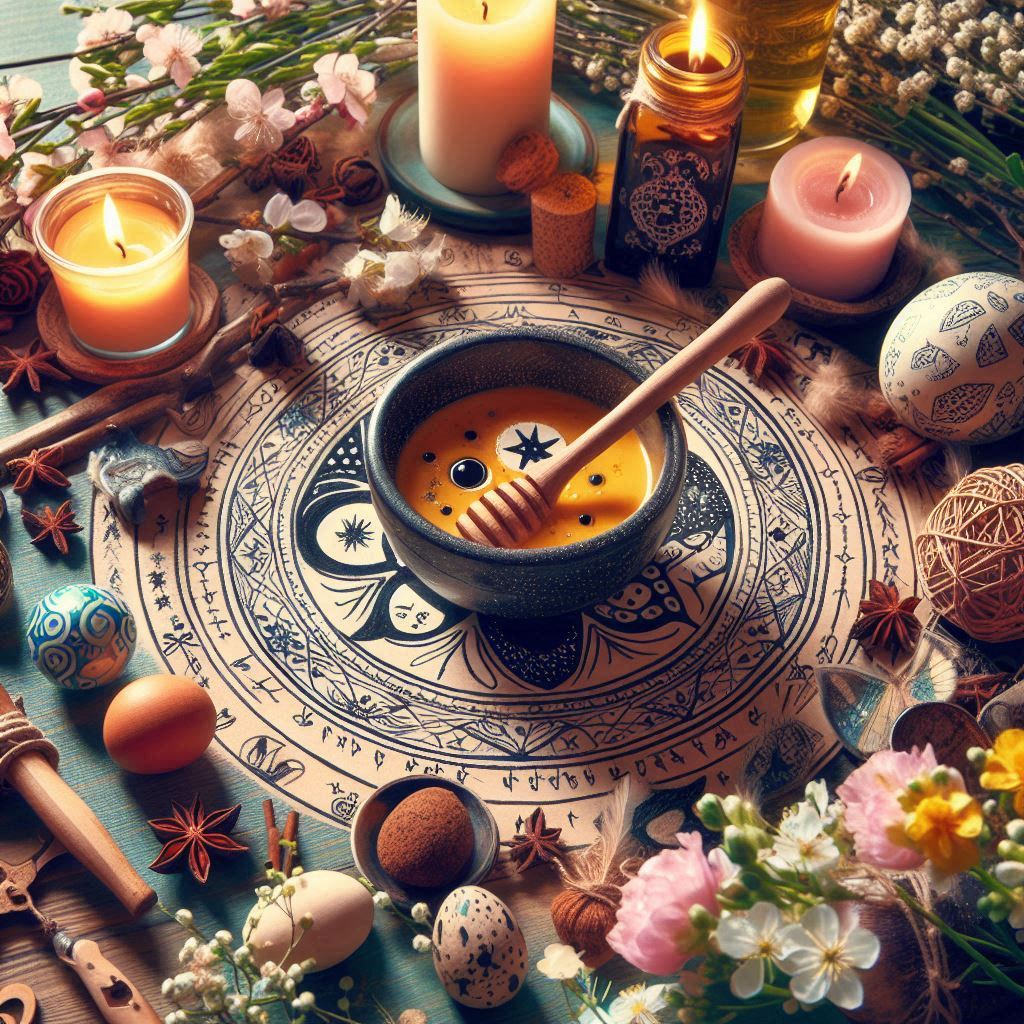
๐ŸŒ™ The Friday the 13th “Goddess Luck” Ritual

Harnessing the Power of Freya & the Number 13


This ritual is designed to flip the script on “bad luck” by reclaiming the dayโ€™s sacred feminine energy. It focuses on drawing in abundance, protection, and the “luck” that comes from being perfectly aligned with your path.


Items Youโ€™ll Need:

* A Green or Gold Candle: For prosperity and “golden” opportunities.


* A Small Bowl of Water: To represent the fluid, lunar nature of the number 13.


* 13 Small Coins or 13 Seeds: To symbolize the 13 lunar cycles of the year.


* Cinnamon or Mint: Herbs known for “fast luck” and drawing energy toward you.


The Ritual Steps:

1. Clear the Space
Since it is the eve of the 13th, start by clearing any lingering “heavy” energy. You can use bells, incense, or simply clap your hands in the corners of your room to break up stagnant vibes.


2. Call in the Day
Light your candle. As the flame grows, visualize a shimmering green or golden light expanding from the wick until it fills the room. Speak or think:


On this Friday of Freya, I reclaim the power of thirteen. I do not fear the shadow; I command the light. Luck flows to me as naturally as the tide.”


3. The Offering of 13
Take your 13 coins (or seeds) one by one. Drop them into the bowl of water. With each “plink,” name one thing you are grateful for or one goal you want to manifest this spring.


Example: “I am grateful for my intuition. I manifest a new creative breakthrough.”


4. The Quickening
Sprinkle a pinch of cinnamon or mint into the water. Stir the water clockwise three times with your dominant hand, visualizing your intentions spinning into reality.


5. Seal the Luck
Anoint your wrists or your front door frame with a drop of the ritual water (be careful with surfaces!). Extinguish the candle (or let it burn down safely) and keep the coins/seeds on your altar until the Spring Equinox.


๐Ÿ—๏ธ Witchโ€™s Tip:
Because this Friday the 13th falls in March, it carries the energy of “The Quickening”โ€”the moment just before everything blooms. If you feel stuck, use this ritual tonight to “jumpstart” your luck before the sun rises tomorrow.

Friday the 13th Ritual

Posted on

Mabon: A Time of Harvest and Balance

By Ivyjaded Wyldfyreย  at Pagan Essentials

As the Wheel of the Year turns, we arrive at Mabon, the Autumn Equinox, a time of balance, gratitude, and the second harvest. For those of us in the Northern Hemisphere, this Sabbat marks the official start of autumn, when day and night stand in perfect equilibrium before the nights begin to lengthen.

When is Mabon 2025?

In 2025, Mabon in the Northern Hemisphere will occur on Monday, September 22nd.

The History of Mabon

While the name “Mabon” itself is a modern invention coined by Aidan Kelly in the 1970s, the celebration of the Autumn Equinox is ancient and deeply rooted in agricultural societies. Across various cultures, this time of year has always been dedicated to giving thanks for the bounty of the harvest, preparing for the colder months ahead, and acknowledging the changing seasons. It was a time of feasting, community gathering, and honoring the generous Earth.

Correspondences of Mabon

โ€‹Mabon is rich with symbolic correspondences that reflect its themes of harvest, balance, and gratitude.

  • Colors: Red, orange, yellow, brown, gold, deep greens, maroon.
  • โ€‹Symbols: Cornucopia, baskets, sickles, acorns, pinecones, leaves, grapes, apples, pomegranates, squash, pumpkins, gourds, wine, bread.
  • โ€‹Deities: Mabon Ap Modron (Welsh God of Light), Persephone, Demeter, John Barleycorn, Dionysus, Ceres, Inanna, Modron.
  • โ€‹Herbs & Plants: Mugwort, rue, sage, yarrow, rosemary, frankincense, myrrh, oak, hazel, pine, cypress, cedar.
  • Crystals: Sapphire, amber, citrine, aventurine, carnelian, jasper, topaz, Lapis lazuli, agate, tiger’s eye
  • โ€‹Animals: Deer, owl, wolf, bear, salmon.
  • โ€‹Themes: Gratitude, balance, reflection, harvesting, abundance, protection, preparation, letting go, equality.

An Example Mabon Altar

Creating a Mabon altar is a wonderful way to honor the Sabbat and bring its energy into your home. Hereโ€™s an idea for inspiration:

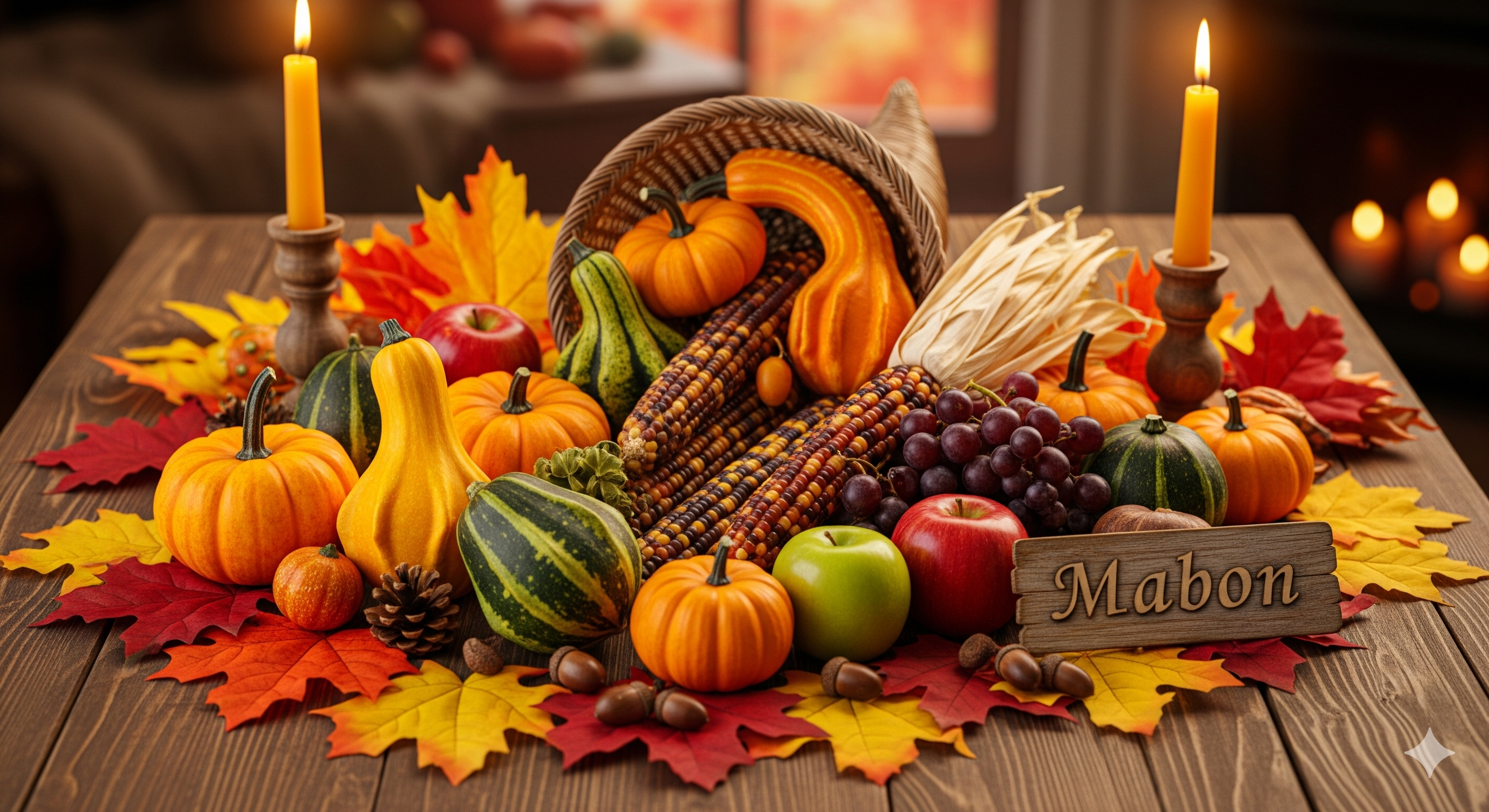
Set out a rich, autumnal-colored cloth, perhaps in deep red or orange. In the center, place a cornucopia overflowing with small gourds, miniature pumpkins, apples, and ears of corn. Add candles in colors like gold, brown, or deep green. You might include representations of deities associated with Mabon, such as a statue of Demeter or a symbol of the Horned God. Scatter fallen leaves, acorns, and pinecones around the base. Include any crystals that resonate with Mabon’s energy, and perhaps a small chalice for offerings of cider or wine.

Mabon Activities to Participate In

There are many ways to celebrate Mabon and connect with its energies:

  1. โ€‹Harvesting & Foraging: If possible, gather late-season herbs, fruits, or nuts. Even a trip to a local apple orchard or pumpkin patch can be a wonderful way to connect with the harvest.
  2. โ€‹Feasting: Prepare a special meal using seasonal ingredients like apples, squash, corn, and root vegetables. Share it with loved ones as an act of gratitude for abundance.
  3. โ€‹Nature Walks: Spend time in nature, observing the changing leaves and feeling the shift in the air. Collect fallen leaves, acorns, and other natural treasures.
  4. โ€‹Autumn Decorating: Adorn your home with natural elements like gourds, pumpkins, dried corn, and colorful leaves.
  5. โ€‹Gratitude Practice: Take time to reflect on the blessings and harvests in your life, both tangible and intangible. Keep a gratitude journal.
  6. โ€‹Canning & Preserving: Engage in the traditional act of preserving food for the winter months, symbolizing preparation and self-sufficiency.
  7. โ€‹Sabbat Cleaning: Just as nature is letting go, consider decluttering and cleansing your home to make space for new energies.
  8. โ€‹Baking: Bake apple pies, pumpkin bread, or corn muffins as offerings or to share.

An Example Mabon Ritual: A Simple Gratitude Offering

This simple ritual can be performed alone or with others.

Supplies Needed:

  • โ€‹A small piece of bread (homemade if possible)
  • โ€‹A cup of cider, wine, or water
  • โ€‹A quiet space, preferably outdoors or near your altar
  • A candle (optional)

The Ritual:

  1. โ€‹Center Yourself: Find a comfortable position. Take a few deep breaths, grounding yourself to the Earth. If using a candle, light it now.
  2. โ€‹Acknowledge the Season: Say aloud: “The wheel turns, and day and night stand in perfect balance. We welcome Mabon, the time of the second harvest, a moment of gratitude and reflection.”
  3. โ€‹Offer the Bread: Hold the piece of bread in your hands. Reflect on the bounty it represents โ€“ the sun, rain, earth, and labor that brought it forth. Say: “For the gifts of the Earth, for the abundance in my life, for the nourishment of body and spirit, I am thankful.” Break off a piece and place it outside (if safe for wildlife) or on your altar as an offering.
  4. โ€‹Offer the Drink: Hold the cup. Reflect on the sustenance and joy it brings. Say: “For the flowing waters, for the fruits of the vine, for health and vitality, I give thanks.” Pour a small amount outside or on your altar.
  5. โ€‹Personal Gratitude: Take a moment to silently or audibly list specific things you are grateful for in your life right now.
  6. โ€‹Release and Balance: Acknowledge the balance of Mabon. Say: “As light and dark find equilibrium, I seek balance within myself. I release what no longer serves me and embrace the wisdom of the changing seasons.”
  7. โ€‹Closing: Thank the spirits of the season, your guides, or the divine as you understand them. Take a final deep breath. If you lit a candle, safely extinguish it.

May your Mabon be filled with abundance, gratitude, and perfect balance!

โ€‹Do you have any specific Mabon traditions youโ€™d like to share, or would you like to see an image of a Mabon altar?

Mabon Altar
Posted on 4 Comments

Lughnasadh/Lammas 2025

Celebrating Lughnasadh/Lammas: The First Harvest of Abundance
By Pagan Essentials


As the Wheel of the Year turns, we arrive at Lughnasadh, also known as Lammas, the first of the three harvest festivals. This potent Sabbat, celebrated on August 1st, 2025, marks the beginning of the grain harvest, a time of gratitude for the Earth’s bounty and the culmination of the year’s growth. For Witches and Pagans, it’s a moment to honor sacrifice, abundance, and the interconnectedness of life.


What is Lughnasadh/Lammas?


Lughnasadh (pronounced Loo-nah-sah), named after the Celtic sun god Lugh, is a fire festival celebrating the first fruits of the harvest, particularly grains like wheat, barley, and oats. Lammas, derived from the Old English “hlaf-mas” meaning “loaf mass,” emphasizes the tradition of baking the first bread from the newly harvested grain.
Both names speak to the same core theme: the gift of the land providing sustenance, often through the “sacrifice” of the grain god, who dies to nourish the people. It’s a time of both joy for the harvest and a poignant acknowledgment of the turning wheel, as the sun begins its slow decline towards winter.


Correspondences of Lughnasadh/Lammas


To truly connect with the energy of this Sabbat, consider incorporating these correspondences into your celebrations:

Colors:

  • Gold, yellow, orange, red (representing the sun and ripe grains)
  • Light brown, green (representing the earth and growing crops)

Crystals & Stones:

  • Carnelian, Sunstone, Citrine, Peridot, Amber, Pyrite (for solar energy, abundance, and warmth)
  • Agate, Jasper (for grounding and earth connection)

Herbs & Plants

  • Grains: Wheat, Barley, Oats, Corn
  • Sunflowers, Marigolds, Goldenrod (for solar energy and beauty)
  • Rosemary, Thyme, Sage, Cinnamon (for protection, prosperity, and warmth)
  • Apples, Pears, Plums, Blackberries (first fruits of the season)
  • Grapes and Grapevines

Symbols & Tools

  • Sheaves of grain, Corn dolls
  • Loaves of bread, Baskets, Cornucopias
  • Sickles, Scythes (harvesting tools)
  • Beeswax candles
  • The Sun, Bonfires

Deities:

  • Lugh (Celtic God of craftsmanship, arts, and the sun)
  • Ceres (Roman Goddess of agriculture)
  • Demeter (Greek Goddess of the harvest)
  • The Corn Mother/Grain Mother
  • John Barleycorn (personification of the grain)

How to Create a Lammas Altar

  • Choose a central cloth: Opt for colors like gold, orange, or a rich green to set the tone.
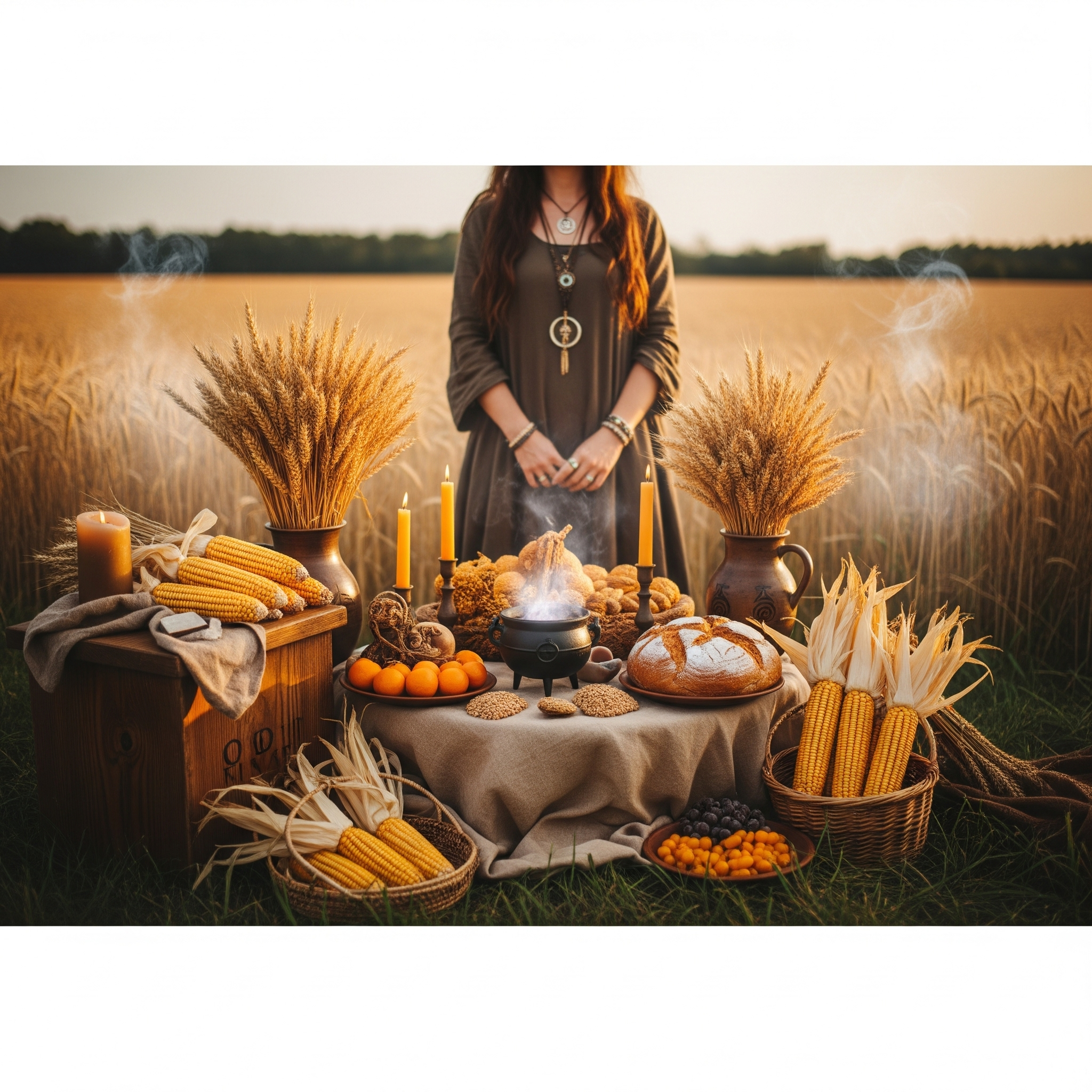
  • Feature grains prominently: Place sheaves of wheat, stalks of corn, or a small bowl of mixed grains.
  • Add baked goods: A freshly baked loaf of bread (especially one you’ve made yourself with intention) is central to a Lammas altar. Honey cakes or other grain-based treats are also wonderful.
  • Include seasonal fruits and vegetables: Arrange a bounty of apples, berries, plums, or any other fruits and vegetables that are ripe in your area.
  • Incorporate solar symbols: Yellow, orange, or red candles are perfect for representing the sun’s power. Sunflowers or marigolds can also be added.
  • Place crystals: Arrange your chosen Lammas crystals (Carnelian, Citrine, etc.) to amplify the energy of abundance and gratitude.
  • Add images or representations of deities: If you work with specific harvest deities like Lugh, Demeter, or Ceres, include their images or symbols.
  • Include tools of the harvest: A small sickle (if you have one), miniature baskets, or even a symbolic corn doll can represent the work of the harvest.
  • Personal touches: Add anything that resonates with you and signifies abundance, hard work, or gratitude. This could be a journal to write down your blessings, or a small offering bowl for nature.
  • Activities to Celebrate Lammas
    Lammas is a wonderful time for celebration, reflection, and connecting with the Earth. Here are some activities you can do:
  • Bake Bread: This is perhaps the most iconic Lammas activity. Bake a loaf of bread from scratch, infusing it with gratitude for the harvest. Share it with loved ones.
  • Visit a Farmer’s Market: Support local farmers and enjoy the bounty of the season by purchasing fresh, seasonal produce.
  • Make Corn Dolls: Crafting corn dolls from dried corn husks is a traditional Lammas craft, representing the spirit of the grain.
  • Harvesting & Foraging: If you have a garden, gather your harvest. If not, go berry picking or find a safe place to forage for wild edibles (with proper identification!).
  • Feast of Abundance: Prepare a meal featuring seasonal ingredients, especially grains, fruits, and vegetables. Share it with friends and family, expressing gratitude for all you have.
  • Nature Walk: Spend time in nature, observing the ripening fields and the vibrant colors of late summer. Offer thanks to the Earth.
  • Journaling for Gratitude: Reflect on your accomplishments and blessings from the year so far. What “seeds” have you planted that are now coming to fruition?
  • Crafting & Creativity: Channel Lugh’s energy by engaging in a creative pursuit, whether it’s pottery, woodworking, writing, or any other craft.
  • Example Lammas Ritual: The Loaf of Thanks
    This simple ritual can be performed alone or with a small group to honor the essence of Lammas.
    Materials:
  • A freshly baked loaf of bread (homemade is ideal)
  • A chalice of water or mead
  • A yellow or gold candle
  • A small offering bowl
  • Optional: A small sprig of wheat or corn
    Preparation:
  • Set up your Lammas altar with your chosen correspondences.
  • Cleanse your space and yourself as you normally would before ritual.
  • Center and ground yourself.
    The Ritual:
  • Light the Candle: Light the yellow or gold candle, saying:


Your Lammas altar is a sacred space to honor the harvest and express gratitude. Here’s how to create one:

“Flame of the Sun, giver of life, I light this flame to honor your strength and your sacrifice, which brings forth the harvest.”

  • Hold the Bread: Take the loaf of bread in your hands, feeling its warmth and weight. Focus on the journey of the grain from seed to sustenance. Say:
    “From the Earth, through sun and rain, comes this sacred grain. Transformed by hand and fire, it becomes our nourishment. I give thanks for the abundance, for the cycle of life, death, and rebirth.”
  • Offer a Piece: Break off a small piece of the bread and place it in the offering bowl, saying:
    “To the Earth Mother, to Lugh, and to all spirits of the harvest, I offer this first gift of your bounty. May our gratitude be received.”
  • Share the Bread (if with others) or Eat a Piece (if alone):
  • With Others: Pass the loaf around, with each person breaking off a piece, saying what they are grateful for.
  • Alone: Take a bite of the bread, savoring its taste and truly feeling the gratitude.
  • Raise the Chalice: Lift your chalice of water or mead.
    “As the waters quench our thirst, so too does the harvest sustain us. May this abundance continue, and may we remember our connection to the land.”
    Take a sip.
  • Reflection: Take a few moments to sit in quiet contemplation. Reflect on what you have harvested in your life this year โ€“ not just physically, but also in terms of personal growth, relationships, and wisdom gained.
  • Closing: Thank the deities, the elements, and the Earth.
    “The harvest is blessed, and our hearts are full. We honor the cycle, and give thanks for all gifts. So mote it be.”
  • Extinguish the Candle: Safely extinguish the candle. You may leave the offering outside for the animals or return it to the Earth.
  • Lammas is a powerful time to acknowledge the fruits of your labor and the generosity of the Earth. May your celebration be filled with gratitude, abundance, and connection!

Lammas is a powerful time to acknowledge the fruits of your labor and the generosity of the Earth. May your celebration be filled with gratitude, abundance, and connection.

Blessed Be!

Ivyjaded Wyldfyre

Posted on

Litha 2025


Published: June 5, 2025

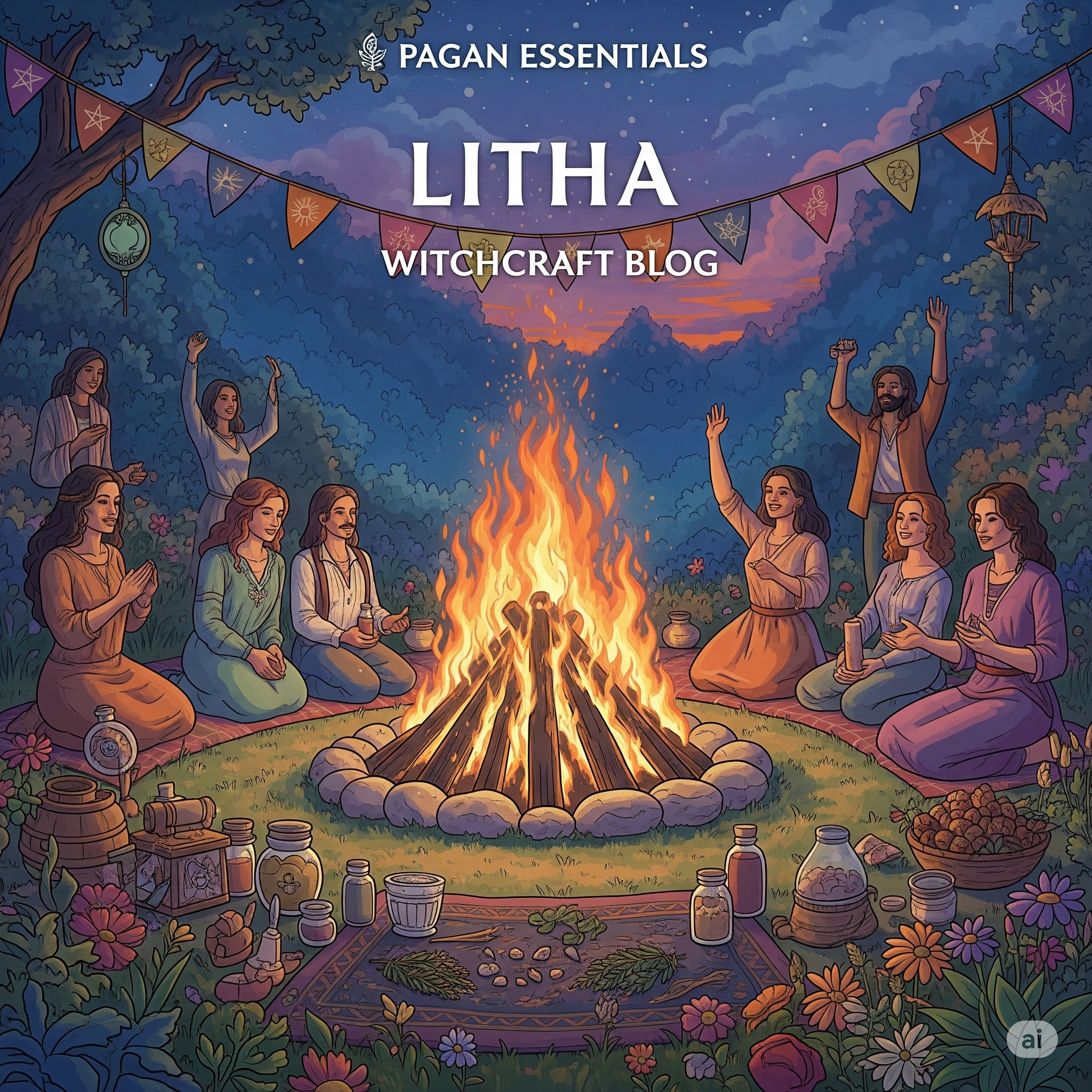
The celebration of the Summer Solstice dates back thousands of years, long before the rise of organized religions. Ancient cultures across the globe recognized and revered this pivotal point in the solar year. From the megalithic structures of Stonehenge, precisely aligned with the solstice sunrise, to the sun worship of the Egyptians and the fire festivals of the Celts, humanity has always acknowledged the sun’s vital role in sustaining life.
Many Litha traditions stem from these ancient practices. Bonfires were lit to honor the sun and offer protection, herbs were gathered for their potent magical properties, and feasts were held to celebrate the bounty of the earth.
The Meaning of Litha
Litha is a time of profound meaning for Pagans:

Litha is a time of profound meaning for Pagans:

  • Peak of Solar Power: It represents the sun at its most powerful, a time of warmth, energy, and vitality.
  • Abundance and Fertility: The earth is fertile, crops are growing, and life is flourishing. It’s a time to acknowledge and appreciate this abundance.
  • Celebration of Light: With the longest daylight hours, Litha is a powerful reminder to embrace light in all its forms โ€“ illumination, joy, and spiritual clarity.
  • Balance: While it’s the peak of the sun’s power, it also marks the turning point where the days will begin to shorten. This subtle shift reminds us of the continuous cycle of life, death, and rebirth.
  • Joy and Merriment: Litha is a time for feasting, dancing, and general revelry, embracing the joyous energy of the season.

To enrich your Litha celebrations, here are some common correspondence:

  • Colors: Gol, yellow, orange, red, green, blue (sky and sea).
  • Deities: Sun gods and goddesses (e.g., Ra, Apollo, Lugh, Sol, Amaterasu), fertility goddesses, mother goddesses.
  • Crystals: Sunstone, Citrine, Carnelian, Amber, Peridot.
  • Herbs & Flowers: Oak, Mistletoe, Lavender, Chamomile, St. John’s Wort, Sunflower, Rose, Daisy.
  • Foods: Seasonal fruits and vegetables, honey, mead, bread, anything sun-shaped.
  • Animals: Bees, butterflies, eagles, lions, horses.
  • Symbols: Sun, fire, oak leaves, circles, wheels.

This ritual can be adapted for solitary practice or a small group.

What you’ll need:

  • A comfortable outdoor space, ideally where you can see the sun (or a window if indoors).
  • A yellow or gold candle.
  • A small offering of fresh fruit, flowers, or a handmade sun symbol.
  • A bowl of water
  • Incense (optional, but a good choice would be frankincense or lemon verbena). * A lighter or matches.
  • Preparation: Cleanse your space, perhaps by sweeping or smudging. Center yourself with a few deep breaths.
  • Cast a Circle (Optional): If you usually cast a circle, do so now.
  • Light the Candle: Light your yellow or gold candle, saying: “Great Sun, at your zenith you stand, Bringing life and warmth to this land. I light this flame to honor your might, And welcome your radiant, abundant light.”
  • Connect with the Sun: Close your eyes and visualize the sun’s warm rays washing over you. Feel its energy filling you with vitality and joy. Imagine the earth beneath you, vibrant and fertile.
  • Offer Gratitude: Hold your offering in your hands and, either aloud or silently, express your gratitude for the sun’s blessings, the abundance of nature, and the joy of the season. You might say: “Blessed be the sun, the bringer of life, Blessed be the earth, bursting with life. I give thanks for this season’s embrace, For abundance, joy, and sacred space.”
  • Offer to the Earth: Place your offering gently on the earth (if outdoors) or near your candle (if indoors).
  • Water Blessing: Dip your fingers into the bowl of water and sprinkle a few drops around your space, saying: “Water of life, flow ever free, Cleanse and refresh, bringing purity.”
  • Meditation/Reflection: Take a few moments to sit in the light of the candle, reflecting on your intentions for the coming half of the year. What do you wish to cultivate? What abundance do you seek?
  • Feast and Merriment (Optional): After your ritual, enjoy a light, seasonal snack and drink. Connect with loved ones or simply enjoy the moment.
  • Close the Ritual: Thank the sun, the earth, and any deities you worked with. Extinguish your candle safely. If you cast a circle, open it now.

Posted on 4 Comments

Beltane 2025: Embracing the Fires of Life

(By Ivyjaded Wyldfyre)

Welcome, dear seekers, to the vibrant heart of spring! As the days lengthen and the earth bursts forth in a riot of color, we arrive at Beltane, a Sabbat brimming with life, passion, and the promise of summer’s bounty. Here at Pagan Essentials, we delve into the essence of this joyous festival, exploring its rich tapestry of correspondences, practices, altar inspiration, and a sample ritual to ignite your own Beltane celebrations.

Beltane, also sometimes called May Day, marks the halfway point between the Spring Equinox (Ostara) and the Summer Solstice (Litha). It’s a time when the veil between the worlds thins, and the potent energies of fertility and growth are at their peak. Our ancestors celebrated this fiery festival with bonfires, dances, and rituals honoring the burgeoning life force of nature. Today, we carry that spirit forward, weaving our own magic into this ancient tapestry.

Unveiling the Correspondences of Beltane

Understanding the energies and symbols associated with Beltane can deepen our connection to the Sabbat. Consider incorporating these correspondences into your celebrations:

 * Themes: Fertility, passion, love, joy, vitality, blossoming, new beginnings, the union of the God and Goddess, protection.

 * Deities: The May Queen and the Green Man (or their local equivalents), Flora, Pan, Cernunnos, any deities associated with love, fertility, and the sun.

 * Colors: Green (for growth and abundance), red (for passion and vitality), white (for purity and new beginnings), yellow (for the sun’s energy).

 * Symbols: Maypoles, bonfires, flowers (especially hawthorn, primrose, and marigolds), ribbons, phallic symbols, yoni symbols, dew.

 * Herbs & Flowers: Hawthorn, gorse, rowan, primrose, elderflower, daisies, all spring blossoms.

 * Incense & Oils: Frankincense, sandalwood, rose, jasmine, ylang-ylang.

 * Stones & Crystals: Rose quartz (for love), carnelian (for passion), emerald (for growth), citrine (for joy and abundance).

 * Animals: Bees (for community and sweetness), rabbits (for fertility), cattle (representing prosperity).

Embracing Beltane Practices

Beltane offers a multitude of ways to connect with its vibrant energy:

 * Dance the Maypole: This iconic tradition symbolizes the union of the God and Goddess and the intertwining of energies. Weave ribbons around a pole, infusing it with your intentions for the season.

 * Leap the Bonfire: Historically a purification and fertility rite, jumping over a small bonfire (with safety as your utmost priority, of course!) can symbolize letting go of the old and embracing new possibilities. Even gazing into the flames can be a powerful meditative practice.

 * Gather May Dew: Collect dew from plants and flowers at dawn on Beltane morning. It’s said to bring beauty, luck, and healing.

 * Create Flower Crowns and Garlands: Adorn yourself and your sacred space with the vibrant blossoms of the season. This act honors the beauty of the earth and connects you to its life force.

 * Feast and Celebrate: Share a meal with loved ones, incorporating seasonal foods like fresh greens, dairy products, and honey. Raise a toast to the abundance of life.

 * Handfasting Rituals: Beltane is a traditional time for handfastings, a commitment ritual that can last for a year and a day or for eternity.

 * Decorate Your Home: Bring the spirit of Beltane indoors with fresh flowers, green foliage, and colorful ribbons.

Crafting Your Beltane Altar

Your altar serves as a focal point for your Beltane workings. Consider these elements when setting it up:

 * A Green or Floral Altar Cloth: To represent the lushness of the season.

 * Candles in Beltane Colors: Green, red, white, and yellow to embody the Sabbat’s energies.

 * Flowers and Greenery: Freshly gathered blossoms, leaves, and branches.

 * Symbols of the God and Goddess: A small statue or representation of the May Queen and the Green Man, or symbols like a wand and a chalice.

 * Offerings: Honey, milk, spring fruits, flower petals, or a small craft you’ve made.

 * Beltane Correspondences: Incorporate stones, herbs, and other symbolic items from the list above.

 * Ribbons: Drape colorful ribbons across your altar or tie them to branches.

 * A Maypole (Miniature or Drawn): If space allows, a small Maypole can be a beautiful addition. Alternatively, draw or print an image of one.

Beltane Ritual

This is a simple ritual you can adapt to your own needs and traditions.

You will need:

 * Your Beltane altar set up.

 * A red candle (representing passion and vitality).

 * A green candle (representing growth and abundance).

 * Incense (frankincense or a floral blend).

 * A bowl of water and a bowl of salt (representing the elements).

ย * Flowers or a flower crown.

The Ritual:

* Prepare Your Space: Cast your circle if you usually do so. Take a few deep breaths to center yourself and connect with the energy of the season.

ย * Opening: Stand before your altar. Say:

    “The wheel turns, and the vibrant energies of Beltane awaken the land. The earth is fertile, the sun is strong, and life bursts forth in glorious abundance.”

ย * Honoring the Elements:

   – Sprinkle a little salt into the bowl of water. Say:

     “I honor the element of Water, the flow of emotions, the wellspring of life.”

   – Light your incense. Say:

     “I honor the element of Air, the breath of inspiration, the winds of change.”


ย * Invoking the Deities (Optional): If you feel called to, invoke the deities of Beltane. For example:

   “Great Goddess, in your guise as the May Queen, radiant and fertile, I welcome your life-giving presence. Green Man, Lord of the Forest, wild and untamed, I honor your vital energy.”


ย * Lighting the Candles: Light the green candle. Say:

   “With this flame, I ignite the spark of growth and abundance within and around me.”

   – Light the red candle. Say:

   “With this flame, I embrace passion, vitality, and the joy of life.”


ย * Working Your Magic: This is the time for any specific workings you wish to do. You might focus on intentions related to love, fertility, creativity, or new beginnings. Visualize your desires taking root and blossoming. You can also dance, sing, or play music.

ย * Connecting with Nature: If possible, step outside and connect with the natural world. Feel the sun on your skin, the earth beneath your feet, and the gentle breeze. Offer thanks for the beauty and abundance around you. You might place your flower crown upon your head as a symbol of connection to the May Queen.

ย * Closing: Give thanks to the elements and any deities you invoked. Say:

   “Thank you, Water, for your nurturing flow. Thank you, Air, for your inspiring breath. Thank you, Great Goddess and Green Man, for the gifts of life and love. May the blessings of Beltane be upon us all.”


ย * Grounding and Centering: Take a few moments to ground yourself. You can do this by visualizing roots extending from your feet into the earth.

ย * Closing the Circle (If Cast): Release the circle in your usual manner.

Beltane is a time of joy, celebration, and embracing the vibrant energy of life. May your celebrations be filled with warmth, passion, and the blossoming of all that you desire. Blessed Be!

By Ivyjaded Wyldfyre for Pagan Essentials

Posted on 1 Comment

Blooming into Balance: Celebrating Ostara 2025

The air is changing. A gentle warmth replaces the winter’s chill, and the world awakens with a vibrant burst of life. Ostara, the Spring Equinox, is upon us! This Pagan Sabbat marks the moment when day and night are of equal length, a perfect balance before the sun’s power begins to dominate. In 2025, we’ll be celebrating Ostara on Thursday, March 20th.

Ostara is a time of renewal, rebirth, and growth. It’s a celebration of the Goddess Ostara (or Eostre), associated with dawn, spring, and fertility, and a welcoming of the returning sun. Let’s delve into how you can celebrate this vibrant Sabbat, whether you’re a solitary practitioner or part of a coven.

๐Ÿ’ซ Correspondences of Ostara

 ๐Ÿ’ซ Deities:

Ostara/Eostre, Persephone, Flora, Green Man, any deities associated with spring, dawn, and fertility.

 ๐Ÿ’ซ Colors:

Pastel shades of green, yellow, pink, white, and light blue.

 ๐Ÿ’ซ Symbols:

Eggs, rabbits, hares, flowers (especially daffodils, tulips, and crocuses), seeds, budding trees, lambs, butterflies.

 ๐Ÿ’ซ Herbs and Flowers:

Daffodils, tulips, crocuses, violets, honeysuckle, sage, and anything new and green.

 ๐Ÿ’ซ Stones:

Rose quartz, aquamarine, moonstone, and any light-colored crystals.

 ๐Ÿ’ซ Incense/Oils:

Floral scents like jasmine, rose, and violet, as well as light, fresh scents like lemon and sandalwood.

 ๐Ÿ’ซ Foods:

Eggs (decorated and plain), leafy greens, spring vegetables, seeds, honey cakes, and fruit.

_______________________________

โœจ Altar Setup

Your Ostara altar should reflect the vibrancy & colors of spring and can be in or outdoors.

Consider:

 โœจ A white or pastel-colored altar cloth.

 โœจ Fresh flowers in a vase.

 โœจ Decorated eggs or a nest of eggs.

 โœจ Images or figurines of rabbits or hares.

 โœจ Seeds or small potted plants.

 โœจ Candles in Ostara colors.

 โœจ Crystals that resonate with the season.

 โœจ A bowl of spring water.

 โœจ A representation of your chosen deities.

_______________________________

๐ŸŒ›Rituals for Ostara
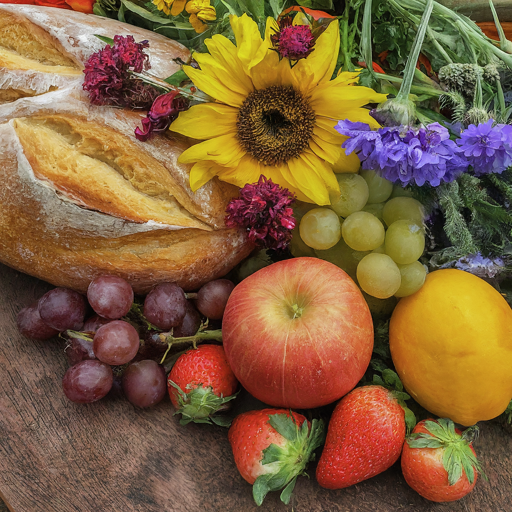
 ๐ŸŒ› Planting Ritual:

Plant seeds or seedlings to symbolize new beginnings and growth. As you plant, speak your intentions aloud.

 ๐ŸŒ› Equinox Meditation:

Find a quiet space and meditate on the balance of light and dark, the renewal of nature, and your own personal growth.

 ๐ŸŒ› Journaling:

Reflect on your goals and intentions for the coming season. Write about what you want to grow and cultivate in your life.

๐ŸŒ› Offering Ritual:

Make offerings to Ostara or your chosen deities, such as flowers, seeds, or honey cakes.

 ๐ŸŒ› Spring Cleansing Ritual:

Cleanse your home and sacred space, both physically and energetically, to make way for new energy. Use sage, palo santo, or spring-scented essential oils.

_______________________________

Solitary Practitioner Activities

 ๐ŸŒŸ Nature Walk:

Spend time in nature, observing the signs of spring. Gather flowers, leaves, or stones to add to your altar.

 ๐ŸŒŸ Crafting:

Create Ostara-themed crafts, such as egg decorations, flower crowns, or nature mandalas.

 ๐ŸŒŸ  Baking:

Bake spring-themed treats, such as honey cakes or egg-rich pastries.

 ๐ŸŒŸ  Dawn Meditation:

Wake up early and greet the sunrise, welcoming the return of the light.

_______________________________

Coven Activities

๐ŸŒŸ Plant a communal garden or tree, symbolizing the coven’s shared growth and intentions.

Continue reading Blooming into Balance: Celebrating Ostara 2025
Posted on 1 Comment

Imbolc 2025

Celebrating Imbolc 2025: A Festival of Light and Renewal

Imbolc is a cherished festival with deep roots in ancient traditions. It marks the halfway point between the winter solstice and the spring equinox. Celebrated on February 1st or 2nd, Imbolc heralds the arrival of spring and symbolizes the return of light after the long, dark winter months. In 2025, Imbolc will be celebrated on February 1st.

Historical Significance

Imbolc comes from the Old Irish word “imbolg,” meaning “in the belly.” This signifies when ewes start to lactate and heralds the start of the agricultural year. This festival is often linked to Brigid. She is the goddess of fertility, healing, and poetry. Brigid embodies the themes of fire and light. As the days grow longer, Imbolc reminds us of the impending renewal of life. It also signals the awakening of the earth.

Rituals and Traditions

Imbolc is rich with rituals and activities that honor the returning light and the goddess Brigid. Here are some common practices:

  • **Lighting Candles**: To symbolize the increasing light, it’s customary to light candles or a bonfire. This act serves as a way to invite warmth and illumination into your home.
  • **Brigidโ€™s Cross**: Crafting a Brigidโ€™s Cross from rushes or straw is a traditional practice. This cross is hung in the home for protection and blessings.
  • **Purification Rituals**: Many celebrate Imbolc by performing purification rituals, such as cleansing their homes with sage or water, symbolizing the removal of negativity and welcoming new energy.
  • **Feasting**: Preparing and sharing a special feast with seasonal foods, such as dairy products, grains, and root vegetables, is a way to honor the earth and its gifts.
  • **Brigidโ€™s Bed**: Some create a special place for Brigid, often a bed adorned with white cloth and flowers, symbolizing her presence and blessings in the household.
  • **Nature Walks**: As the first signs of spring begin to appear, a nature walk can be a beautiful way to connect with the earth and observe the emerging life.

Correspondences

Understanding the correspondences associated with Imbolc can enhance your celebration. Here are some key elements to consider:

  • **Elements**: Fire and Water. Fire symbolizes inspiration and purification, while water represents the renewal of life.
  • **Colors**: White, red, and green. These colors represent purity, fertility, and the budding earth.
  • **Herbs and Plants**: Snowdrops, crocuses, and other early-blooming flowers are associated with Imbolc. Herbs like rosemary, mint, and thyme can also be used in rituals.
  • **Stones**: Clear quartz, amethyst, and garnet are stones that resonate with the energy of Imbolc, promoting clarity and protection.

Conclusion

Imbolc is a beautiful celebration of light, renewal, and the promise of spring. As we gather to honor traditions, perform rituals, and connect with nature, we invite the warmth and growth of the coming season into our lives. Whether you choose to light candles, craft a Brigidโ€™s Cross, or simply enjoy a feast with loved ones, Imbolc is a time to reflect on the light within and the potential that lies ahead in the year to come. Embrace this magical festival, and let the spirit of Imbolc inspire you!

๐ŸŒ›โญ๏ธ๐ŸŒœ

Imbolc Ritual for 2025

**Preparation:**

1. **Set the Space:** Choose a quiet space where you can perform the ritual. Cleanse the area by burning sage or sprinkling salt water.

2. **Gather Supplies:**

  • A candle (preferably white or yellow)
  • A small bowl of water
  • A representation of Brigid (such as a statue, picture, or a handmade Brigidโ€™s cross)
  • Flowers or greenery (like snowdrops or willow branches)
  • Incense (optional)
  • A journal and pen

๐ŸŒŸ

**Ritual Steps:**

1. **Create an Altar:**

  • Place the candle in the center of your altar.
  • Surround it with the flowers or greenery.
  • Position the representation of Brigid and the bowl of water nearby.

2. **Light the Candle:**

  • As you light the candle, say a few words of intention, such as: 

     “As the light returns, so does hope and renewal. I honor Brigid and invite her blessings into my life.”

3. **Invoke Brigid:**

  • Take a moment to meditate on Brigidโ€™s qualities: healing, poetry, and the forge. You may choose to recite a prayer or poem dedicated to her.

4. **Water Blessing:**

  • Dip your fingers into the bowl of water and sprinkle a few drops around your space, symbolizing purification and new beginnings. You can say:

     “With this water, I welcome renewal and clarity into my life.”

5. **Set Intentions:**

  • Write down your intentions or goals for the upcoming season in your journal. Focus on what you want to nurture and bring to fruition. 

   – Once youโ€™ve written them down, hold the paper over the candle flame (safely) to symbolize releasing your intentions into the universe.

6. **Closing:**

  • Thank Brigid for her presence and guidance. Extinguish the candle, knowing that the light continues to grow as the days lengthen.
  • If you like, you can keep the candle as a focus for your intentions throughout the season.

7. **Feasting:**

  • Celebrate with a small meal or snack that includes dairy (symbolizing the lactating ewes), bread, and seasonal vegetables. 

This ritual can be adjusted to fit your personal beliefs and practices. Enjoy the warmth and renewal that Imbolc brings!

Posted on

Lughnasadh 2024

Lughnasadh, also known as Lammas, is a Pagan holiday celebrated on August 1st in the Northern Hemisphere. It marks the beginning of the harvest season and is a time to give thanks for the abundance of the Earth. The origins of Lughnasadh can be traced back to ancient Celtic traditions, particularly the festival dedicated to the Celtic god Lugh, who was associated with craftsmanship, skill, and the harvest.

Lughnasadh is a Celtic fire festival that celebrates the first fruits of the harvest and the blessings of the land. The name Lughnasadh comes from the Celtic god Lugh, who was honored at this time of year for his role in bringing about the successful harvest. The festival was traditionally celebrated with feasting, games, and contests, as well as rituals to ensure a bountiful harvest in the coming year.

One of the key elements of the Lughnasadh celebration is the making of corn dollies, which are braided figures made from the last sheaf of corn harvested from the fields. These corn dollies are often used as symbols of the harvest and are left in the fields as an offering to the land spirits. Another important aspect of the festival is the baking of bread from the newly harvested grains, which is then blessed and shared with the community as a symbol of the Earth’s abundance.

Lughnasadh also has strong associations with the cycle of life and death, as it falls halfway between the summer solstice and the autumn equinox. It is a time to reflect on the turning of the seasons and the impermanence of life, as the energy of the sun begins to wane and the days grow shorter. In many Pagan traditions, Lughnasadh is seen as a time of sacrifice and transformation, when we let go of the things that no longer serve us in order to make way for new growth and abundance.

Correspondences for Lughnasadh include the colors gold, green, and yellow, as well as symbols of the harvest such as cornucopias, wheat sheaves, and sunflowers. The element associated with Lughnasadh is earth, representing the fertile soil that nourishes the crops. Offerings for the festival may include grains, fruits, and bread, as well as herbs such as lavender, rosemary, and sage.

Overall, Lughnasadh is a time to celebrate the fruits of our labor, both literally in terms of the harvest, and metaphorically in terms of our personal growth and achievements. It is a time to give thanks for the abundance of the Earth and to honor the cycle of life and death that sustains us all. Whether you celebrate with a traditional ritual, a feast with loved ones, or a quiet moment of reflection in nature, Lughnasadh is a reminder to be grateful for the blessings that surround us and to sow the seeds of our future intentions with care and intention.

May the spirit of Lughnasadh bless you with abundance, growth, and transformation as you navigate the changing seasons of life.


Posted on

New Moon Rituals for Abundance & Prosperity

Here are some New Moon ritual ideas for attracting prosperity:

  1. Unlocking Prosperity Ritual:
    • Working with the energy of the New Moon can enhance your manifestation efforts. Follow this five-step ritual for abundance:
      • Step 1: Set Intentions: Begin by clarifying your intentions for prosperity. Write down what you desire to attract.
      • Step 2: Cleanse Your Space: Clear your environment by smudging with sage or using other cleansing methods.
      • Step 3: Create an Abundance Altar: Arrange items that symbolize prosperity, such as crystals, coins, or green candles.
      • Step 4: Light Green Candles: Light three green candles and focus on the amount of money you want to attract or the type of abundance you desire.
      • Step 5: Recite a Prosperity Prayer: Use a prayer like this: “From The Light of the Goddess that I Am. From The Love of the Goddess that I Am. From The Power of Goddess that I Am., etc…’
  2. New Moon Money Bath Ritual:
    • Ingredients:
      • Epsom salt
      • Rosemary essential oil
      • Lavender essential oil
      • Three green candles
    • Steps:
      • Fill your bathtub with warm water and add Epsom salt.
      • Add a few drops of rosemary and lavender oils to infuse prosperity energy.
      • Soak in the bath, visualizing abundance flowing into your life like liquid gold.
  3. Money Ritual with Green Candles and Essential Oils:
    • Choose green candles and use essential oils like orange, bergamot, and cinnamon that correspond with abundance and/or prosperity.
    • Express gratitude to the moon and the elements for their assistance in your prosperity ritual.

These rituals will help you align your intentions with the energy of the New Moon. Feel free to adapt them to your personal beliefs and preferences. May your path be filled with abundance! ๐ŸŒ™๐Ÿ’ซ๐Ÿ€