Posted on

Lughnasadh 2024

Lughnasadh, also known as Lammas, is a Pagan holiday celebrated on August 1st in the Northern Hemisphere. It marks the beginning of the harvest season and is a time to give thanks for the abundance of the Earth. The origins of Lughnasadh can be traced back to ancient Celtic traditions, particularly the festival dedicated to the Celtic god Lugh, who was associated with craftsmanship, skill, and the harvest.

Lughnasadh is a Celtic fire festival that celebrates the first fruits of the harvest and the blessings of the land. The name Lughnasadh comes from the Celtic god Lugh, who was honored at this time of year for his role in bringing about the successful harvest. The festival was traditionally celebrated with feasting, games, and contests, as well as rituals to ensure a bountiful harvest in the coming year.

One of the key elements of the Lughnasadh celebration is the making of corn dollies, which are braided figures made from the last sheaf of corn harvested from the fields. These corn dollies are often used as symbols of the harvest and are left in the fields as an offering to the land spirits. Another important aspect of the festival is the baking of bread from the newly harvested grains, which is then blessed and shared with the community as a symbol of the Earth’s abundance.

Lughnasadh also has strong associations with the cycle of life and death, as it falls halfway between the summer solstice and the autumn equinox. It is a time to reflect on the turning of the seasons and the impermanence of life, as the energy of the sun begins to wane and the days grow shorter. In many Pagan traditions, Lughnasadh is seen as a time of sacrifice and transformation, when we let go of the things that no longer serve us in order to make way for new growth and abundance.

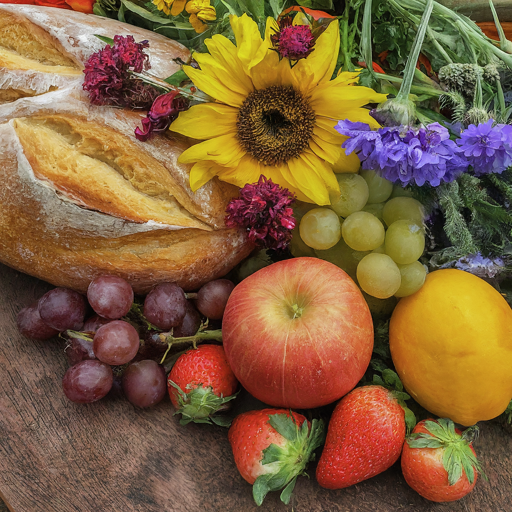
Correspondences for Lughnasadh include the colors gold, green, and yellow, as well as symbols of the harvest such as cornucopias, wheat sheaves, and sunflowers. The element associated with Lughnasadh is earth, representing the fertile soil that nourishes the crops. Offerings for the festival may include grains, fruits, and bread, as well as herbs such as lavender, rosemary, and sage.

Overall, Lughnasadh is a time to celebrate the fruits of our labor, both literally in terms of the harvest, and metaphorically in terms of our personal growth and achievements. It is a time to give thanks for the abundance of the Earth and to honor the cycle of life and death that sustains us all. Whether you celebrate with a traditional ritual, a feast with loved ones, or a quiet moment of reflection in nature, Lughnasadh is a reminder to be grateful for the blessings that surround us and to sow the seeds of our future intentions with care and intention.

May the spirit of Lughnasadh bless you with abundance, growth, and transformation as you navigate the changing seasons of life.


Posted on 1 Comment

The Different Types of Witchcraft

Witchcraft is a diverse and multifaceted practice that encompasses various traditions and practices. Understanding the different types of witchcraft can provide insight into the rich tapestry of this ancient craft. There are several different types of witchcraft, but some of the most common include:

Wicca: Wicca is a modern pagan religion that incorporates elements of witchcraft, nature worship, and magic. It focuses on the worship of the Goddess and the God, along with the practice of rituals, spellcasting, and the observance of the Wheel of the Year. It also adheres to ethical principles such as the Wiccan Rede.

Pagan Witchcraft: Pagan witchcraft draws inspiration from pre-Christian nature-based religions. It emphasizes a deep connection with nature, honoring deities, and celebrating seasonal cycles.

Traditional witchcraft: Traditional witchcraft refers to various pre-modern witchcraft practices that are deeply rooted in folklore and local traditions. It is a practice that has been passed down from generation to generation. It often involves the use of herbs, oils, and crystals for healing and divination and working with spirits, connecting with the land, and folk magic.

Chaos magick: Chaos magick is a type of witchcraft that emphasizes the power of the mind. It is often used for personal transformation and empowerment. Practitioners believe that belief itself is the key ingredient for successful magic rather than adherence to specific rituals or dogmas.

Kitchen Witchcraft: Kitchen Witchcraft is a type of witchcraft that centers around domestic activities, such as cooking, herbalism, and potion=making. Practitioners of Kitchen Witchcraft often incorporate magic into their everyday lives and can be considered the “homemakers” of the magical world.

Hedge Witchcraft: Hedge Witchcraft is associated with connecting and journeying between different realms or dimensions. Hedge Witches often engage in spirit work, divination, healing, and herbalism. They bridge the gap between the physical and spiritual worlds.

Eclectic Witchcraft: Eclectic Witchcraft involves borrowing practices and beliefs from multiple traditions, creating a personalized and flexible approach to witchcraft. Eclectic witches often mix different magical systems, symbols, and rituals to suit their individual preferences.

Shamanic Witchcraft: Shamanic Witchcraft combines elements of shamanism and witchcraft. Practitioners focus on journeying into altered states of consciousness, connecting with their spirit guides or power animals, and using trance work for healing and divination.

Hereditary Witchcraft: Hereditary Witchcraft is passed down through family lineage. It emphasizes ancestral connections, inherited wisdom, and practices specific to a particular family or cultural background.

These are just a few examples of the diverse spectrum of witchcraft practices and there may be variations and subcategories within each. It is important to note that the actual practices and beliefs within each type can vary significantly among individuals and communities.

No matter what type of witchcraft you practice, it is important to remember that it is a spiritual practice. It should be approached with respect and reverence.