Posted on

Yule 2025: Celebrating the Return of the Sun

🎄 The Longest Night is Over!

Welcome, fellow seekers of light! As the Wheel of the Year turns to its darkest point, we arrive at the beautiful and hopeful Sabbat of Yule. This is a powerful, transformative time when we honor the deepest dark and celebrate the miraculous return of the light.

EventDate & Time
YuleSunday, December 21st 2025, at 6:02 am CST
Traditional DurationThe celebration often lasts for 12 days, extending to January 1st (The 12 days of Yule)
SignificanceThe longest night and the official rebirth of the Sun, signaling the shift towards longer days

Yule, or Yuletide, is one of the oldest and most universally recognized winter celebrations, marking the Winter Solstice. It is the shortest day and the longest night of the year in the Northern Hemisphere.

Ancient Roots:

Yule’s roots are deep, tracing back to the Norse, Germanic, and Scandinavian traditions. Originally called Jól (pronounced ‘yohl’), it was a midwinter festival that involved feasting, drinking, and honoring the gods (like Odin/Jolnir) and ancestors during the harshest part of the year.

The Great Cycle:

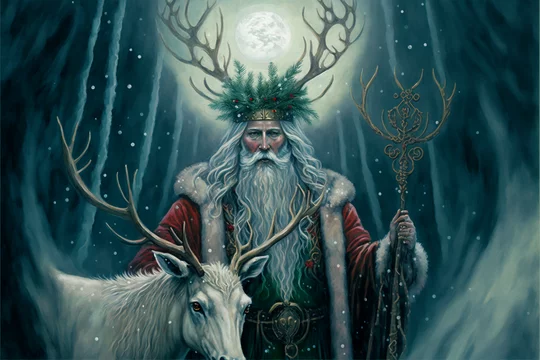
In Wicca and many other Pagan paths, Yule marks the second Sabbat on the Wheel of the Year. We see it as the time when the Oak King (the God of Light and the waxing year) triumphs over the Holly King (the God of Darkness and the waning year). Though the land is still dormant, this victory ensures that the Sun will grow stronger each day until the Summer Solstice. It is a festival of hopeful paradox: recognizing the darkness while celebrating the promise of light, warmth, and life’s continuation.

When preparing your space and practice for Yule, incorporating these traditional correspondences helps align your energy with the Sabbat’s themes of renewal and hope.

CategoryCorrespondences
ThemeRebirth, Renewal, Light, Hope, Introspection, Gratitude, Strength, Protection.
ColorsRed (Fire, Holly, Berries), Green (Evergreens, Life), Gold/Yellow (The Sun), Silver/White (Snow, Moonlight)
StonesRuby, Garnet, Bloodstone, Citrine, Clear Quartz, Snowflake Obsidian, Red Tiger’s Eye
Herbs/
Foliage
Pine, Fir, Cedar, Holly (for Protection), Ivy (for Fidelity), Mistletoe (for Fertility), Bay, Cinnamon, Cloves, Ginger
Food & DrinkRoasted Meats (Especially Pork/Ham), Root Vegetables, Nuts, Apples, Pomegranates, Gingerbread, Mulled Wine or Cider, Eggnog
SymbolsThe Yule Log, Sun Wheels, Evergreens, Wreaths, Bells, Candles, Deer/Stag, Goats

Creating a dedicated space for Yule focuses your intent and energy. Here are some ideas for your Altar:

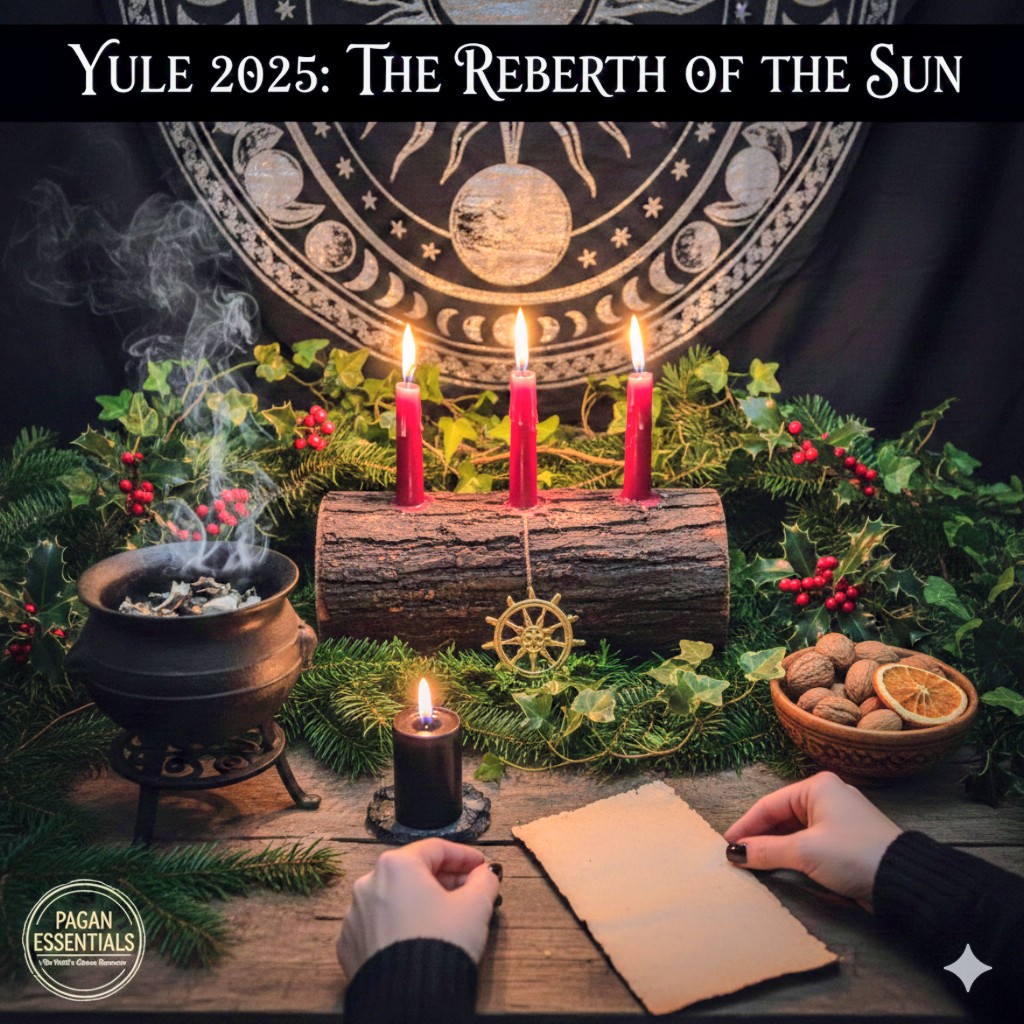
  1. Emphasize Light: Place a central Gold or Yellow candle to represent the newly born Sun. Flank it with red and green candles. If you have a small wooden base, drill three holes and place the candles to create a mini, symbolic Yule Log.
  2. Bring in the Green: Decorate heavily with Evergreens—pine boughs, cedar sprigs, holly, and ivy. These non-dying plants symbolize the promise of eternal life and the resilience of nature in the darkest season.
  3. Natural Offerings: Set out bowls of Nuts (walnuts, hazelnuts) and Seasonal Fruit (oranges, apples, pomegranates). The circle shape of fruit and the hidden potential in nuts beautifully represent the Wheel and the sleeping energy of the Earth.
  4. Solar Symbols: Include items that represent the Sun: a gold disk, sun-shaped ornaments, or a piece of Citrine or Pyrite (Fool’s Gold).
  5. Divination Tools: This is an excellent time for prophecy. Place your Tarot decks, Runes, or Scrying mirror on the altar to ask for guidance for the year ahead.

Yule is a time for joyful celebration and deep, quiet reflection.

  • Burn the Yule Log: This is the most traditional activity. Historically, a log was burned for 12 days. Today, you can use a small log carved with wishes or intentions for the new year. Light it on the Solstice night to help pull the Sun back toward the Earth.
  • Lights, Lights, Lights: Light every candle and string of lights you own! Drive out the symbolic darkness by making your home a beacon of warmth and cheer.
  • Intention Setting: Use the quiet, introspective time of the longest night to reflect on the lessons of the past year and set clear intentions for the waxing year ahead. Write these down.
  • Feasting and Wassailing: Host a Yule Feast with seasonal foods. The tradition of “wassailing” (toasting to health and prosperity) with spiced drinks is a wonderful way to connect with loved ones.
  • Gift Making: Exchange small, handmade gifts infused with magical intent (like a protective charm or a jar spell) rather than mass-produced items.

This ritual is designed to be performed on the night of December 21st to release the darkness and welcome the Sun’s return.

What You’ll Need:

  • Altar Setup: Your prepared Yule altar.
  • Candles: One Black candle (to represent the waning year/darkness) and one Gold/Yellow candle (to represent the reborn Sun/waxing year).
  • Paper & Pen: For writing down what you want to release.
  • Fire-safe dish: a cauldron or metal bowl.
  • Evergreen sprig: Pine or Cedar.

The Ritual Steps:

  1. Preparation and Grounding: Light a bit of cinnamon or pine incense. Take three deep, cleansing breaths. Light your Black Candle first, acknowledging the darkness of the year that is ending.
  2. Release the Dark: Take your paper and pen. Spend a few minutes reflecting on any fears, disappointments, negative habits, or resentments you wish to leave behind in the old year. Write them down one by one.
    • Incantation: Hold the list over the black candle (safely!) and say:”Holly King, Lord of Darkness, thank you for the lessons learned in the waning light. I release these burdens to the longest night.
    • “Carefully and mindfully, place the paper in your fire-safe dish and allow it to burn completely to ash, visualizing the negativity dissolving.
  3. Welcome the Light: Extinguish the Black Candle completely, symbolizing the end of the long night and the darkness you have released. Now, light your Gold/Yellow Candle.
    • Incantation: As you light the Gold Candle, say:”Oak King, Lord of Light, I welcome you! With the Sun’s rebirth, I am reborn. I accept the strength, hope, and warmth you bring. Let the days lengthen and my spirit soar.”
  4. Infuse with Life: Take your Evergreen sprig. Hold it over the flame of the Gold Candle (without touching the flame) and focus on the vitality of the plant—it remains green even in winter. Visualize the Sun’s energy flooding into it.
  5. Affirmation: Place the evergreen sprig on your altar or near a window. Spend a final few minutes in silence, basking in the light of the Gold Candle and feeling the energy of renewal fill you.
  6. Closing: Thank the elements and the spirits of the season. Let the Gold Candle burn down safely or extinguish it when you are ready, knowing the light has returned.

We hope this resource helps you plan a powerful and meaningful Yule celebration! May the returning Sun bring you warmth, abundance, and renewed light in the coming year!

Posted on

Mabon: A Time of Harvest and Balance

By Ivyjaded Wyldfyre  at Pagan Essentials

As the Wheel of the Year turns, we arrive at Mabon, the Autumn Equinox, a time of balance, gratitude, and the second harvest. For those of us in the Northern Hemisphere, this Sabbat marks the official start of autumn, when day and night stand in perfect equilibrium before the nights begin to lengthen.

When is Mabon 2025?

In 2025, Mabon in the Northern Hemisphere will occur on Monday, September 22nd.

The History of Mabon

While the name “Mabon” itself is a modern invention coined by Aidan Kelly in the 1970s, the celebration of the Autumn Equinox is ancient and deeply rooted in agricultural societies. Across various cultures, this time of year has always been dedicated to giving thanks for the bounty of the harvest, preparing for the colder months ahead, and acknowledging the changing seasons. It was a time of feasting, community gathering, and honoring the generous Earth.

Correspondences of Mabon

​Mabon is rich with symbolic correspondences that reflect its themes of harvest, balance, and gratitude.

  • Colors: Red, orange, yellow, brown, gold, deep greens, maroon.
  • Symbols: Cornucopia, baskets, sickles, acorns, pinecones, leaves, grapes, apples, pomegranates, squash, pumpkins, gourds, wine, bread.
  • Deities: Mabon Ap Modron (Welsh God of Light), Persephone, Demeter, John Barleycorn, Dionysus, Ceres, Inanna, Modron.
  • Herbs & Plants: Mugwort, rue, sage, yarrow, rosemary, frankincense, myrrh, oak, hazel, pine, cypress, cedar.
  • Crystals: Sapphire, amber, citrine, aventurine, carnelian, jasper, topaz, Lapis lazuli, agate, tiger’s eye
  • Animals: Deer, owl, wolf, bear, salmon.
  • Themes: Gratitude, balance, reflection, harvesting, abundance, protection, preparation, letting go, equality.

An Example Mabon Altar

Creating a Mabon altar is a wonderful way to honor the Sabbat and bring its energy into your home. Here’s an idea for inspiration:

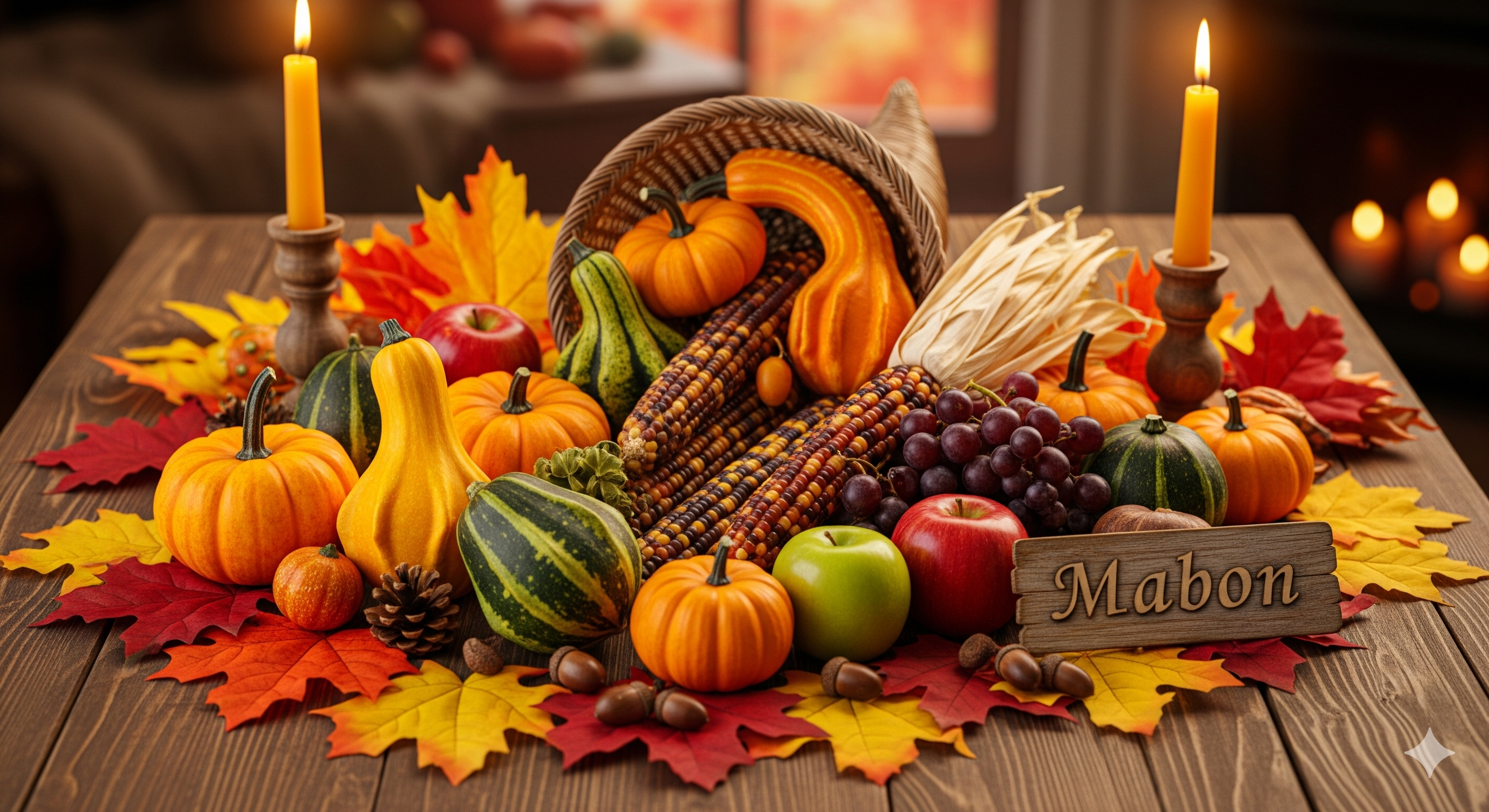
Set out a rich, autumnal-colored cloth, perhaps in deep red or orange. In the center, place a cornucopia overflowing with small gourds, miniature pumpkins, apples, and ears of corn. Add candles in colors like gold, brown, or deep green. You might include representations of deities associated with Mabon, such as a statue of Demeter or a symbol of the Horned God. Scatter fallen leaves, acorns, and pinecones around the base. Include any crystals that resonate with Mabon’s energy, and perhaps a small chalice for offerings of cider or wine.

Mabon Activities to Participate In

There are many ways to celebrate Mabon and connect with its energies:

  1. Harvesting & Foraging: If possible, gather late-season herbs, fruits, or nuts. Even a trip to a local apple orchard or pumpkin patch can be a wonderful way to connect with the harvest.
  2. Feasting: Prepare a special meal using seasonal ingredients like apples, squash, corn, and root vegetables. Share it with loved ones as an act of gratitude for abundance.
  3. Nature Walks: Spend time in nature, observing the changing leaves and feeling the shift in the air. Collect fallen leaves, acorns, and other natural treasures.
  4. Autumn Decorating: Adorn your home with natural elements like gourds, pumpkins, dried corn, and colorful leaves.
  5. Gratitude Practice: Take time to reflect on the blessings and harvests in your life, both tangible and intangible. Keep a gratitude journal.
  6. Canning & Preserving: Engage in the traditional act of preserving food for the winter months, symbolizing preparation and self-sufficiency.
  7. Sabbat Cleaning: Just as nature is letting go, consider decluttering and cleansing your home to make space for new energies.
  8. Baking: Bake apple pies, pumpkin bread, or corn muffins as offerings or to share.

An Example Mabon Ritual: A Simple Gratitude Offering

This simple ritual can be performed alone or with others.

Supplies Needed:

  • ​A small piece of bread (homemade if possible)
  • ​A cup of cider, wine, or water
  • ​A quiet space, preferably outdoors or near your altar
  • A candle (optional)

The Ritual:

  1. Center Yourself: Find a comfortable position. Take a few deep breaths, grounding yourself to the Earth. If using a candle, light it now.
  2. Acknowledge the Season: Say aloud: “The wheel turns, and day and night stand in perfect balance. We welcome Mabon, the time of the second harvest, a moment of gratitude and reflection.”
  3. Offer the Bread: Hold the piece of bread in your hands. Reflect on the bounty it represents – the sun, rain, earth, and labor that brought it forth. Say: “For the gifts of the Earth, for the abundance in my life, for the nourishment of body and spirit, I am thankful.” Break off a piece and place it outside (if safe for wildlife) or on your altar as an offering.
  4. Offer the Drink: Hold the cup. Reflect on the sustenance and joy it brings. Say: “For the flowing waters, for the fruits of the vine, for health and vitality, I give thanks.” Pour a small amount outside or on your altar.
  5. Personal Gratitude: Take a moment to silently or audibly list specific things you are grateful for in your life right now.
  6. Release and Balance: Acknowledge the balance of Mabon. Say: “As light and dark find equilibrium, I seek balance within myself. I release what no longer serves me and embrace the wisdom of the changing seasons.”
  7. Closing: Thank the spirits of the season, your guides, or the divine as you understand them. Take a final deep breath. If you lit a candle, safely extinguish it.

May your Mabon be filled with abundance, gratitude, and perfect balance!

Do you have any specific Mabon traditions you’d like to share, or would you like to see an image of a Mabon altar?

Mabon Altar
Posted on 1 Comment

Imbolc 2025

Celebrating Imbolc 2025: A Festival of Light and Renewal

Imbolc is a cherished festival with deep roots in ancient traditions. It marks the halfway point between the winter solstice and the spring equinox. Celebrated on February 1st or 2nd, Imbolc heralds the arrival of spring and symbolizes the return of light after the long, dark winter months. In 2025, Imbolc will be celebrated on February 1st.

Historical Significance

Imbolc comes from the Old Irish word “imbolg,” meaning “in the belly.” This signifies when ewes start to lactate and heralds the start of the agricultural year. This festival is often linked to Brigid. She is the goddess of fertility, healing, and poetry. Brigid embodies the themes of fire and light. As the days grow longer, Imbolc reminds us of the impending renewal of life. It also signals the awakening of the earth.

Rituals and Traditions

Imbolc is rich with rituals and activities that honor the returning light and the goddess Brigid. Here are some common practices:

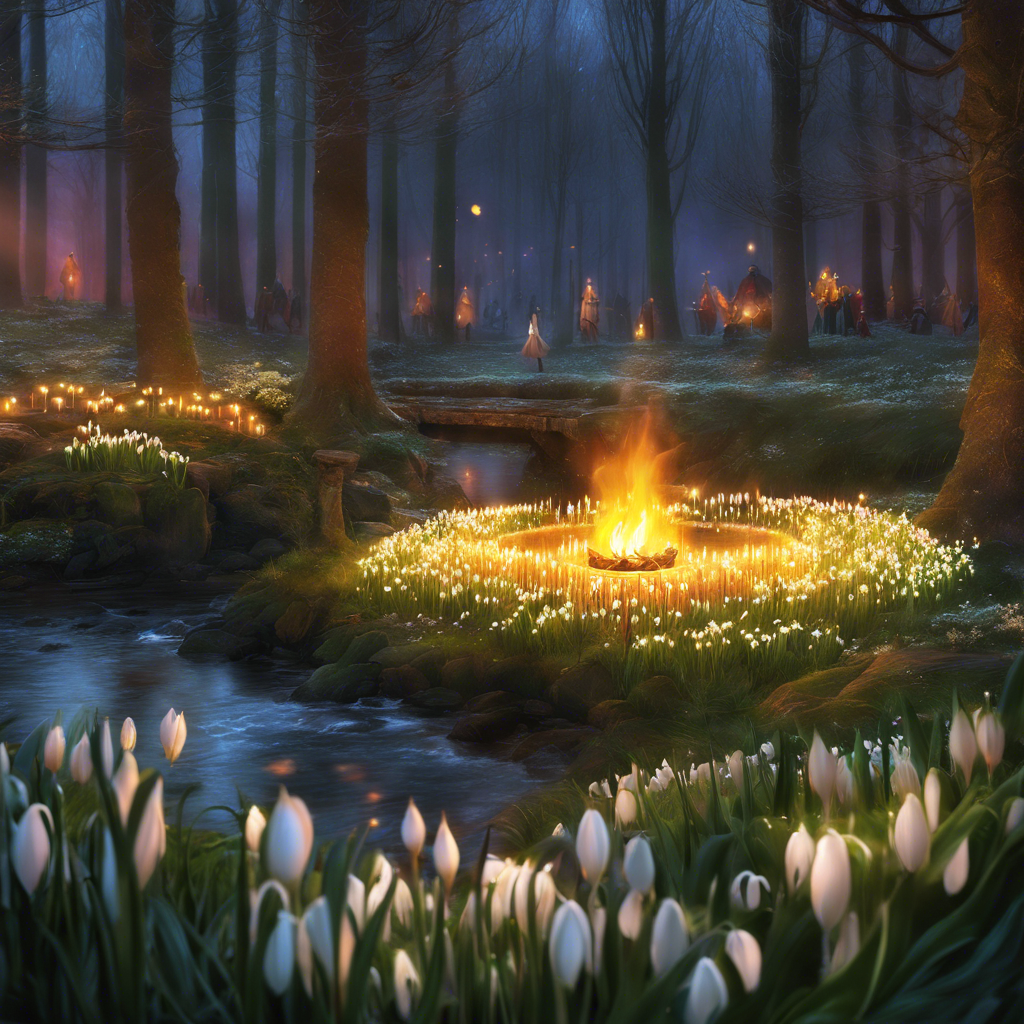
  • **Lighting Candles**: To symbolize the increasing light, it’s customary to light candles or a bonfire. This act serves as a way to invite warmth and illumination into your home.
  • **Brigid’s Cross**: Crafting a Brigid’s Cross from rushes or straw is a traditional practice. This cross is hung in the home for protection and blessings.
  • **Purification Rituals**: Many celebrate Imbolc by performing purification rituals, such as cleansing their homes with sage or water, symbolizing the removal of negativity and welcoming new energy.
  • **Feasting**: Preparing and sharing a special feast with seasonal foods, such as dairy products, grains, and root vegetables, is a way to honor the earth and its gifts.
  • **Brigid’s Bed**: Some create a special place for Brigid, often a bed adorned with white cloth and flowers, symbolizing her presence and blessings in the household.
  • **Nature Walks**: As the first signs of spring begin to appear, a nature walk can be a beautiful way to connect with the earth and observe the emerging life.

Correspondences

Understanding the correspondences associated with Imbolc can enhance your celebration. Here are some key elements to consider:

  • **Elements**: Fire and Water. Fire symbolizes inspiration and purification, while water represents the renewal of life.
  • **Colors**: White, red, and green. These colors represent purity, fertility, and the budding earth.
  • **Herbs and Plants**: Snowdrops, crocuses, and other early-blooming flowers are associated with Imbolc. Herbs like rosemary, mint, and thyme can also be used in rituals.
  • **Stones**: Clear quartz, amethyst, and garnet are stones that resonate with the energy of Imbolc, promoting clarity and protection.

Conclusion

Imbolc is a beautiful celebration of light, renewal, and the promise of spring. As we gather to honor traditions, perform rituals, and connect with nature, we invite the warmth and growth of the coming season into our lives. Whether you choose to light candles, craft a Brigid’s Cross, or simply enjoy a feast with loved ones, Imbolc is a time to reflect on the light within and the potential that lies ahead in the year to come. Embrace this magical festival, and let the spirit of Imbolc inspire you!

🌛⭐️🌜

Imbolc Ritual for 2025

**Preparation:**

1. **Set the Space:** Choose a quiet space where you can perform the ritual. Cleanse the area by burning sage or sprinkling salt water.

2. **Gather Supplies:**

  • A candle (preferably white or yellow)
  • A small bowl of water
  • A representation of Brigid (such as a statue, picture, or a handmade Brigid’s cross)
  • Flowers or greenery (like snowdrops or willow branches)
  • Incense (optional)
  • A journal and pen

🌟

**Ritual Steps:**

1. **Create an Altar:**

  • Place the candle in the center of your altar.
  • Surround it with the flowers or greenery.
  • Position the representation of Brigid and the bowl of water nearby.

2. **Light the Candle:**

  • As you light the candle, say a few words of intention, such as: 

     “As the light returns, so does hope and renewal. I honor Brigid and invite her blessings into my life.”

3. **Invoke Brigid:**

  • Take a moment to meditate on Brigid’s qualities: healing, poetry, and the forge. You may choose to recite a prayer or poem dedicated to her.

4. **Water Blessing:**

  • Dip your fingers into the bowl of water and sprinkle a few drops around your space, symbolizing purification and new beginnings. You can say:

     “With this water, I welcome renewal and clarity into my life.”

5. **Set Intentions:**

  • Write down your intentions or goals for the upcoming season in your journal. Focus on what you want to nurture and bring to fruition. 

   – Once you’ve written them down, hold the paper over the candle flame (safely) to symbolize releasing your intentions into the universe.

6. **Closing:**

  • Thank Brigid for her presence and guidance. Extinguish the candle, knowing that the light continues to grow as the days lengthen.
  • If you like, you can keep the candle as a focus for your intentions throughout the season.

7. **Feasting:**

  • Celebrate with a small meal or snack that includes dairy (symbolizing the lactating ewes), bread, and seasonal vegetables. 

This ritual can be adjusted to fit your personal beliefs and practices. Enjoy the warmth and renewal that Imbolc brings!

Posted on 1 Comment

Yuletide Magic: Celebrating the Winter Solstice

A blog post for witches and magic enthusiasts~

God Odin

Yule, the Winter Solstice,  marks the turning of the Wheel of the Year and is a time of renewal, rebirth, and the triumph of light over darkness. It’s a magical time to connect with the natural world and harness energy for your spells and rituals.


When is Yule?

The Winter Solstice typically falls on December 21st or 22nd in the Northern Hemisphere. It marks the shortest day and longest night of the year, symbolizing the death of the old year and birth of the new.


Yule Correspondence~

  • Colors: Red, green, gold, and white
  • Herbs: Holly, ivy, mistletoe, pine needles, rosemary, and cinnamon
  • Stones: Ruby, emerald, garnet, clear quartz
  • Deities: Freya, Odin, Sol Invictus
  • Animals: Deer, owl, bear, fox
  • Scents: Pine, cinnamon, frankincense, and myrrh

Yule Ritual Ideas:

Yule Log Ceremony ~

Purpose – to symbolize the cycle of life, death, and rebirth

  • Gather a Yule log, preferably from an Evergreen tree
  • Decorate it with ribbons, pine cones, or other natural adornments
  • As you light the log, say a prayer of intention for the coming year
  • Let the log burn slowly, symbolizing the passing of the old and the birth of the new

Winter Solstice Spell ~

Purpose – to manifest intentions for the coming year

  • Gather your Yule Correspondence – Red and green candles, a sprig of Holly, and a piece of paper
  • Write your intentions clearly and concisely for the New Year on the paper
  • Light the candles and burn the paper, visualizing your desires manifesting
  • As the papers burn, say: “Winter’s night is fading fast, A new year dawns, a hopeful cast. Let light and love now fill the air, as I release old worries and care.”

Decorate your Altar ~

  • Adorn your Altar with Yule symbols like evergreen boughs, red, green, and gold candles, and pinecones and ribbon
  • Place a Yule log or small candle in the center to represent the returning sun
  • Include offerings for the gods and spirits, such as honey, wine, and fresh fruit

Yuletide Magic Tips ~

  • Nature connection – spend time outdoors, connecting with the natural world. Take a walk in the forest or simply observe the Winter sky
  • Reflect on the blessings in your life – write down things you are grateful for in the past year, and express gratitude
  • Self-Care – practice self-care rituals like taking a warm bath, meditating, listening to music or reading a good book
  • Community – gather with friends and family to celebrate the season and share warmth and joy.

By incorporating these rituals and practices into your Yule celebrations, you can harness the powerful energy of the Winter Solstice and manifest your intentions for the coming year

Happy Yule!

Pagan Essentials Llc

Subscribe to continue reading

Subscribe to get access to the rest of this post and other subscriber-only content.

Posted on

Litha: The Midsummer Sabbat Soltice Celebration

Welcome to the radiant zenith of the Sun’s journey, as we embrace the longest day and the shortest night of the year. Litha, also known as Midsummer or the Summer Solstice, is a time of intense power, magic, and celebration. As witches, pagans, and followers of the old ways, we gather to honor the full strength of the Sun, revel in the abundance of the Earth, and acknowledge the fleeting nature of light and darkness.

In this sacred season, we stand at the threshold of two worlds, where the veil between the seen and unseen is as thin as the new moon’s crescent. The fires of Litha ignite our passions, fuel our dreams, and cleanse our spirits. Join us as we delve into the ancient traditions, modern practices, and the enchanting lore of this sabbat. Whether you’re dancing around the bonfire, crafting sun-infused charms, or simply soaking in the warmth of the season, Litha is a time to celebrate life’s bounty and the fire within us all.

Let’s explore the mysteries and the joy of Litha together, as we turn the Wheel of the Year and bask in the Sun’s glorious light. 🔮✨


Welcome to Pagan Essentials, where we explore and celebrate the rich traditions of modern witchcraft and Paganism. As the Wheel of the Year turns, we now find ourselves approaching Litha, also known as the Summer Solstice. This powerful Sabbat marks the longest day and the shortest night of the year, a time of abundant energy, growth, and celebration.


Litha, typically celebrated around June 20th to 23rd in the Northern Hemisphere, is a time to honor the sun at its peak. The word “Litha” is believed to derive from the Anglo-Saxon term for the months of June and July. This Sabbat is a celebration of light, warmth, and life. It’s a time to acknowledge the power of the sun and its role in nourishing the Earth.

In many traditions, Litha is seen as a time when the Oak King, who reigns from Yule to Litha, is overthrown by the Holly King, who will rule from Litha to Yule. This symbolic battle represents the shifting balance between light and dark as the days begin to shorten once more.


Litha is a vibrant and joyous Sabbat, and there are many ways to celebrate its energies. Here are some popular traditions and rituals:

  1. Bonfires and Fire Magic: Lighting a bonfire is a traditional way to celebrate Litha. The fire symbolizes the sun at its zenith and is believed to ward off evil spirits. Jumping over the fire (safely, of course) is a custom thought to bring good fortune and protection.
  2. Sun Offerings: Create a solar altar with sun symbols, yellow and gold candles, and sunflowers. Offerings of fresh fruits, especially those that thrive in the summer like strawberries and peaches, can be made to honor the sun’s bounty.
  3. Nature Walks and Flower Gatherings: Spend time outdoors, reveling in the beauty of nature at its most lush. Gather herbs and flowers such as lavender, St. John’s Wort, and yarrow, which are believed to hold special power during this time.
  4. Midsummer Feasts: Celebrate with a feast that includes summer fruits, fresh vegetables, and honey-based treats. Sharing food with loved ones under the sun or moon strengthens communal bonds and honors the Earth’s gifts.
  5. Divination: The energy of Litha is potent for divination. Use tools like tarot cards, runes, or a pendulum to gain insight and guidance. The heightened energy can provide clearer visions and stronger intuitions.
  6. Meditation and Reflection: While Litha is a time of celebration, it’s also a moment to reflect on personal growth and the goals you set at the beginning of the year. Meditate on the progress you’ve made and set intentions for the remaining year.

  • Create a Litha Wreath: Make a wreath using flowers, herbs, and greenery that symbolize the sun and growth. Hang it on your door to welcome positive energy into your home.
  • Make Sun Water: Charge water under the midday sun and use it for rituals, spells, or as a refreshing drink infused with solar energy.
  • Decorate with Sun Symbols: Use images of the sun, sunflowers, and solar colors (yellow, gold, orange) in your home and sacred space.

Litha is an excellent time to honor deities associated with the sun, such as:

  • Apollo: The Greek god of the sun, music, and prophecy.
  • Ra: The Egyptian sun god.
  • Helios: The Greek personification of the sun.
  • Amaterasu: The Japanese sun goddess.

Set up an altar with symbols and offerings that resonate with your chosen deity to strengthen your connection and invite their blessings.


Ultimately, Litha is about embracing the peak of life and the height of light. It’s a time to celebrate abundance, personal power, and the beauty of nature. Whether you gather with a coven, family, friends, or spend the day in solitary reflection, let the energy of the sun fill you with warmth, inspiration, and joy.

May your Litha be filled with light, love, and lasting memories. Blessed be!