At Pagan Essentials, we take your spiritual growth seriously. Please keep the following in mind while browsing our services:
Free Will: Magick influences energy, but it does not override human free will.
Professional Advice: Our readings and spells are for spiritual guidance and entertainment purposes only. They are not a substitute for legal, medical, or financial advice.
Digital Delivery: All Numerology and Tarot reports are sent via the email provided at checkout. Ensure your "Spam" folder hasn't swallowed your destiny! Dismiss
Welcome to the radiant zenith of the Sun’s journey, as we embrace the longest day and the shortest night of the year. Litha, also known as Midsummer or the Summer Solstice, is a time of intense power, magic, and celebration. As witches, pagans, and followers of the old ways, we gather to honor the full strength of the Sun, revel in the abundance of the Earth, and acknowledge the fleeting nature of light and darkness.
In this sacred season, we stand at the threshold of two worlds, where the veil between the seen and unseen is as thin as the new moon’s crescent. The fires of Litha ignite our passions, fuel our dreams, and cleanse our spirits. Join us as we delve into the ancient traditions, modern practices, and the enchanting lore of this sabbat. Whether you’re dancing around the bonfire, crafting sun-infused charms, or simply soaking in the warmth of the season, Litha is a time to celebrate life’s bounty and the fire within us all.
Let’s explore the mysteries and the joy of Litha together, as we turn the Wheel of the Year and bask in the Sun’s glorious light. 🔮✨
Celebrating Litha: The Summer Solstice Sabbat
Welcome to Pagan Essentials, where we explore and celebrate the rich traditions of modern witchcraft and Paganism. As the Wheel of the Year turns, we now find ourselves approaching Litha, also known as the Summer Solstice. This powerful Sabbat marks the longest day and the shortest night of the year, a time of abundant energy, growth, and celebration.
The Significance of Litha
Litha, typically celebrated around June 20th to 23rd in the Northern Hemisphere, is a time to honor the sun at its peak. The word “Litha” is believed to derive from the Anglo-Saxon term for the months of June and July. This Sabbat is a celebration of light, warmth, and life. It’s a time to acknowledge the power of the sun and its role in nourishing the Earth.
In many traditions, Litha is seen as a time when the Oak King, who reigns from Yule to Litha, is overthrown by the Holly King, who will rule from Litha to Yule. This symbolic battle represents the shifting balance between light and dark as the days begin to shorten once more.
Rituals and Traditions
Litha is a vibrant and joyous Sabbat, and there are many ways to celebrate its energies. Here are some popular traditions and rituals:
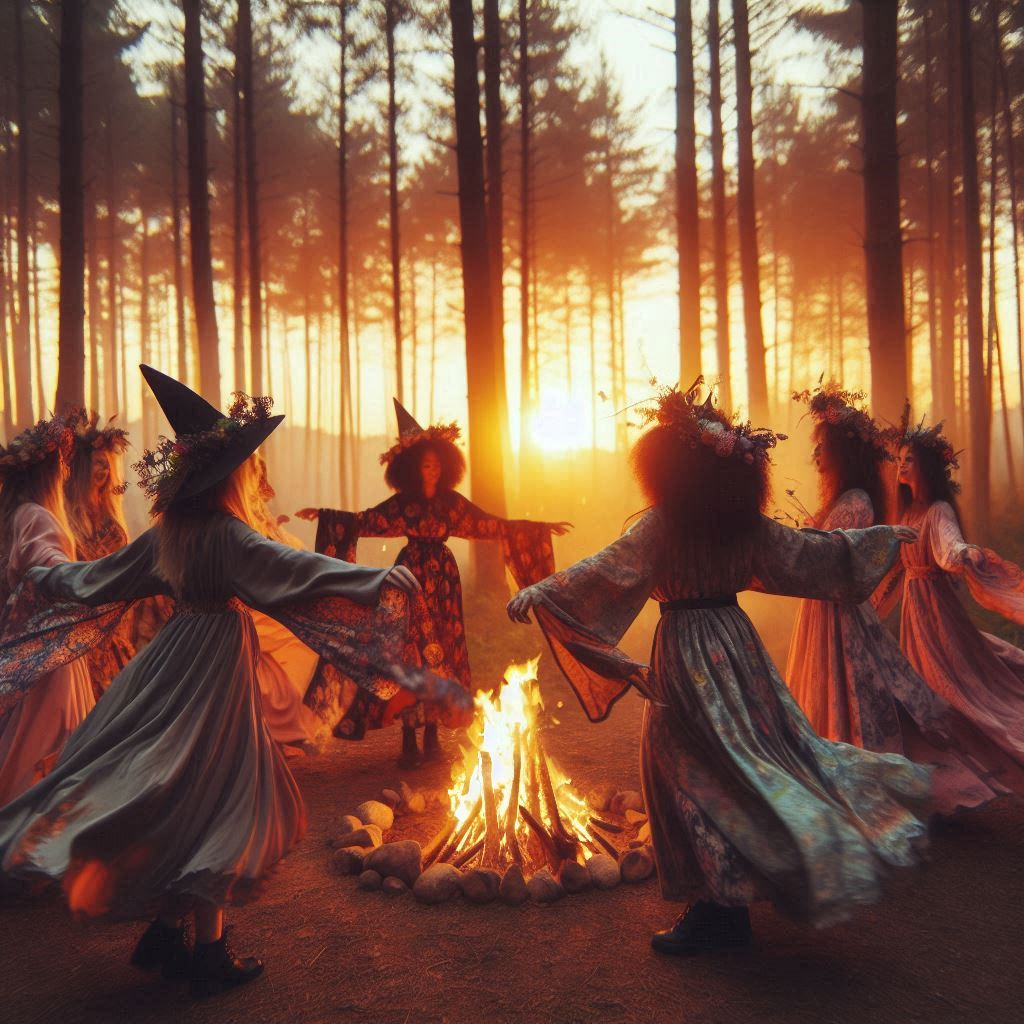
Bonfires and Fire Magic: Lighting a bonfire is a traditional way to celebrate Litha. The fire symbolizes the sun at its zenith and is believed to ward off evil spirits. Jumping over the fire (safely, of course) is a custom thought to bring good fortune and protection.
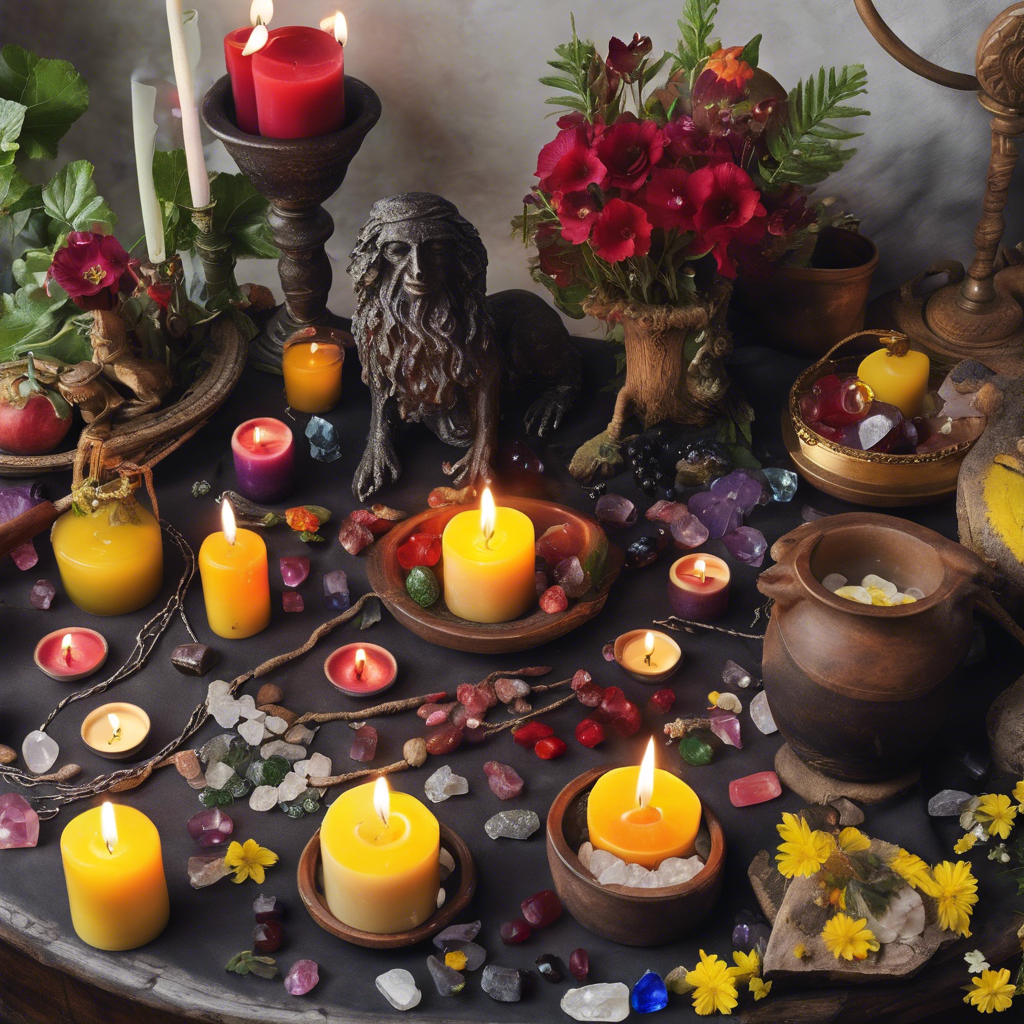
Sun Offerings: Create a solar altar with sun symbols, yellow and gold candles, and sunflowers. Offerings of fresh fruits, especially those that thrive in the summer like strawberries and peaches, can be made to honor the sun’s bounty.
Nature Walks and Flower Gatherings: Spend time outdoors, reveling in the beauty of nature at its most lush. Gather herbs and flowers such as lavender, St. John’s Wort, and yarrow, which are believed to hold special power during this time.
Midsummer Feasts: Celebrate with a feast that includes summer fruits, fresh vegetables, and honey-based treats. Sharing food with loved ones under the sun or moon strengthens communal bonds and honors the Earth’s gifts.
Divination: The energy of Litha is potent for divination. Use tools like tarot cards, runes, or a pendulum to gain insight and guidance. The heightened energy can provide clearer visions and stronger intuitions.
Meditation and Reflection: While Litha is a time of celebration, it’s also a moment to reflect on personal growth and the goals you set at the beginning of the year. Meditate on the progress you’ve made and set intentions for the remaining year.
Crafting and Activities
Create a Litha Wreath: Make a wreath using flowers, herbs, and greenery that symbolize the sun and growth. Hang it on your door to welcome positive energy into your home.
Make Sun Water: Charge water under the midday sun and use it for rituals, spells, or as a refreshing drink infused with solar energy.
Decorate with Sun Symbols: Use images of the sun, sunflowers, and solar colors (yellow, gold, orange) in your home and sacred space.
Honoring the Deities
Litha is an excellent time to honor deities associated with the sun, such as:
Apollo: The Greek god of the sun, music, and prophecy.
Ra: The Egyptian sun god.
Helios: The Greek personification of the sun.
Amaterasu: The Japanese sun goddess.
Set up an altar with symbols and offerings that resonate with your chosen deity to strengthen your connection and invite their blessings.
Embracing the Spirit of Litha
Ultimately, Litha is about embracing the peak of life and the height of light. It’s a time to celebrate abundance, personal power, and the beauty of nature. Whether you gather with a coven, family, friends, or spend the day in solitary reflection, let the energy of the sun fill you with warmth, inspiration, and joy.
May your Litha be filled with light, love, and lasting memories. Blessed be!
In the realm of witchcraft, the moon holds a profound and sacred significance, serving as a powerful source of energy and inspiration for magical workings. The phases of the moon, with their unique energies and associations, play a vital role in the practice of witchcraft, influencing spells, rituals, and manifestations.
The Significance of the Moon in Witchcraft
Witches have long revered the moon as a symbol of intuition, mystery, and magic. Its cyclical nature, waxing and waning through different phases, mirrors the rhythms of life, death, and rebirth. The moon is believed to govern the ebb and flow of energy, influencing emotions, psychic abilities, and spiritual growth. In witchcraft, the moon is seen as a powerful ally, guiding practitioners in their mystical pursuits and enhancing their magical intentions. 🌛
The Different Phases of the Moon and Their Energies
Each phase of the moon carries its own unique energy and symbolism, affecting the types of magic that are most potent during that time. Here are the primary phases of the moon and their associated energies:
New Moon
The new moon represents beginnings, new opportunities, and setting intentions. It is a time for planting seeds of desire and initiating new projects.
Waxing Moon
As the moon grows in size, so does its energy. The waxing moon is ideal for attracting abundance, growth, and manifestation. Spells for prosperity, success, and creativity are particularly effective during this phase.
Full Moon
The full moon is a time of heightened energy, illumination, and completion. It is a powerful time for divination, charging crystals, and performing spells that require extra strength and clarity.
Waning Moon
As the moon decreases in size, it is a period for releasing, banishing and letting go. The waning moon is ideal for cleansing rituals, breaking bad habits, and removing obstacles in one’s path.
Dark Moon
The dark moon is a time of introspection, reflection, and deep transformation. It is a potent period for shadow work, psychic exploration, and connecting with the unseen realms.
🌛
Harnessing Lunar Cycles for Magical Workings
By aligning with the phases of the moon, witches can amplify the power of their spells and rituals, tapping into the natural rhythms of the universe. Here are some ways to harness lunar energies for magical workings:
Setting Intentions
Use the energy of the new moon to set intentions and plant the seeds of your desires. Write down your goals, dreams, or wishes and charge them under the new moon to manifest them into reality.
Rituals and Spells
Tailor your rituals and spells to the corresponding phas0e of the moon. For example, perform abundance spells during the waxing moon, divination rituals during the full moon, and banishing spells during the waning moon.
Charging Tools
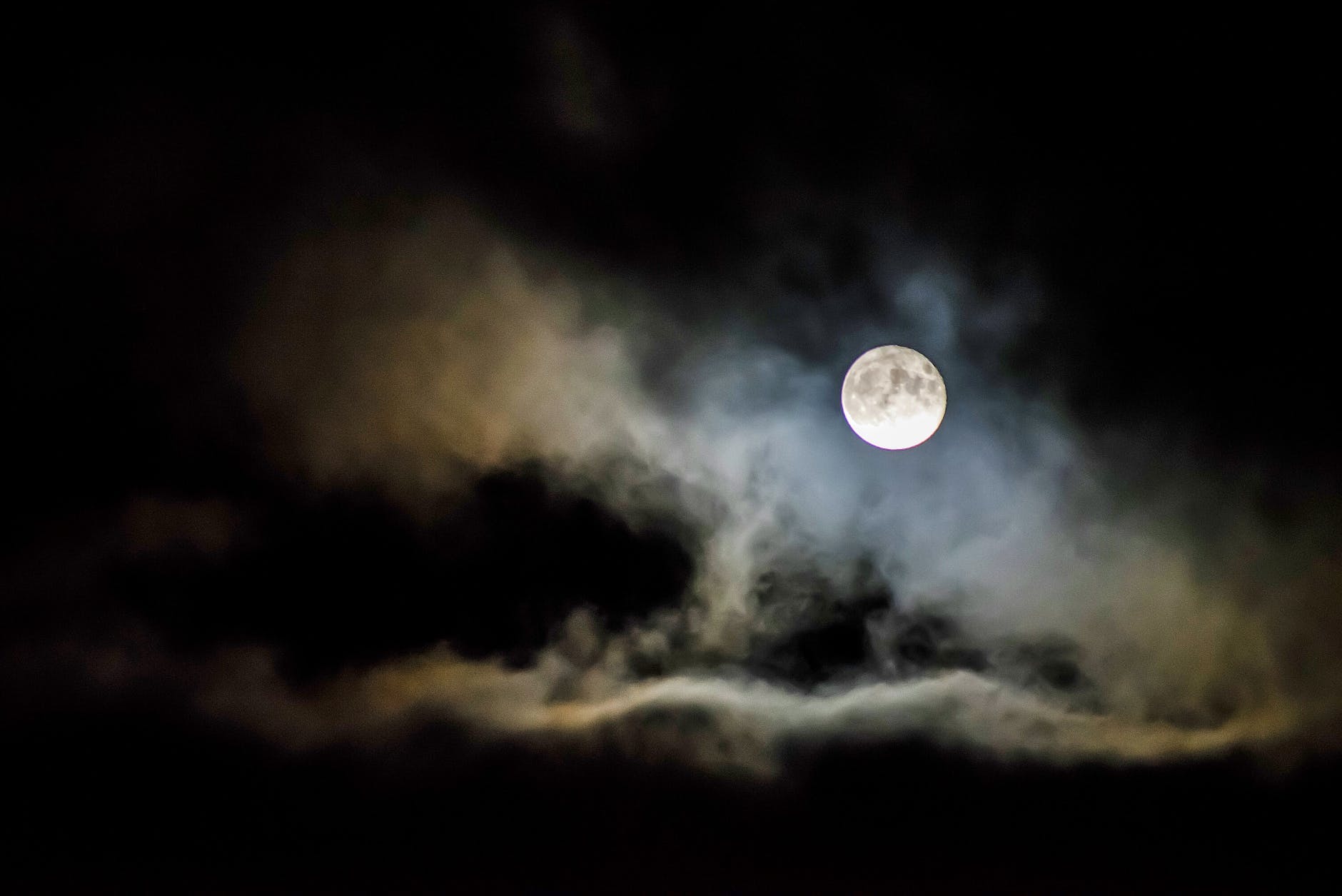
Utilize the energy of the full moon to charge and cleanse your magical tools, such as crystals, tarot cards, and ritual objects. Place them under the light of the full moon to enhance their potency and clarity.
Moon Water
Collect moon water by leaving a jar of water under the moonlight overnight. Moon water is charged with lunar energy and can be used for cleansing, blessing, and amplifying spells.
In conclusion, the moon is a potent and mystical force in witchcraft, offering guidance, transformation, and empowerment to practitioners. By attuning to the phases of the moon and harnessing its energies, witches can deepen their magical practice, amplify their intentions, and connect with the divine forces of the universe. Embrace the magic of the moon and let its luminous glow illuminate your path on the enchanted journey of witchcraft. Blessed be! 🌚
🌛
Moon Correspondences
Here is a list of correspondences associated with the moon, along with how they can be used in moon magic:
Colors
Silver: Represents the energy of the moon and intuition.
White: Symbolizes purity, clarity, and illumination.
Blue: Associated with peace, tranquility, and intuition.
How to use: Use colored candles, altar cloths, or clothing in these colors during moon rituals to enhance the energy and connection with the moon.
Herbs
Moonwort: Enhances intuition and psychic abilities.
Jasmine: Promotes love, peace, and prophetic dreams.
Mugwort: Aids in divination, lucid dreaming, and astral projection.
How to use: Burn these herbs as incense, use them in sachets or charms, or infuse them in oils for anointing candles or yourself during moon rituals.
Crystals
Moonstone: Enhances intuition, psychic abilities, and emotional balance.
Selenite: Connects you to the energy of the moon and promotes clarity.
Labradorite: Aids in enhancing psychic abilities and intuition.
How to use: Place these crystals on your altar, carry them with you, or use them in crystal grids during moon rituals to amplify the energy and intentions of your magic.
Elements
Water: Represents emotions, intuition, and the subconscious mind, all of which are associated with the moon.
Air: Symbolizes communication, clarity, and divination, helping to enhance your connection with the moon’s energy.
How to use: Incorporate water in your rituals through moon water (water charged under the moon), and use incense or feathers to represent the element of air on your altar.
Deities
Artemis/Diana: Greek/Roman goddess of the moon, hunting, and wilderness.
Selene/Luna: Greek/Roman goddess of the moon and night.
Thoth: Egyptian god of the moon, wisdom, and magic.
How to use: Invoke these deities during moon rituals through prayers, invocations, or offerings to seek their guidance, weprotection, and blessings.
By incorporating these correspondences into your moon magic rituals, you can deepen your connection with the energies of the moon, enhance your intuition and psychic abilities, and amplify the effects of your spells and intentions. Remember to set your intentions clearly, work with respect for the energies involved, and trust in the power of the moon to support your magical work.
🌛
Setting Intentions During Moon Phases
The moon’s phases have long been revered for their powerful influence on earthly energies and human emotions. By aligning your intentions with the lunar cycle, you can tap into this celestial rhythm to enhance the effectiveness of your spells, rituals, and manifestation practices. Each phase of the moon carries unique energy, providing a natural framework for different aspects of intention setting and personal growth.
⭐
New Moon: Planting Seeds of Intention
Energy: New beginnings, fresh starts, and setting intentions.
The new moon is a time of darkness, symbolizing a blank slate. This phase is ideal for setting new intentions and planting the seeds for future growth. It’s a period for introspection, identifying what you want to manifest, and planning the steps you’ll take to achieve your goals.
Ritual Tips:
Journal: Write down your intentions clearly and with positive affirmations.
Meditate: Focus on what you want to bring into your life, visualizing your desires as seeds you’re planting.
Create a Vision Board: Use images and words that represent your goals to reinforce your intentions visually.
⭐
Waxing Crescent: Building Momentum
Energy: Growth, action, and attraction.
As the moon moves from new to full, it’s in its waxing phase, gradually increasing in light. The waxing crescent is the time to start taking action towards your goals. This is the phase for building momentum and attracting the resources you need.
Ritual Tips:
Affirmations: Speak or write daily affirmations to reinforce your intentions.
Action Steps: Break down your goals into actionable steps and start executing them.
Crystal Work: Use crystals like citrine or carnelian to boost motivation and attract abundance.
⭐
First Quarter: Overcoming Obstacles
Energy: Challenges, decisions, and perseverance.
The first quarter moon, where half of the moon is illuminated, represents a time of challenge and decision-making. It’s common to face obstacles during this phase. Use this energy to evaluate your progress and make necessary adjustments.
Ritual Tips:
Problem-Solving Meditation: Spend time in meditation focusing on overcoming obstacles.
Tarot Reading: Seek guidance on the challenges you’re facing and possible solutions.
Energy Clearing: Use sage or palo santo to cleanse any negative energy or blockages.
⭐
Waxing Gibbous: Refinement and Adjustment
Energy: Refinement, adjustment, and refinement.
As the moon grows closer to full, the waxing gibbous phase is about refining your plans and making adjustments. It’s a period of fine-tuning and preparation for the culmination of your efforts.
Ritual Tips:
Review and Adjust: Revisit your intentions and make any necessary tweaks.
Visualization: Enhance your visualization techniques to include more detail and clarity.
Gratitude Practice: Focus on gratitude for the progress you’ve made and the lessons learned.
⭐
Full Moon: Manifestation and Culmination
Energy: Completion, celebration, and manifestation.
The full moon is the pinnacle of the lunar cycle, a time when energy is at its peak. This phase is perfect for manifesting your intentions and celebrating your achievements. It’s also a powerful time for releasing what no longer serves you.
Ritual Tips:
Full Moon Ritual: Perform a ritual that includes lighting candles, meditating, and expressing gratitude.
Release Ceremony: Write down what you wish to release and burn the paper as a symbol of letting go.
Moon Bathing: Spend time outdoors under the full moon to absorb its powerful energy.
⭐
Waning Gibbous: Sharing and Reflection
Energy: Sharing, introspection, and gratitude.
Following the full moon, the waning gibbous phase is about sharing your abundance and reflecting on your journey. It’s a time for gratitude and understanding how your manifestations are impacting your life.
Ritual Tips:
Share Your Gifts: Consider ways you can share your success and abundance with others.
Reflective Journaling: Write about your experiences, lessons learned, and areas for further growth.
Gratitude Ritual: Engage in a gratitude ritual, expressing thanks for all you have received.
⭐
Last Quarter: Release and Rest
Energy: Release, rest, and introspection.
The last quarter moon signifies a time of release and rest. It’s a period for letting go of what no longer aligns with your intentions and preparing for a new cycle.
Ritual Tips:
Detox: Perform a physical or energetic detox to cleanse your body and mind.
Cord-Cutting Ritual: Release attachments that are holding you back.
Rest and Rejuvenate: Take time to rest, rejuvenate, and reflect on your journey.
, ⭐
Waning Crescent: Surrender and Renewal
Energy: Surrender, closure. and renewal.
The waning crescent is the final phase before the new moon, a time for surrender and closure. This phase is about tying up loose ends and preparing for the new beginnings that the next new moon will bring.
Ritual Tips:
Surrender Meditation: Meditate on surrendering control and trusting the universe.
Closure Practices: Finish any remaining tasks and bring closure to open-ended situations.
Prepare for Renewal: Begin planning for the new cycle, setting the stage for new intentions.
By understanding and aligning with the moon’s phases, you can enhance the potency of your intentions and rituals. Each phase offers unique opportunities for growth, reflection, and manifestation, allowing you to harness the moon’s energy to bring your desires to fruition.
Divination & the Moon: Enhancing Your Psychic Practices
The moon, with its ever-changing phases and mysterious allure, has been a guiding light for various divinatory practices throughout history. Its energy can significantly enhance the accuracy and depth of your readings. By aligning your divination practices with the moon’s phases, you can tap into specific energies that amplify your psychic abilities, intuition, and clarity.
🌑
New Moon: Setting the Stage for Insight
Energy: New beginnings, heightened intuition, and planting seeds for clarity.
The new moon is a potent time for starting new divination practices or seeking insight into new areas of your life. It’s also a great phase for enhancing your intuitive abilities and setting the intention for clarity in your readings.
Divination Tips:
Tarot and Oracle Cards: Focus on new spreads that explore future potentials or new projects.
Crystal Gazing: Use clear quartz or moonstone to enhance intuitive insights during scrying.
Dream Work: Set intentions for receiving messages through dreams and keep a dream journal by your bedside.
🌛
Waxing Crescent: Building Intuitive Skills
Energy: Growth, learning, and expanding psychic abilities.
As the moon grows, so too does your capacity for learning and expanding your divinatory skills. The waxing crescent phase is ideal for practicing and honing your techniques, be it tarot, runes, or another form of divination.
Divination Tips:8
Practice Readings: Regularly practice with your chosen divination tools to strengthen your skills.
Intuitive Journaling: Keep a journal of your intuitive hits and insights, noting patterns and improvements.
Learning New Methods: Explore and experiment with new forms of divination to broaden your practice.
🌒
First Quarter: Overcoming Blocks
Energy: Challenge, decision-making, and breaking through obstacles.
The first quarter moon often brings challenges and obstacles, which can be reflected in your divination practice. Use this time to address any blocks in your psychic abilities and make decisions that enhance your clarity and focus.
Divination Tips:
Problem-Solving Spreads: Use tarot or oracle spreads that focus on overcoming obstacles and finding solutions.
Energy Clearing: Perform cleansing rituals for your divination tools and your space to remove any energetic blocks.
Pendulum Work: Ask specific yes/no questions to gain clarity on decisions and challenges.
🌓
Waxing Gibbous: Refinement and Clarity
Energy: Refinement, focus, and heightened insight.
As the moon nears fullness, your psychic abilities can reach a heightened state of clarity. The waxing gibbous phase is perfect for refining your divination techniques and seeking deeper insights into ongoing issues.
Divination Tips:
In-Depth Readings: Perform more detailed and complex readings to gain deeper understanding.
Meditative Scrying: Use a scrying mirror or bowl of water to access clearer visions and insights.
Astrology: Delve into astrological charts for detailed guidance and understanding of current energie.
🌕
Full Moon: Peak Intuition and Manifestation
Energy: Amplification, manifestation, and psychic peak.
The full moon is the most potent phase for divination. Its energy amplifies your psychic abilities, making it the best time for deep, insightful readings and manifesting intentions.
Divination Tips:
Full Moon Rituals: Incorporate divination into your full moon rituals for amplified insights.
Group Divination: Engage in group readings or share insights with others to benefit from collective energy.
Manifestation Spreads: Use tarot or oracle spreads that focus on manifesting desires and understanding outcomes.
🌖
Waning Gibbous: Sharing Wisdom
Energy: Sharing, gratitude, and reflection.
After the full moon, the waning gibbous phase encourages sharing the insights and wisdom gained from your divinatory practices. It’s a time for gratitude and reflection on the knowledge you’ve received.
Divination Tips:
Teaching and Sharing: Share your divination skills and insights with others, perhaps through teaching or group discussions.
Gratitude Practices: Express gratitude for the guidance received and reflect on how it has impacted your path.
Review Readings: Revisit past readings to gain additional insights and appreciate the accuracy of your divinatory work.
🌘
Last Quarter: Releasing and Reflecting
Energy: Release, assessment, and preparation for renewal.
The last quarter moon is a time for letting go of what no longer serves your divination practice. Assess your tools and methods, and prepare to release any outdated or ineffective practices.
Divination Tips:
Clearing Rituals: Cleanse and recharge your divination tools, perhaps with moonlight or smudging.
Reflective Journaling: Reflect on the effectiveness of your divination practices and make notes for future improvements.
Cord-Cutting: Release any negative energies or attachments that may have impacted your readings.
🌜
Waning Crescent: Rest and Renewal
Energy: Rest, closure, and intuitive preparation.
The waning crescent phase is for rest and renewal. It’s a time to close out the current cycle and prepare your intuitive faculties for the upcoming new moon.
Divination Tips:
Restorative Practices: Engage in gentle, restorative activities that recharge your psychic energy.
Preparing New Intentions: Start thinking about new intentions and questions for the upcoming new moon.
Quiet Reflection: Spend time in quiet reflection, allowing your intuition to rest and rejuvenate.
By aligning your divination practices with the moon’s phases, you can enhance your intuitive abilities, gain deeper insights, and manifest your desires with greater clarity and purpose. Embrace the lunar energies and let the moon guide your path in the mystical world of divination.
, ⭐
Moon Bathing: Harnessing Lunar Energy for Healing, Rejuvenation, and Spiritual Connection
Moon bathing is an ancient practice that involves immersing oneself in the gentle, healing light of the moon. This practice can be deeply rejuvenating and spiritually enriching, allowing you to connect with the natural rhythms of the universe. Here’s how to incorporate moon bathing into your personal rituals and meditation practices for healing, rejuvenation, and spiritual connection.
What is Moon Bathing?
Moon bathing is the practice of spending time under the moonlight, absorbing its energy for various benefits. Unlike sunbathing, moon bathing is gentle and cooling, often associated with emotional healing, spiritual growth, and inner peace.
Benefits of Moon Bathing
Emotional Healing: The moon’s energy is calming and soothing, helping to balance emotions and release stress.
Rejuvenation: Moonlight can rejuvenate your spirit, offering a sense of renewal and vitality.
Spiritual Connection: The moon is a powerful symbol in many spiritual traditions, aiding in meditation, introspection, and spiritual growth.
Enhanced Intuition: Spending time under the moon can enhance your intuitive abilities and deepen your connection with your inner self.
Preparing for Moon Bathing
Choose the Right Phase: Different moon phases offer different energies. Full moons are ideal for powerful energy work, while new moons are perfect for setting intentions. Waning and waxing phases can be used for releasing and manifesting, respectively.
Select a Quiet Space: Find a quiet, comfortable outdoor space where you can sit or lie down under the moonlight. Ensure it’s safe and free from disturbances.
Comfortable Clothing: Wear comfortable, loose-fitting clothing. You might also want a blanket or mat to lie on.
Set Intentions: Before you begin, set a clear intention for your moon bathing session. What do you want to heal, release, or manifest?
Moon Bathing Rituals
Basic Moon Bathing Ritual:
Find Your Spot: Choose a place where the moonlight is visible and direct.
Ground Yourself: Stand barefoot on the ground to connect with the earth.
Breathe Deeply: Take several deep breaths, inhaling through your nose and exhaling through your mouth. Allow yourself to relax.
Visualize: Close your eyes and visualize the moonlight washing over you, cleansing your energy and filling you with its soothing light.
Silent Meditation: Sit or lie down comfortably and meditate in silence for 15-30 minutes, absorbing the moon’s energy.
Healing Ritual:
Crystals and Water: Place healing crystals (like moonstone, clear quartz, or selenite) and a bowl of water under the moonlight.
Intentions: Hold the crystals in your hands and set an intention for healing.
Moonlit Water: After your moon bathing session, use the water to wash your hands or face, or drink it (if it’s safe) to internalize the moon’s energy.
Releasing Ritual:
Write and Burn: Write down what you wish to release on a piece of paper.
Moonlight Release: Under the moonlight, read aloud what you’ve written and then safely burn the paper, visualizing the release of these burdens.
Spiritual Connection Ritual:
Create a Sacred Space: Arrange candles, incense, and spiritual objects that resonate with you around your moon bathing spot.
Prayer or Chanting: Begin with a prayer or chanting to open your heart and mind.
Guided Meditation: Use a guided meditation that focuses on spiritual connection and opening your third eye.
Tips for Effective Moon Bathing
Regular Practice: Make moon bathing a regular practice, ideally during each full moon or new moon to stay attuned with the lunar cycle.
Journaling: Keep a moon journal to document your experiences, insights, and any changes you notice in your emotional or spiritual well-being.
Combine with Other Practices: Enhance your moon bathing with other spiritual practices like yoga, chanting, or aromatherapy.
Mindfulness: Stay mindful and present during your moon bathing sessions to fully absorb the moon’s healing energy.
Conclusion
Moon bathing is a beautiful, restorative practice that allows you to tap into the moon’s gentle yet powerful energy for healing, rejuvenation, and spiritual growth. By aligning your rituals and meditations with the lunar phases, you can enhance your emotional well-being, deepen your spiritual connection, and foster a sense of inner peace and balance. Embrace the practice of moon bathing and let the serene light of the moon guide you on your journey to holistic wellness.
As the wheel of the year turns and the vibrant energy of spring reaches its zenith, we find ourselves at the threshold of summer, marked by the ancient Pagan Sabbat of Beltane. This festive holiday, celebrated on May 1st in the Northern Hemisphere and October 31st in the Southern Hemisphere, is a time of fire, fertility, and the harmonious balance of energies.
Beltane is a season of heightened spiritual energy. The thinning of the veil between the worlds of the living and the dead is a powerful catalyst for magic and divination, making Beltane an auspicious time to connect with the spiritual realm. During this season, the energies of the natural world and the divine become more accessible, enabling practitioners to tap into deeper spiritual truths and connect with the higher forces of the universe. Beltane represents a unique opportunity to unlock the transformative power of magic and divination, allowing us to break free from old patterns and beliefs and embrace new possibilities for growth and change.
The Essence of Beltane
Beltane, or May Day, is a time when the veil between worlds is thin, similar to its opposite point on the Wheel of the Year, Samhain. It is a day when the Earth is teeming with life, fertility, and the potential for abundant growth. The God and Goddess are often portrayed in equal power during this time, symbolizing the unity of masculine and feminine energies.
Origins of Beltane
Beltane has origins in the Gaelic/Celtic cultures of Ireland, Scotland, and the Isle of Man. The name Beltane comes from the Gaelic language, with “bel” meaning “bright” or “radiant” and “tane” meaning “fire”. It was traditionally celebrated on the night of April 30th and May 1st, which is the halfway point between the spring equinox and summer solstice. The festival marks the beginning of summer and the end of winter, and is a time to celebrate fertility, growth, and the power of the sun. It was also a time for livestock to be driven from their winter pastures to their summer grazing grounds, and for farmers to pray for a good harvest. Over time, Beltane has been influenced by other cultures and religions, such as Christianity, but its origins can still be traced back to the ancient Celtic traditions.
Traditions and Celebrations
One of the most iconic symbols of Beltane is the Maypole. The pole represents the phallus of the God, and the ribbons and the dance around it symbolize the fertility of the Goddess. Communities would rise at dawn to gather flowers and green branches, weave ribbons, and celebrate the fertility of the land.
Setting Up a Beltane altar
There are many creative ways to set up a Beltane altar. Here are a few ideas:
Decorate your altar with brightly colored flowers, such as daisies, primroses, roses, lilacs, and hawthorn blossoms to represent fertility and spring growth.
Add a Maypole to your altar. You can make a miniature version using ribbons, or decorate a larger one with flowers and streamers.
Use a cauldron or chalice to represent the Divine Feminine, the womb of creation, and the element of water. Include a symbol or picture to represent the Horned God who represents male energy and fertility.
Place symbols of fertility on your altar, such as eggs, seeds, and baby animals.
Include fresh herbs: Like rosemary, thyme, lavender, and mint, which can be used for cooking, smudging, or as offerings.
Include candles to represent the element of fire and the sun’s power. Choose bright, warm colors like red, orange or yellow.
Use crystals and gemstones associated with Beltane, such as emerald, rose quartz, and sunstone.
Add symbols of the Green Man and the Goddess, such as statues or pictures.
Include foods associated with Beltane, such as honey, strawberries, and fresh herbs.
Finally, don’t forget to smudge your altar with sage or other cleansing herbs to purify and prepare the space.
Using these symbols on your Beltane altar can help you to tap into the energy of the season and honor the traditions and beliefs of this ancient festival.
Fire Festivals
Fire still plays a prominent role in modern Beltane celebrations. Lighting a bonfire or candle represents the Sun’s life-giving energy. In Scotland, the Beltane Fire Festival is a spectacular event that draws thousands to witness the rekindling of life and light.
Beltane fire festivals have been celebrated for centuries, and the specific details of the celebrations varied depending on the specific region and culture. Here is a general overview of how Beltane fire festivals were set up and celebrated:
Preparation and gathering: In the days leading up to Beltane, preparations were made for the festival. People would clean and decorate their homes, and gather food and other offerings for the celebrations. Communities would come together to prepare for the festivities.
Bonfire: A large bonfire was the focal point of the Beltane celebrations. It was traditionally lit by a sacred fire, which was kindled by friction between two pieces of wood or a fire struck from flint. The fire represented the power of the sun and was seen as a way to purify and cleanse the land and the people.
Dancing and music: The fire was surrounded by dancing, music and revelry. Maypole dancing was a popular activity during Beltane, and people would dance around the maypole holding brightly colored ribbons.
Rituals and offerings: Beltane was a time for making offerings and performing rituals to honor the gods and nature spirits. People would offer food, drink, flowers and other gifts to the sacred fire and other altars that were set up for the festival.
Feasting and celebration: After the rituals and offerings were made, people would gather together to feast and celebrate. Food and drink were shared, and people would continue to dance, sing and make merry around the fire.
Overall, Beltane fire festivals were a time of communal celebration, with people coming together to honor the changing of the seasons, make offerings to the gods and nature spirits, and connect with the power of the sun and the earth. While the specifics of the celebrations varied from place to place, the core elements of feasting, dancing, music and ritual were a part of all Beltane fire festivals.
Handfasting and Fertility Rites
Beltane is also a popular time for handfasting, a traditional Pagan wedding ceremony. Couples would jump over the Beltane fire to bring luck and fertility to their union.
Handfasting is a traditional pagan ritual where a couple publicly acknowledges their love and commitment to each other before the divine, or however they individually define their beliefs. It is often referred to as “tying the knot” and is similar to a wedding ceremony. Beltane is considered a particularly auspicious and appropriate time for handfasting ceremonies for a few reasons:
Fertility and Love: Beltane is a celebration of fertility, love and union. It is believed that the Beltane energy can help to bless the union and increase the fertility of the couple.
Heightened Energy: Beltane falls between the spring equinox and the summer solstice and represents the peak of spring energy. This is seen as a particularly powerful and potent time for magic and rituals.
Celtic Traditions: Handfasting has its roots in Celtic traditions, and the Celtic festival of Beltane was an important celebration in the wheel of the year. Handfasting during Beltane is seen as a way to honor and connect with these traditions.
Connecting to Nature: Beltane celebrates the return of the fertility of the earth, and handfasting during this time is seen as a way to connect with and honor this natural cycle.
Overall, Beltane is seen as a powerful and appropriate time to celebrate love and commitment through handfasting, connecting the couple with the energy of the season to bless their union and honor the greater natural cycles of life.
Modern Celebrations
Today, Pagans continue to celebrate Beltane with fire, dancing, and rituals that honor the balance of energies. It’s a time for planting seeds, both literally in the garden and metaphorically in our lives. Beltane invites us to embrace the passion and potential within and around us, to engage in the dance of life with joy and anticipation for the summer to come.
Modern-day Beltane Sabbats are celebrated differently from traditional or ancient celebrations, as it has adapted itself to modern-day cultures, practices, and beliefs. Here are a few ways in which modern-day Beltane Sabbats may be celebrated:
Community Events: Modern pagan communities often have Beltane Sabbat celebrations that bring people together to celebrate the season with music, dancing, and other festivities. These events may include workshops, performances, and other forms of entertainment.
Personal Rituals: Many people celebrate Beltane through personal rituals that may involve meditation, lighting candles, making offerings to the earth, or performing a spell or ritual.
Maypole Dancing: Maypole dancing is still a popular practice in many modern-day Beltane celebrations. People dance around a maypole, weaving ribbons around it to symbolize the union of the masculine and feminine energies.
Feasting: The tradition of feasting and sharing food is still an important part of many modern-day Beltane celebrations. People gather with loved ones and friends to enjoy the bounty of the earth and celebrate spring.
Nature Walks: Many people celebrate Beltane by taking walks in nature, visiting local gardens or parks, and connecting with the earth. Some may also participate in outdoor activities like hiking, camping, or nature photography.
Integrating Eco-friendly rituals: With the growing awareness of the environmental impact of human activities, many pagan communities are working to integrate environmentally sustainable practices into their Beltane celebrations. As a community that honors nature and the earth, it is essential that we seek to minimize our ecological footprint and promote the health of the planet. Some ways we can achieve this include using biodegradable or reusable materials for decorations, reducing waste by using compostable plates and utensils, and choosing locally sourced or seasonal food for feasting. We can also incorporate eco-friendly rituals, such as offering seeds or plants to the earth as a symbol of regeneration, or engaging in outdoor activities that connect us with nature. Integrating such environmentally sustainable practices in our Beltane celebrations is a way of honoring the earth and deepening our connection with the natural world.
Overall, modern-day Beltane Sabbats offer a variety of ways for people to celebrate the season in a way that is meaningful and relevant to their individual practices and beliefs. While the specifics of the celebrations may vary, the core themes of fertility, renewal, and community continue to be celebrated and honored.
Beltane is a reminder of the enduring cycle of life, death, and rebirth. As we celebrate, we connect with our ancestors and the natural world, recognizing the fires of creativity and life that burn within us all.
I trust that you relished this elucidation on the Beltane celebration. Should you desire any particular facets to be expounded upon or incorporated into your blog, kindly apprise me and I shall gladly oblige. 🌷🔥
Have you ever wondered how to use the power of the full moon to attract more prosperity and abundance into your life? If so, you’re not alone. Many people practice full moon rituals for prosperity, believing that the full moon is a time of heightened energy and manifestation. In this blog post, I’ll share with you some of the most popular and effective full moon rituals for prosperity that you can try at home.
What are full moon rituals and why are they important?
The full moon is a powerful time for harnessing energy and setting intentions. In witchcraft, many practitioners believe that the full moon is a time of heightened power and manifestation. This makes it the perfect time to perform rituals for prosperity and abundance.
Full moon rituals are practices that people perform during the full moon phase to harness its energy and align with its cycles. Full moon rituals can vary depending on one’s beliefs, preferences, and intentions, but they usually involve some elements of reflection, release, gratitude, and manifestation.
Full moon rituals are important because they can help people to connect with nature, themselves, and the universe. The full moon is a time of heightened power and illumination, which can reveal what needs to be changed, healed, or celebrated in one’s life. By performing full moon rituals, people can tap into this energy and use it to enhance their well-being, creativity, and spirituality. Full moon rituals can also help people to create a sense of rhythm, harmony, and balance in their lives, as they sync with the natural cycles of the moon.
How to create a prosperity altar for your full moon ritual:
One popular full moon ritual for prosperity involves creating a prosperity altar. Start by selecting items that represent wealth and abundance. You will need:
A small table or surface that you can dedicate to your intention for prosperity.
Green candles to represent wealth and abundance.
Coins to symbolize money and prosperity.
Stones like citrine or green aventurine to attract wealth and abundance.
Dried basil leaves, representing prosperity and financial growth.
Cinnamon sticks, symbolizing abundance and success.
A pinch of ginger root, activating the energies of prosperity and money attraction.
Any other items that resonate with you and your intention for prosperity.
Next, light your green candle and focus on your intention for prosperity. Visualize yourself surrounded by abundance and prosperity in all areas of your life. You can also speak or write down affirmations related to wealth and abundance to further strengthen your intention.
As you sit in front of your altar, meditate on the energy of the full moon and how it can amplify your intentions for prosperity. Feel the energy and abundance of the full moon washing over you, filling you with its powerful energy.
How to perform a manifestation ritual for prosperity:
A manifestation ritual for prosperity is a way of using your intention, visualization, and gratitude to attract more wealth and abundance into your life. There are different ways to perform a manifestation ritual, but here is one possible method:
Find a quiet and comfortable place where you can focus on your ritual. You can also prepare some items that represent prosperity, such as money, coins, bills, or checks. You can also use crystals, candles, incense, or herbs that are associated with wealth, such as citrine, green aventurine, cinnamon, or basil.
Write down your intention for prosperity on a piece of paper. Be specific and positive about what you want to manifest, and avoid using words like “want”, “need”, or “lack”. For example, you can write something like “I am grateful for the abundance of money that flows into my life easily and effortlessly.”
Hold the paper in your hands and close your eyes. Visualize yourself living in your desired state of prosperity. Imagine how it feels, what it looks like, what you hear, smell, and taste. Feel the joy and gratitude of having everything you need and more.
Say your intention out loud or in your mind and affirm that it is already done. You can also add a phrase like “And so it is”, “Thank you, universe”, or “This or something better” to seal your intention.
Burn the paper in a fire-safe dish or tear it into small pieces and bury it in the ground. This is a way of releasing your intention to the universe and trusting that it will manifest in the best way possible.
Express your gratitude for the prosperity that is already present in your life, and for the prosperity that is on its way. You can also do something to celebrate your manifestation, such as dancing, singing, or treating yourself to something nice.
This is one example of a manifestation ritual for prosperity, but you can also customize it to suit your preferences and beliefs. The most important thing is to have a clear and positive intention, and to feel the emotions of having what you desire. You can also repeat this ritual as often as you like, especially during the full moon, which is a powerful time for manifestation.
How to end your Full Moon Ritual with gratitude:
Remember to thank the universe, your guides, or any deities you work with for their assistance in manifesting prosperity into your life. Ending your ritual with gratitude can help to solidify your intentions and show your appreciation for the abundance that is already present in your life.
Full moon rituals for prosperity can be a powerful tool for manifesting wealth and abundance in your life. By harnessing the energy of the full moon and setting clear intentions, you can create a powerful ritual that can help you attract prosperity into your life.
**Ivy Jaded WyldFyre**, based in **Manitowoc, WI**, is a multi-talented individual with a fascinating blend of interests and skills. Let’s explore her diverse background:
**Author and Writer**:
Ivy is a writer who weaves words into captivating stories, poems, and other literary works. Her creativity knows no bounds, and her writing reflects her deep connection to the mystical and magical.
As an author, she explores themes related to spirituality, witchcraft, and the esoteric. Her words resonate with those seeking wisdom and inspiration.
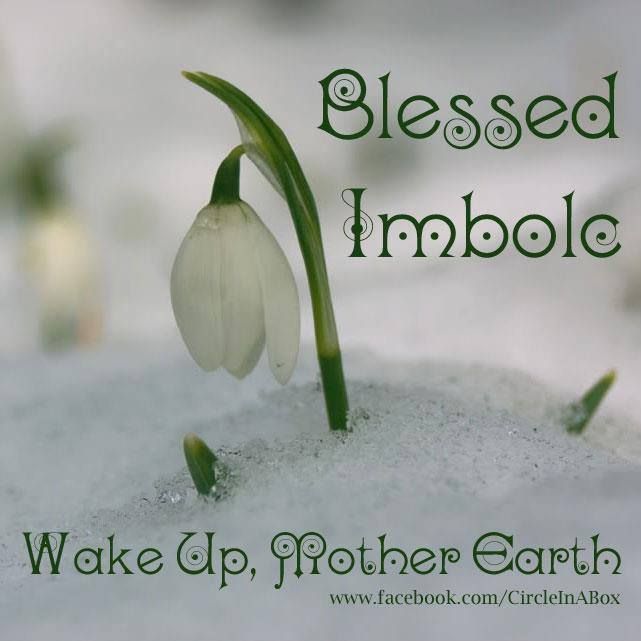
Welcome to my blog, where I explore the enchanting and meaningful world of Imbolc. Imbolc, a sacred Pagan holiday celebrated on February 1st or 2nd, marks the halfway point between the winter solstice and the spring equinox. It is a time of transition when we bid farewell to winter’s embrace and eagerly anticipate the arrival of spring.
In this blog post, we will delve into the significance of Imbolc and its rich history within Pagan traditions. We will uncover the rituals and correspondences associated with this special occasion, offering you insights into how to honor and celebrate Imbolc in your own unique way.
Whether you are a seasoned practitioner or new to Paganism, this blog aims to provide inspiration and ideas for creating a meaningful Imbolc celebration. From crafting rituals that honor Brigid, the goddess of fire and inspiration, to exploring correspondences such as candles, snowdrops, and lambs, we will guide you through various aspects of this magical holiday.
Join us on this journey as we delve into the beauty and depth of Imbolc. Discover new ways to connect with nature’s rhythms, tap into your own intuition, and infuse your celebrations with intention. Let us ignite your imagination with creative ideas that will make your Imbolc celebration truly special.
So grab a cup of herbal tea or hot cocoa as we embark on an exploration of Imbolc’s traditions together. Let us inspire you to embrace this season of rebirth and renewal with open hearts and minds.
The History of Imbolc
Imbolc, also known as “Brigid’s Day,” is deeply rooted in Celtic traditions and has been observed for centuries by various cultures. The origins of Imbolc can be traced back to pre-Christian times when it was celebrated as a Gaelic festival in Ireland, Scotland, and the Isle of Man. It is named after the Celtic goddess Brigid (or Bride), who symbolizes fertility, healing, poetry, and fire. Imbolc signifies the awakening of nature from its winter slumber and the anticipation of spring’s arrival.
During Imbolc, Pagans would engage in sacred rituals to honor Brigid and seek her blessings for their crops and livestock. These rituals often involved lighting bonfires to symbolize purification and renewal. It was believed that these fires had protective powers against evil spirits and brought warmth to homes during this transitional period.
In addition to its agricultural significance, Imbolc holds deep spiritual meaning for modern-day Witches and practitioners of Earth-based religions. Many continue to celebrate this festival by performing rituals that pay homage to Brigid’s attributes while embracing their own personal connections with nature.
As we explore the history and origins of Imbolc, we gain insight into how ancient cultures honored seasonal transitions through ritualistic practices. Today, this vibrant celebration continues to thrive as a reminder of our connection with nature’s cycles and our collective desire for renewal as we eagerly await the arrival of spring.
Imbolc Celebration Ideas
Imbolc is a time of hope, renewal, and the first signs of spring. It is a perfect occasion to gather with loved ones and celebrate the changing seasons. Here are some ideas to make your Imbolc celebration memorable.
Light a Candle
Candles play a significant role in Imbolc celebrations as they symbolize the return of light and warmth. Light a candle on your altar or create a sacred space adorned with candles. As you light each candle, visualize the darkness of winter giving way to the growing light of spring. You can also use colored candles that represent the energy you wish to invite into your life. For example, white candles for purity and new beginnings, or green candles for growth and healing.
Make a Brigid’s Cross
Brigid, the Celtic goddess of fire, poetry, and healing, is closely associated with Imbolc. Making a Brigid’s Cross is a traditional craft activity during this time. Gather dried rushes or straw and create a cross-like shape by weaving them together. Hang the Brigid’s Cross near your front door or in your sacred space as a symbol of protection and blessings for the year ahead.
Prepare a Feast
Feasting is an integral part of Imbolc celebrations. Prepare a meal using seasonal ingredients such as root vegetables, grains, and dairy products. Traditional dishes include colcannon, a potato and cabbage dish, or bannocks, a type of oatcake. As you cook, infuse your food with intentions of abundance, nourishment, and the warmth of the returning sun. Invite your loved ones to join you in sharing a delicious feast and the joy of the season.
Imbolc Ritual Ideas
Rituals are a powerful way to connect with the energy of Imbolc and honor the changing seasons. Here are some ritual ideas to enhance your Imbolc experience.
Cleansing and Purification
Imbolc is a time of purification, both physically and spiritually. Take a ritual bath with herbs such as lavender or rosemary to cleanse your body and release any stagnant energies. You can also smudge your home with sage or palo santo to clear away old energies and invite fresh beginnings. As you cleanse, visualize yourself releasing the heaviness of winter and welcoming the light of spring.
Planting Seeds of Intentions
Imbolc is a perfect time to set intentions for the year ahead. Create a ritual space with soil, seeds, and small pots. Take a moment to reflect on what you wish to manifest in your life. Write your intentions on small pieces of paper and bury them in the soil, planting seeds above them. As you nurture the seeds, visualize your intentions growing and blossoming along with the coming spring.
Honoring Brigid
Pay homage to the goddess Brigid during your Imbolc ritual. Create a sacred altar dedicated to her with symbols of fire, poetry, and healing. You can include candles, poetry books, healing crystals, and images or statues of Brigid. Light a candle in her honor and recite prayers or poems that resonate with her energy. Invite her presence into your ritual space and ask for her blessings and guidance.
Imbolc Correspondence
Imbolc is associated with specific colors, symbols, and correspondences that enhance its energy. Here are some correspondences to incorporate into your Imbolc celebrations.
Colors: White, green, and yellow symbolize purity, growth, and the returning light. Incorporate these colors into your decorations, altar, and clothing.
Crystals: Amethyst, clear quartz, and garnet resonate with the energy of Imbolc. Place these crystals on your altar or carry them with you during rituals.
Herbs: Chamomile, lavender, and rosemary are herbs associated with healing, purification, and new beginnings. Use them in your ritual baths, smudging, or as offerings to Brigid.
Symbols: Brigid’s Cross, candles, snowdrops, and lambs are symbols of Imbolc. Include these symbols in your decorations or crafts to amplify the essence of the season.
In conclusion, Imbolc 2024 is a time to celebrate the returning light, renew our intentions, and honor the goddess Brigid. Whether you choose to light candles, create a feast, or perform rituals, let the energy of Imbolc inspire you to embrace the changing seasons and welcome the warmth of spring.
CTA: Embrace the magic of Imbolc and create your own unique celebration to honor the turning of the seasons. May this festival bring you renewed hope, inspiration, and blessings for the year ahead.
Paste my profile into the search field of your favorite open social app or platform.
Your Profile
Or, if you know your own profile, we can start things that way! Why do I need to enter my profile?
This site is part of the ⁂ open social web, a network of interconnected social platforms (like Mastodon, Pixelfed, Friendica, and others). Unlike centralized social media, your account lives on a platform of your choice, and you can interact with people across different platforms.
By entering your profile, we can send you to your account where you can complete this action.
 Pagan Essentials










 Light a Candle
 Cleansing and Purification