Posted on 1 Comment

Moon Phases and Magick: Working with Lunar Energies for Enhanced Spells

Welcome, fellow seekers, to Pagan Essentials! I’m Ivyjaded Wyldfyre, and today we’ll delve into the enchanting connection between the moon’s celestial dance and the potency of our magickal workings. The moon, our luminous neighbor, doesn’t just illuminate the night sky; it casts a subtle yet powerful influence upon our world and, most importantly, our spells. Understanding and aligning your craft with the lunar cycle can significantly amplify your intentions and bring forth more potent results.

Just as the tides ebb and flow with the moon’s pull, so too do the energetic currents that weave through our existence. Each phase of the moon carries its own unique vibrational signature, making certain phases more conducive to specific types of magick. Let’s explore the primary lunar phases and how to harness their energy:

  • New Moon (Dark Moon): This is the phase of introspection, new beginnings, and planting seeds of intention. The energy is subtle, inward-focused, and perfect for shadow work, banishing unwanted influences, and conceiving new projects or goals. Spells for setting intentions, breaking bad habits, and seeking clarity are particularly potent now.
  • Waxing Crescent: As a sliver of light begins to grow, so does the energy around your intentions. This phase is ideal for attracting positive influences, setting goals in motion, and nurturing new ventures. Spells for growth, attraction, and inspiration thrive during this time.
  • First Quarter: This phase brings a surge of dynamic energy and a push to take action on the intentions set during the New Moon. It’s a time for courage, overcoming obstacles, and making decisive moves. Spells focused on strength, motivation, and taking action are well-suited here.
  • Waxing Gibbous: The light continues to expand, and the energy builds towards fullness. This is a time for refinement, growth, and bringing your intentions closer to fruition. Spells for abundance, prosperity, healing, and manifestation are particularly effective.
  • Full Moon: The peak of lunar energy! The veil between worlds is thin, making this the most potent time for almost any form of magick. Emotions are heightened, and energy is abundant. Spells for charging tools, divination, love, healing, protection, and manifestation are incredibly powerful. Be mindful of the amplified energy and ground yourself.
  • Waning Gibbous: As the light begins to recede, the energy shifts towards releasing and banishing. This is a time for gratitude for what has manifested and for gently letting go of what no longer serves you. Spells for releasing negativity, breaking ties, and diminishing unwanted influences are favored.
  • Third Quarter (Last Quarter): The energy continues to decline, making it a potent time for banishing, releasing, and cleansing. This phase supports inner reflection, letting go of burdens, and preparing for a new cycle. Spells for banishing, protection, and breaking hexes are effective now.
  • Balsamic Moon (Darkening Moon): The final phase before the New Moon, this is a time for deep rest, reflection, and releasing the last vestiges of the previous cycle. It’s not typically a time for casting new spells but rather for inner work and preparation for the new beginnings to come.

To effectively work with lunar energies, start by observing the moon’s phases. Many calendars and lunar apps can help you track its cycle. Once you know the current phase, consider how its energetic qualities align with your magickal intentions.

  • Match Your Intentions: Choose spellwork that resonates with the energy of the current moon phase. For example, don’t try to banish something on the Waxing Crescent, as the energy is geared towards growth and attraction.
  • Charge Your Tools: Place your crystals, tarot decks, and other magickal tools under the light of the Full Moon to cleanse and charge them with potent lunar energy.
  • Time Your Rituals: If possible, schedule your rituals to coincide with the most appropriate lunar phase for your desired outcome.
  • Incorporate Lunar Symbolism: Use moon imagery, colors associated with the moon (silver, white, grey), and lunar deities in your spells and rituals.

By consciously aligning your magickal practices with the cycles of the moon, you tap into a powerful and consistent source of energy, enhancing the effectiveness and flow of your spells. May your craft be illuminated by the wisdom of the lunar light!

Posted on

Litha 2025


Published: June 5, 2025

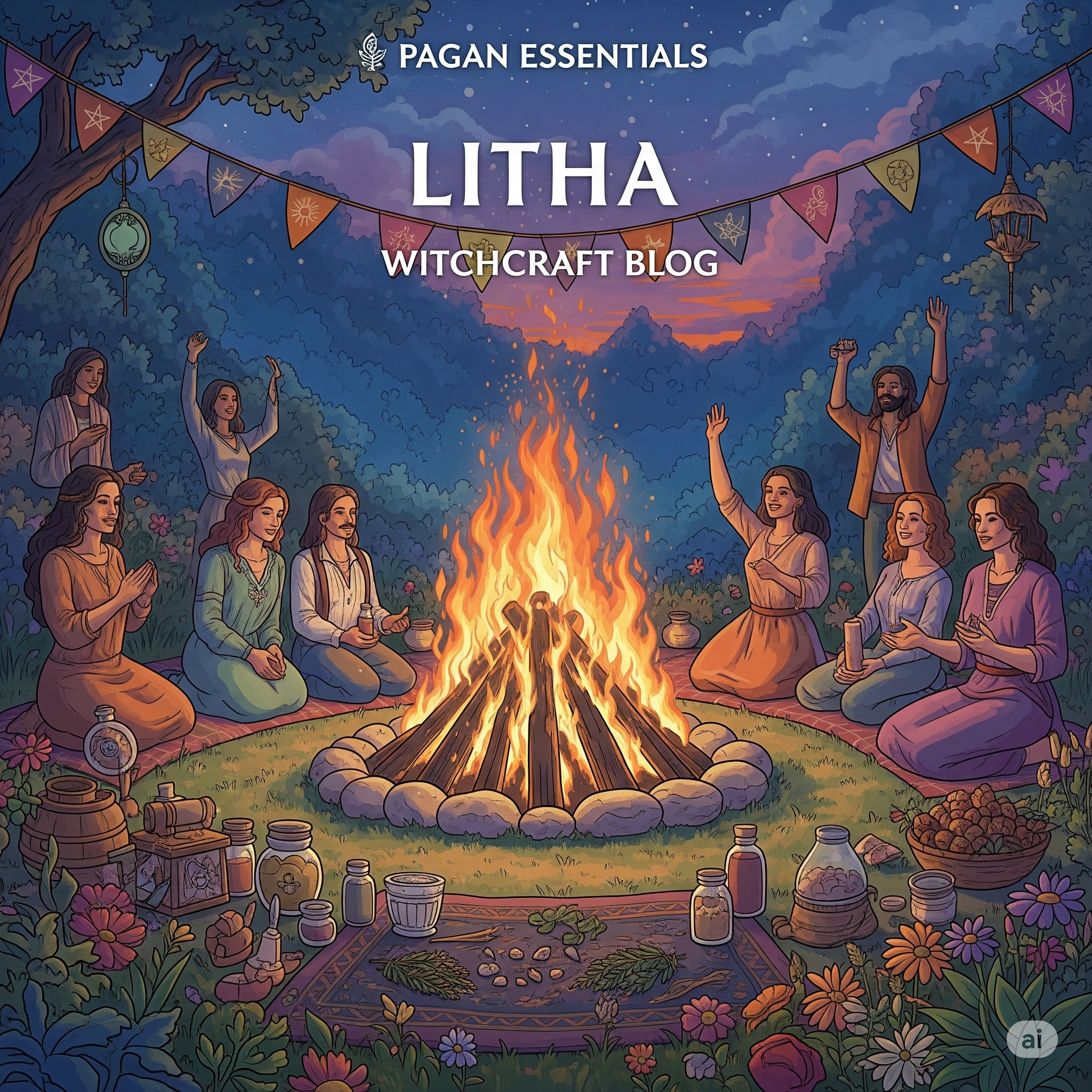
The celebration of the Summer Solstice dates back thousands of years, long before the rise of organized religions. Ancient cultures across the globe recognized and revered this pivotal point in the solar year. From the megalithic structures of Stonehenge, precisely aligned with the solstice sunrise, to the sun worship of the Egyptians and the fire festivals of the Celts, humanity has always acknowledged the sun’s vital role in sustaining life.
Many Litha traditions stem from these ancient practices. Bonfires were lit to honor the sun and offer protection, herbs were gathered for their potent magical properties, and feasts were held to celebrate the bounty of the earth.
The Meaning of Litha
Litha is a time of profound meaning for Pagans:

Litha is a time of profound meaning for Pagans:

  • Peak of Solar Power: It represents the sun at its most powerful, a time of warmth, energy, and vitality.
  • Abundance and Fertility: The earth is fertile, crops are growing, and life is flourishing. It’s a time to acknowledge and appreciate this abundance.
  • Celebration of Light: With the longest daylight hours, Litha is a powerful reminder to embrace light in all its forms โ€“ illumination, joy, and spiritual clarity.
  • Balance: While it’s the peak of the sun’s power, it also marks the turning point where the days will begin to shorten. This subtle shift reminds us of the continuous cycle of life, death, and rebirth.
  • Joy and Merriment: Litha is a time for feasting, dancing, and general revelry, embracing the joyous energy of the season.

To enrich your Litha celebrations, here are some common correspondence:

  • Colors: Gol, yellow, orange, red, green, blue (sky and sea).
  • Deities: Sun gods and goddesses (e.g., Ra, Apollo, Lugh, Sol, Amaterasu), fertility goddesses, mother goddesses.
  • Crystals: Sunstone, Citrine, Carnelian, Amber, Peridot.
  • Herbs & Flowers: Oak, Mistletoe, Lavender, Chamomile, St. John’s Wort, Sunflower, Rose, Daisy.
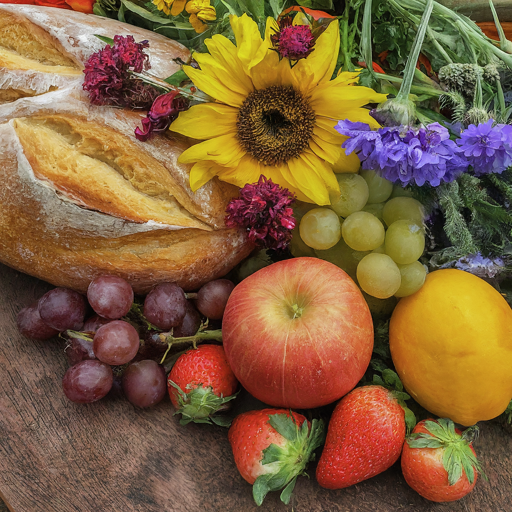
  • Foods: Seasonal fruits and vegetables, honey, mead, bread, anything sun-shaped.
  • Animals: Bees, butterflies, eagles, lions, horses.
  • Symbols: Sun, fire, oak leaves, circles, wheels.

This ritual can be adapted for solitary practice or a small group.

What you’ll need:

  • A comfortable outdoor space, ideally where you can see the sun (or a window if indoors).
  • A yellow or gold candle.
  • A small offering of fresh fruit, flowers, or a handmade sun symbol.
  • A bowl of water
  • Incense (optional, but a good choice would be frankincense or lemon verbena). * A lighter or matches.
  • Preparation: Cleanse your space, perhaps by sweeping or smudging. Center yourself with a few deep breaths.
  • Cast a Circle (Optional): If you usually cast a circle, do so now.
  • Light the Candle: Light your yellow or gold candle, saying: “Great Sun, at your zenith you stand, Bringing life and warmth to this land. I light this flame to honor your might, And welcome your radiant, abundant light.”
  • Connect with the Sun: Close your eyes and visualize the sun’s warm rays washing over you. Feel its energy filling you with vitality and joy. Imagine the earth beneath you, vibrant and fertile.
  • Offer Gratitude: Hold your offering in your hands and, either aloud or silently, express your gratitude for the sun’s blessings, the abundance of nature, and the joy of the season. You might say: “Blessed be the sun, the bringer of life, Blessed be the earth, bursting with life. I give thanks for this season’s embrace, For abundance, joy, and sacred space.”
  • Offer to the Earth: Place your offering gently on the earth (if outdoors) or near your candle (if indoors).
  • Water Blessing: Dip your fingers into the bowl of water and sprinkle a few drops around your space, saying: “Water of life, flow ever free, Cleanse and refresh, bringing purity.”
  • Meditation/Reflection: Take a few moments to sit in the light of the candle, reflecting on your intentions for the coming half of the year. What do you wish to cultivate? What abundance do you seek?
  • Feast and Merriment (Optional): After your ritual, enjoy a light, seasonal snack and drink. Connect with loved ones or simply enjoy the moment.
  • Close the Ritual: Thank the sun, the earth, and any deities you worked with. Extinguish your candle safely. If you cast a circle, open it now.

Posted on

Lughnasadh 2024

Lughnasadh, also known as Lammas, is a Pagan holiday celebrated on August 1st in the Northern Hemisphere. It marks the beginning of the harvest season and is a time to give thanks for the abundance of the Earth. The origins of Lughnasadh can be traced back to ancient Celtic traditions, particularly the festival dedicated to the Celtic god Lugh, who was associated with craftsmanship, skill, and the harvest.

Lughnasadh is a Celtic fire festival that celebrates the first fruits of the harvest and the blessings of the land. The name Lughnasadh comes from the Celtic god Lugh, who was honored at this time of year for his role in bringing about the successful harvest. The festival was traditionally celebrated with feasting, games, and contests, as well as rituals to ensure a bountiful harvest in the coming year.

One of the key elements of the Lughnasadh celebration is the making of corn dollies, which are braided figures made from the last sheaf of corn harvested from the fields. These corn dollies are often used as symbols of the harvest and are left in the fields as an offering to the land spirits. Another important aspect of the festival is the baking of bread from the newly harvested grains, which is then blessed and shared with the community as a symbol of the Earth’s abundance.

Lughnasadh also has strong associations with the cycle of life and death, as it falls halfway between the summer solstice and the autumn equinox. It is a time to reflect on the turning of the seasons and the impermanence of life, as the energy of the sun begins to wane and the days grow shorter. In many Pagan traditions, Lughnasadh is seen as a time of sacrifice and transformation, when we let go of the things that no longer serve us in order to make way for new growth and abundance.

Correspondences for Lughnasadh include the colors gold, green, and yellow, as well as symbols of the harvest such as cornucopias, wheat sheaves, and sunflowers. The element associated with Lughnasadh is earth, representing the fertile soil that nourishes the crops. Offerings for the festival may include grains, fruits, and bread, as well as herbs such as lavender, rosemary, and sage.

Overall, Lughnasadh is a time to celebrate the fruits of our labor, both literally in terms of the harvest, and metaphorically in terms of our personal growth and achievements. It is a time to give thanks for the abundance of the Earth and to honor the cycle of life and death that sustains us all. Whether you celebrate with a traditional ritual, a feast with loved ones, or a quiet moment of reflection in nature, Lughnasadh is a reminder to be grateful for the blessings that surround us and to sow the seeds of our future intentions with care and intention.

May the spirit of Lughnasadh bless you with abundance, growth, and transformation as you navigate the changing seasons of life.


Posted on

Exploring Chaos Magick: Belief, Rituals, and Empowerment

Chaos Magick is a modern form of magic that emerged in the late 20th century, drawing inspiration from various spiritual and occult traditions such as shamanism, Hermeticism, and Eastern mysticism. Unlike traditional forms of magic, Chaos Magick is distinguished by its emphasis on achieving results without being tied to any specific belief system or tradition.

The aspects of Chaos Magick
Aspects of Chaos Magick
  • Belief as a Tool: Chaos magicians view belief not as an absolute truth but as a flexible tool. They adopt and discard beliefs as needed to achieve specific magickal goals, operating under the premise that belief shapes reality.
  • Pragmatism and Results: The effectiveness of a technique or ritual is judged solely by its results. Chaos Magick is highly pragmatic, focusing on what works rather than adhering to tradition.
  • Personalized Practice: Practitioners often create their own rituals and symbols, borrowing from various traditions or inventing entirely new ones. This personalized approach allows for great creativity and adaptability.
  • Psychological Techniques: Techniques from psychology, such as sigilization (creating and charging sigils), meditation, and altered states of consciousness, are commonly used. These methods help to focus the mind and bypass the conscious mind’s skepticism.
  • Eclecticism: Chaos Magick draws on a wide range of sources, including ceremonial magick, shamanism, pop culture, and even scientific principles. This eclectic mix allows practitioners to tailor their magickal practice to their own preferences and needs.
  • Use of Symbols and Archetypes: Symbols, archetypes, and mythologies from various cultures are often employed. The power lies in the practitioner’s intent and the meaning they ascribe to these symbols.
  • Ritual and Structure: While there is no rigid structure, rituals in Chaos Magick can range from elaborate ceremonies to simple acts of will. The key is that the ritual serves to focus the practitioner’s intent and energy.
  • Experimental Approach: Chaos Magick encourages experimentation and innovation. Practitioners are urged to test different methods and record their results, learning from both successes and failures.
  • Deconditioning: An essential part of the practice is deconditioning oneself from societal, cultural, and personal limitations. This involves breaking down ingrained beliefs and habits to foster a more flexible and empowered mindset.
  • Magickal Record: Keeping a detailed magickal journal or diary is a common practice. This record helps practitioners track their progress, refine their techniques, and understand what methods are most effective for them.
    Chaos Magick is about taking control of one’s own magickal practice, embracing change, and using whatever means necessary to achieve desired outcomes. It’s a path that invites curiosity, creativity, and a willingness to explore the unknown.

โœจThe 7 Elements of Chaos Magick๐Ÿ™
Chaos magic, a practice that emphasizes beliefโ€™s power to shape reality, draws from various mystical and occult ideas.

๐ŸŒˆHere are the seven elements associated with it:โญ

  1. Spirit Above: Represents the divine, cosmic forces, and higher consciousness.
  2. Spirit Below: Symbolizes the underworld, subconscious, and hidden energies.
  3. Spirit Within: Refers to personal intuition, inner wisdom, and self-awareness.
  4. Earth: Associated with stability, grounding, and the material world.
  5. Air: Signifies intellect, communication, and mental clarity.
  6. Fire: Represents passion, transformation, and creative energy.
  7. Water: Symbolizes emotions, intuition, and adaptability.
Pagan Essentials Logo