Pagan Essentials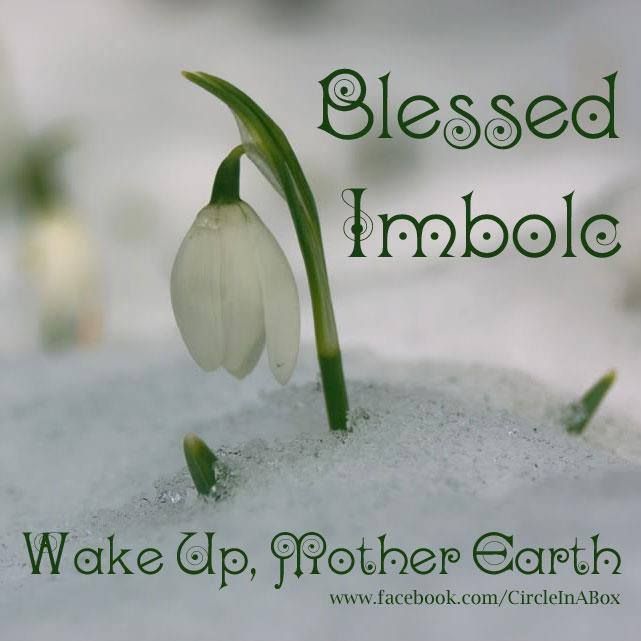

When is it and What Does it Mean?
Welcome to my blog, where I explore the enchanting and meaningful world of Imbolc. Imbolc, a sacred Pagan holiday celebrated on February 1st or 2nd, marks the halfway point between the winter solstice and the spring equinox. It is a time of transition when we bid farewell to winter’s embrace and eagerly anticipate the arrival of spring.
In this blog post, we will delve into the significance of Imbolc and its rich history within Pagan traditions. We will uncover the rituals and correspondences associated with this special occasion, offering you insights into how to honor and celebrate Imbolc in your own unique way.
Whether you are a seasoned practitioner or new to Paganism, this blog aims to provide inspiration and ideas for creating a meaningful Imbolc celebration. From crafting rituals that honor Brigid, the goddess of fire and inspiration, to exploring correspondences such as candles, snowdrops, and lambs, we will guide you through various aspects of this magical holiday.
Join us on this journey as we delve into the beauty and depth of Imbolc. Discover new ways to connect with nature’s rhythms, tap into your own intuition, and infuse your celebrations with intention. Let us ignite your imagination with creative ideas that will make your Imbolc celebration truly special.
So grab a cup of herbal tea or hot cocoa as we embark on an exploration of Imbolc’s traditions together. Let us inspire you to embrace this season of rebirth and renewal with open hearts and minds.

The History of Imbolc
Imbolc, also known as “Brigid’s Day,” is deeply rooted in Celtic traditions and has been observed for centuries by various cultures. The origins of Imbolc can be traced back to pre-Christian times when it was celebrated as a Gaelic festival in Ireland, Scotland, and the Isle of Man. It is named after the Celtic goddess Brigid (or Bride), who symbolizes fertility, healing, poetry, and fire. Imbolc signifies the awakening of nature from its winter slumber and the anticipation of spring’s arrival.
During Imbolc, Pagans would engage in sacred rituals to honor Brigid and seek her blessings for their crops and livestock. These rituals often involved lighting bonfires to symbolize purification and renewal. It was believed that these fires had protective powers against evil spirits and brought warmth to homes during this transitional period.
In addition to its agricultural significance, Imbolc holds deep spiritual meaning for modern-day Witches and practitioners of Earth-based religions. Many continue to celebrate this festival by performing rituals that pay homage to Brigid’s attributes while embracing their own personal connections with nature.
As we explore the history and origins of Imbolc, we gain insight into how ancient cultures honored seasonal transitions through ritualistic practices. Today, this vibrant celebration continues to thrive as a reminder of our connection with nature’s cycles and our collective desire for renewal as we eagerly await the arrival of spring.
Imbolc Celebration Ideas
Imbolc is a time of hope, renewal, and the first signs of spring. It is a perfect occasion to gather with loved ones and celebrate the changing seasons. Here are some ideas to make your Imbolc celebration memorable.
 Light a Candle
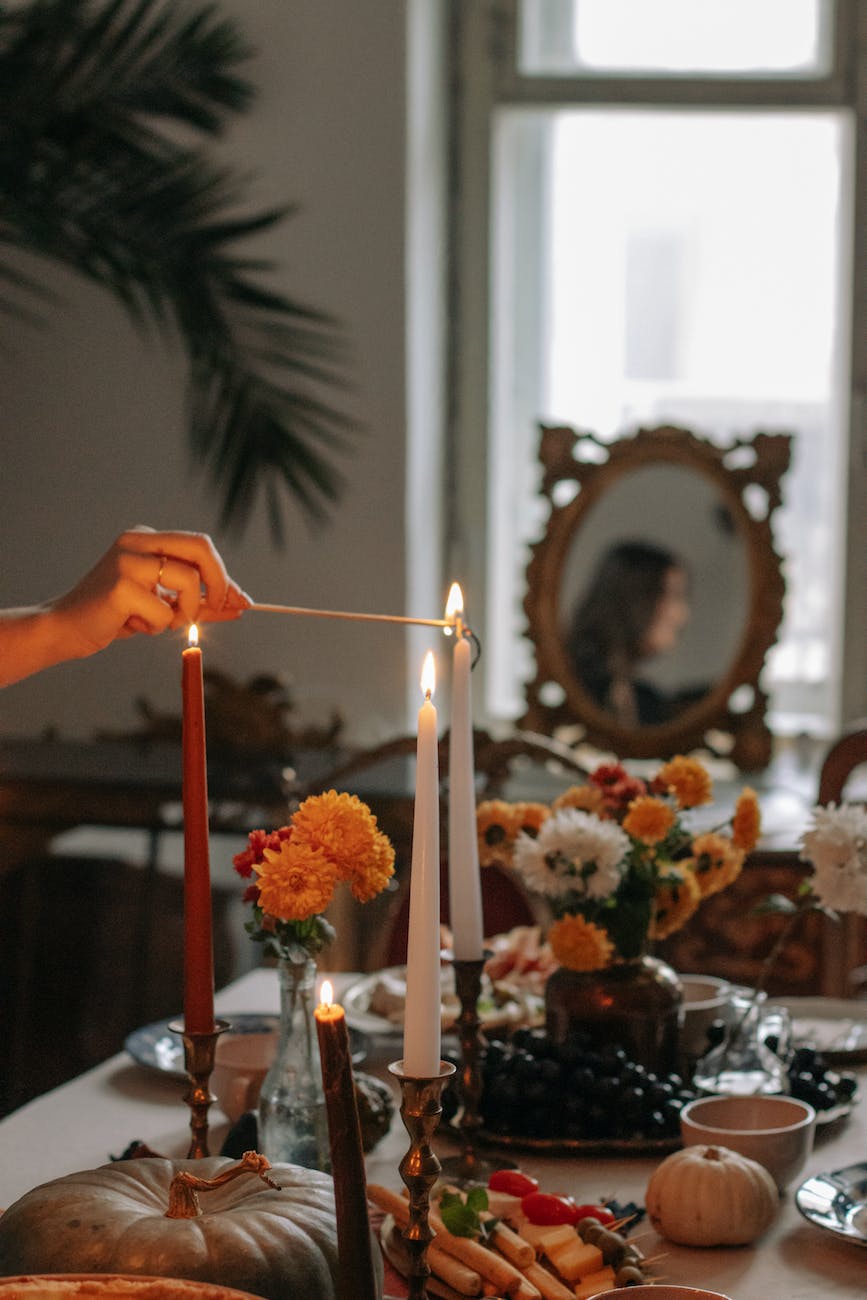
Candles play a significant role in Imbolc celebrations as they symbolize the return of light and warmth. Light a candle on your altar or create a sacred space adorned with candles. As you light each candle, visualize the darkness of winter giving way to the growing light of spring. You can also use colored candles that represent the energy you wish to invite into your life. For example, white candles for purity and new beginnings, or green candles for growth and healing.
Make a Brigid’s Cross
Brigid, the Celtic goddess of fire, poetry, and healing, is closely associated with Imbolc. Making a Brigid’s Cross is a traditional craft activity during this time. Gather dried rushes or straw and create a cross-like shape by weaving them together. Hang the Brigid’s Cross near your front door or in your sacred space as a symbol of protection and blessings for the year ahead.
Prepare a Feast
Feasting is an integral part of Imbolc celebrations. Prepare a meal using seasonal ingredients such as root vegetables, grains, and dairy products. Traditional dishes include colcannon, a potato and cabbage dish, or bannocks, a type of oatcake. As you cook, infuse your food with intentions of abundance, nourishment, and the warmth of the returning sun. Invite your loved ones to join you in sharing a delicious feast and the joy of the season.
Imbolc Ritual Ideas
Rituals are a powerful way to connect with the energy of Imbolc and honor the changing seasons. Here are some ritual ideas to enhance your Imbolc experience.
 Cleansing and Purification
Imbolc is a time of purification, both physically and spiritually. Take a ritual bath with herbs such as lavender or rosemary to cleanse your body and release any stagnant energies. You can also smudge your home with sage or palo santo to clear away old energies and invite fresh beginnings. As you cleanse, visualize yourself releasing the heaviness of winter and welcoming the light of spring.
Planting Seeds of Intentions
Imbolc is a perfect time to set intentions for the year ahead. Create a ritual space with soil, seeds, and small pots. Take a moment to reflect on what you wish to manifest in your life. Write your intentions on small pieces of paper and bury them in the soil, planting seeds above them. As you nurture the seeds, visualize your intentions growing and blossoming along with the coming spring.
Honoring Brigid
Pay homage to the goddess Brigid during your Imbolc ritual. Create a sacred altar dedicated to her with symbols of fire, poetry, and healing. You can include candles, poetry books, healing crystals, and images or statues of Brigid. Light a candle in her honor and recite prayers or poems that resonate with her energy. Invite her presence into your ritual space and ask for her blessings and guidance.
Imbolc Correspondence
Imbolc is associated with specific colors, symbols, and correspondences that enhance its energy. Here are some correspondences to incorporate into your Imbolc celebrations.
- Colors: White, green, and yellow symbolize purity, growth, and the returning light. Incorporate these colors into your decorations, altar, and clothing.
- Crystals: Amethyst, clear quartz, and garnet resonate with the energy of Imbolc. Place these crystals on your altar or carry them with you during rituals.
- Herbs: Chamomile, lavender, and rosemary are herbs associated with healing, purification, and new beginnings. Use them in your ritual baths, smudging, or as offerings to Brigid.
- Symbols: Brigid’s Cross, candles, snowdrops, and lambs are symbols of Imbolc. Include these symbols in your decorations or crafts to amplify the essence of the season.
In conclusion, Imbolc 2024 is a time to celebrate the returning light, renew our intentions, and honor the goddess Brigid. Whether you choose to light candles, create a feast, or perform rituals, let the energy of Imbolc inspire you to embrace the changing seasons and welcome the warmth of spring.
CTA: Embrace the magic of Imbolc and create your own unique celebration to honor the turning of the seasons. May this festival bring you renewed hope, inspiration, and blessings for the year ahead.











 Create an ancestor altar: Set up a dedicated space in your home where you can honor and connect with your ancestors. Place photographs, mementos, and candles on the altar, and spend time in quiet reflection and remembrance.
 Light a bonfire or candles: If you have a backyard or access to a safe outdoor space, consider lighting a bonfire to honor the ancient tradition. If a bonfire is not possible, light candles throughout your home to create a warm and inviting atmosphere.
 Getting crafty during Samhain can be a fun and engaging way to celebrate the season. Whether you’re looking to decorate your home or create meaningful gifts for loved ones, here are some Samhain-inspired craft ideas:
 Soul cakes: These small, sweet cakes were traditionally made as an offering to spirits and ancestors. Bake your own soul cakes using a recipe that incorporates spices like cinnamon, nutmeg, and allspice.
 Tarot readings: Use tarot cards to gain insight into your life and connect with the energies of the season. Focus on questions related to introspection, transformation, and guidance from the spiritual realm.