Posted on 1 Comment

Blooming into Balance: Celebrating Ostara 2025

The air is changing. A gentle warmth replaces the winter’s chill, and the world awakens with a vibrant burst of life. Ostara, the Spring Equinox, is upon us! This Pagan Sabbat marks the moment when day and night are of equal length, a perfect balance before the sun’s power begins to dominate. In 2025, we’ll be celebrating Ostara on Thursday, March 20th.

Ostara is a time of renewal, rebirth, and growth. It’s a celebration of the Goddess Ostara (or Eostre), associated with dawn, spring, and fertility, and a welcoming of the returning sun. Let’s delve into how you can celebrate this vibrant Sabbat, whether you’re a solitary practitioner or part of a coven.

💫 Correspondences of Ostara

 💫 Deities:

Ostara/Eostre, Persephone, Flora, Green Man, any deities associated with spring, dawn, and fertility.

 💫 Colors:

Pastel shades of green, yellow, pink, white, and light blue.

 💫 Symbols:

Eggs, rabbits, hares, flowers (especially daffodils, tulips, and crocuses), seeds, budding trees, lambs, butterflies.

 💫 Herbs and Flowers:

Daffodils, tulips, crocuses, violets, honeysuckle, sage, and anything new and green.

 💫 Stones:

Rose quartz, aquamarine, moonstone, and any light-colored crystals.

 💫 Incense/Oils:

Floral scents like jasmine, rose, and violet, as well as light, fresh scents like lemon and sandalwood.

 💫 Foods:

Eggs (decorated and plain), leafy greens, spring vegetables, seeds, honey cakes, and fruit.

_______________________________

Altar Setup

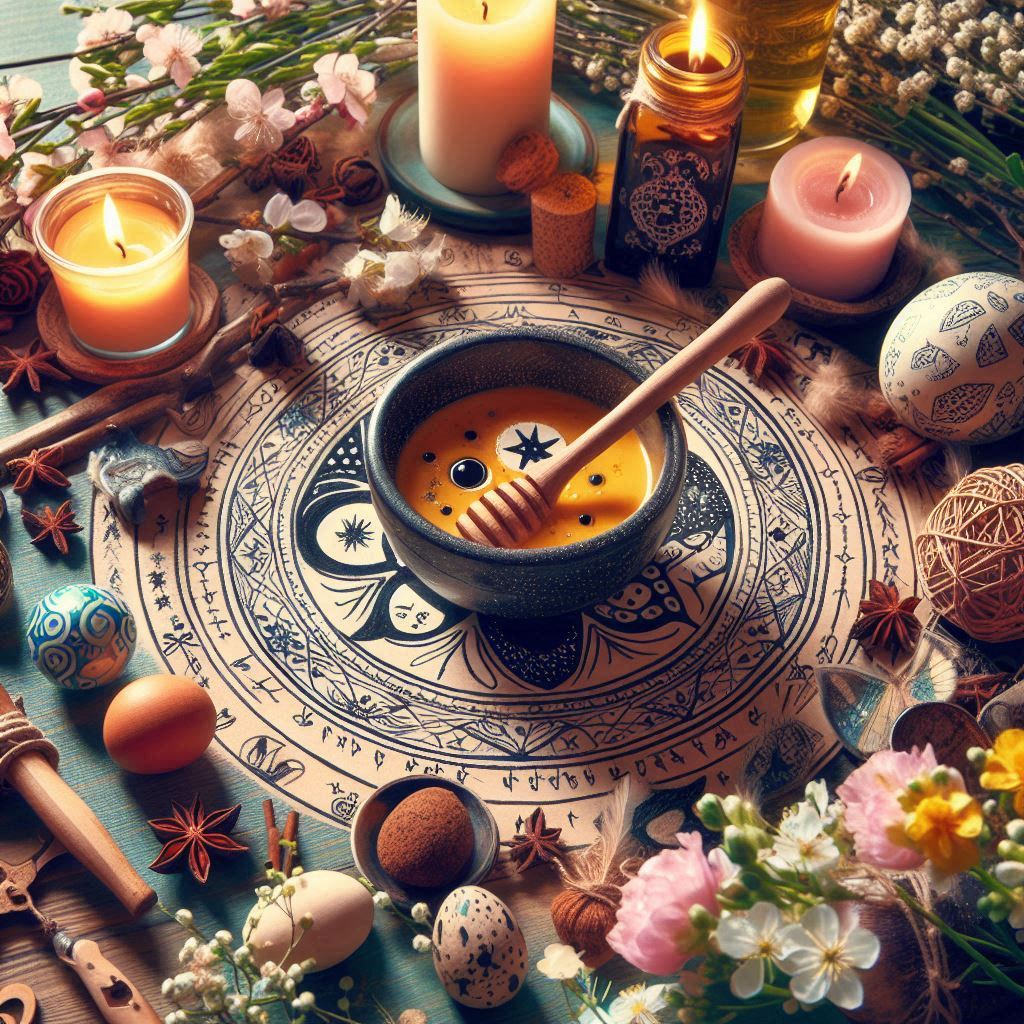
Your Ostara altar should reflect the vibrancy & colors of spring and can be in or outdoors.

Consider:

 ✨ A white or pastel-colored altar cloth.

 ✨ Fresh flowers in a vase.

 ✨ Decorated eggs or a nest of eggs.

 ✨ Images or figurines of rabbits or hares.

 ✨ Seeds or small potted plants.

 ✨ Candles in Ostara colors.

 ✨ Crystals that resonate with the season.

 ✨ A bowl of spring water.

 ✨ A representation of your chosen deities.

_______________________________

🌛Rituals for Ostara

 🌛 Planting Ritual:

Plant seeds or seedlings to symbolize new beginnings and growth. As you plant, speak your intentions aloud.

 🌛 Equinox Meditation:

Find a quiet space and meditate on the balance of light and dark, the renewal of nature, and your own personal growth.

 🌛 Journaling:

Reflect on your goals and intentions for the coming season. Write about what you want to grow and cultivate in your life.

🌛 Offering Ritual:

Make offerings to Ostara or your chosen deities, such as flowers, seeds, or honey cakes.

 🌛 Spring Cleansing Ritual:

Cleanse your home and sacred space, both physically and energetically, to make way for new energy. Use sage, palo santo, or spring-scented essential oils.

_______________________________

Solitary Practitioner Activities

 🌟 Nature Walk:

Spend time in nature, observing the signs of spring. Gather flowers, leaves, or stones to add to your altar.

 🌟 Crafting:

Create Ostara-themed crafts, such as egg decorations, flower crowns, or nature mandalas.

 🌟  Baking:

Bake spring-themed treats, such as honey cakes or egg-rich pastries.

 🌟  Dawn Meditation:

Wake up early and greet the sunrise, welcoming the return of the light.

_______________________________

Coven Activities

🌟 Plant a communal garden or tree, symbolizing the coven’s shared growth and intentions.

Continue reading Blooming into Balance: Celebrating Ostara 2025
Posted on 1 Comment

Yuletide Magic: Celebrating the Winter Solstice

A blog post for witches and magic enthusiasts~

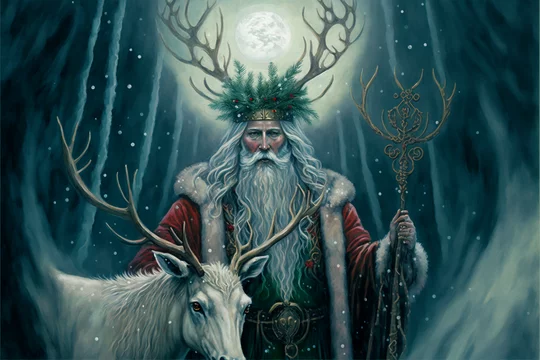
God Odin

Yule, the Winter Solstice,  marks the turning of the Wheel of the Year and is a time of renewal, rebirth, and the triumph of light over darkness. It’s a magical time to connect with the natural world and harness energy for your spells and rituals.


When is Yule?

The Winter Solstice typically falls on December 21st or 22nd in the Northern Hemisphere. It marks the shortest day and longest night of the year, symbolizing the death of the old year and birth of the new.


Yule Correspondence~

  • Colors: Red, green, gold, and white
  • Herbs: Holly, ivy, mistletoe, pine needles, rosemary, and cinnamon
  • Stones: Ruby, emerald, garnet, clear quartz
  • Deities: Freya, Odin, Sol Invictus
  • Animals: Deer, owl, bear, fox
  • Scents: Pine, cinnamon, frankincense, and myrrh

Yule Ritual Ideas:

Yule Log Ceremony ~

Purpose – to symbolize the cycle of life, death, and rebirth

  • Gather a Yule log, preferably from an Evergreen tree
  • Decorate it with ribbons, pine cones, or other natural adornments
  • As you light the log, say a prayer of intention for the coming year
  • Let the log burn slowly, symbolizing the passing of the old and the birth of the new

Winter Solstice Spell ~

Purpose – to manifest intentions for the coming year

  • Gather your Yule Correspondence – Red and green candles, a sprig of Holly, and a piece of paper
  • Write your intentions clearly and concisely for the New Year on the paper
  • Light the candles and burn the paper, visualizing your desires manifesting
  • As the papers burn, say: “Winter’s night is fading fast, A new year dawns, a hopeful cast. Let light and love now fill the air, as I release old worries and care.”

Decorate your Altar ~

  • Adorn your Altar with Yule symbols like evergreen boughs, red, green, and gold candles, and pinecones and ribbon
  • Place a Yule log or small candle in the center to represent the returning sun
  • Include offerings for the gods and spirits, such as honey, wine, and fresh fruit

Yuletide Magic Tips ~

  • Nature connection – spend time outdoors, connecting with the natural world. Take a walk in the forest or simply observe the Winter sky
  • Reflect on the blessings in your life – write down things you are grateful for in the past year, and express gratitude
  • Self-Care – practice self-care rituals like taking a warm bath, meditating, listening to music or reading a good book
  • Community – gather with friends and family to celebrate the season and share warmth and joy.

By incorporating these rituals and practices into your Yule celebrations, you can harness the powerful energy of the Winter Solstice and manifest your intentions for the coming year

Happy Yule!

Pagan Essentials Llc

Subscribe to continue reading

Subscribe to get access to the rest of this post and other subscriber-only content.

Posted on 5 Comments

Samhain 2024

Embracing Samhain: The Witch’s New Year

As the days grow shorter and the air becomes crisp with the scent of fallen leaves, we find ourselves approaching one of the most significant celebrations in the pagan calendar—Samhain. This ancient festival, which marks the transition from the harvest season to winter, is not just a time to celebrate the bounty of the earth, but also to honor our ancestors and invite the magic of the beyond into our lives.


What is Samhain?

Samhain, pronounced “sow-in” or “sah-wen,” originates from the Gaelic word for “summer’s end.” Celebrated on the night of October 31st to November 1st, it is a pivotal time in the Wheel of the Year for many practitioners of witchcraft and paganism. In Celtic culture, Samhain was traditionally seen as a moment when the veil between the worlds of the living and the dead was at its thinnest, allowing spirits, ancestors, and otherworldly beings to traverse freely.


Historical Significance

Historically, Samhain signified the end of the harvest season and the beginning of winter. Communities would gather to celebrate the abundance of the land, inviting spirits and deities to join in their feasting. It was also a time for divination, as people sought insight into the coming year and beyond. Rituals often included lighting bonfires, making offerings, and preparing specific foods to nourish the spirits.


Modern Practices

Today, Samhain is celebrated by witches and those who embrace the pagan traditions with a blend of old customs and contemporary interpretations. Here are some ways to honor this magnificent season:


1. **Create an Ancestor Altar**:

Dedicate a space to honor your lineage. Decorate it with photos, heirlooms, and meaningful items that connect you to your ancestors. Light candles and offer food or drink as a way to invite their presence.


2. **Ritual Bonfire**:

While it might not be practical for everyone, if possible, gather around a bonfire with friends or family. Use this opportunity to reflect on the past year, share stories, and let go of things you no longer wish to carry by tossing them into the flames.


3. **Divination Practices**:

Samhain is an excellent time to practice divination. Whether using tarot cards, runes, or scrying, take this opportunity to seek guidance from the spiritual realm. Write your questions down, set your intentions, and listen to the messages that come through.


4. **Crafting Jack-o’-Lanterns**:

Carving pumpkins is a fun activity that has its roots in ancient rituals. Use the jack-o’-lantern as a way to ward off negative spirits, and consider placing it on your doorstep to greet visitors with warmth and protection.


5. **Nature Walks**:

As nature begins to fade into dormancy, take a moment to connect with the land. Gather fallen leaves, acorns, and other treasures to use in your rituals or decorations. Reflect on the cycles of life, death, and rebirth.

,

Honoring the Spirits

During Samhain, it’s essential to express gratitude and respect toward the spirits. Whether you believe in the afterlife or simply appreciate the lessons learned from those who have passed, acknowledging their influence can provide comfort and guidance. You might choose to hold a simple ceremony where you light a candle for each ancestor, sharing a memory or a blessing for them.


A Time for Reflection

 This festival also encourages personal reflection. As the year winds down, consider journaling about your experiences, your growth, and what you hope to manifest in the future. Embracel0 the energy of transformation as you make space for new beginnings.


Conclusion

Samhain is a deeply powerful and meaningful time in the witch’s calendar. By embracing its rich traditions, honoring the past, and welcoming the energies of the unseen, we can fully experience the magic it brings. As we gather  with loved ones and open our hearts to the mysteries of life and death, let us celebrate the blessings of our ancestors and prepare for the cycles ahead. Whether through solitary practice or community gatherings, may your Samhain be filled with light, love, and profound connection to the spirit world. Blessed be!

Posted on

Lughnasadh 2024

Lughnasadh, also known as Lammas, is a Pagan holiday celebrated on August 1st in the Northern Hemisphere. It marks the beginning of the harvest season and is a time to give thanks for the abundance of the Earth. The origins of Lughnasadh can be traced back to ancient Celtic traditions, particularly the festival dedicated to the Celtic god Lugh, who was associated with craftsmanship, skill, and the harvest.

Lughnasadh is a Celtic fire festival that celebrates the first fruits of the harvest and the blessings of the land. The name Lughnasadh comes from the Celtic god Lugh, who was honored at this time of year for his role in bringing about the successful harvest. The festival was traditionally celebrated with feasting, games, and contests, as well as rituals to ensure a bountiful harvest in the coming year.

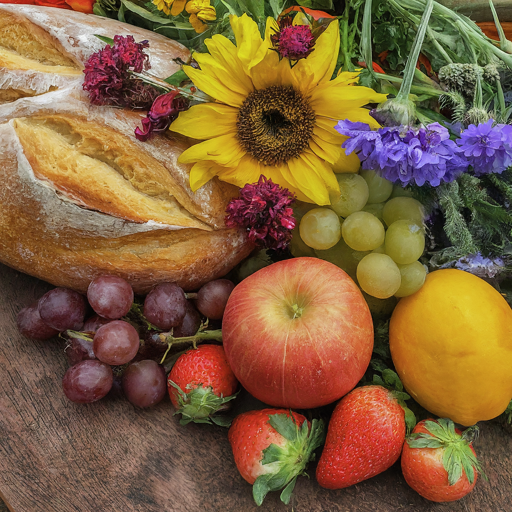
One of the key elements of the Lughnasadh celebration is the making of corn dollies, which are braided figures made from the last sheaf of corn harvested from the fields. These corn dollies are often used as symbols of the harvest and are left in the fields as an offering to the land spirits. Another important aspect of the festival is the baking of bread from the newly harvested grains, which is then blessed and shared with the community as a symbol of the Earth’s abundance.

Lughnasadh also has strong associations with the cycle of life and death, as it falls halfway between the summer solstice and the autumn equinox. It is a time to reflect on the turning of the seasons and the impermanence of life, as the energy of the sun begins to wane and the days grow shorter. In many Pagan traditions, Lughnasadh is seen as a time of sacrifice and transformation, when we let go of the things that no longer serve us in order to make way for new growth and abundance.

Correspondences for Lughnasadh include the colors gold, green, and yellow, as well as symbols of the harvest such as cornucopias, wheat sheaves, and sunflowers. The element associated with Lughnasadh is earth, representing the fertile soil that nourishes the crops. Offerings for the festival may include grains, fruits, and bread, as well as herbs such as lavender, rosemary, and sage.

Overall, Lughnasadh is a time to celebrate the fruits of our labor, both literally in terms of the harvest, and metaphorically in terms of our personal growth and achievements. It is a time to give thanks for the abundance of the Earth and to honor the cycle of life and death that sustains us all. Whether you celebrate with a traditional ritual, a feast with loved ones, or a quiet moment of reflection in nature, Lughnasadh is a reminder to be grateful for the blessings that surround us and to sow the seeds of our future intentions with care and intention.

May the spirit of Lughnasadh bless you with abundance, growth, and transformation as you navigate the changing seasons of life.


Posted on

Litha: The Midsummer Sabbat Soltice Celebration

Welcome to the radiant zenith of the Sun’s journey, as we embrace the longest day and the shortest night of the year. Litha, also known as Midsummer or the Summer Solstice, is a time of intense power, magic, and celebration. As witches, pagans, and followers of the old ways, we gather to honor the full strength of the Sun, revel in the abundance of the Earth, and acknowledge the fleeting nature of light and darkness.

In this sacred season, we stand at the threshold of two worlds, where the veil between the seen and unseen is as thin as the new moon’s crescent. The fires of Litha ignite our passions, fuel our dreams, and cleanse our spirits. Join us as we delve into the ancient traditions, modern practices, and the enchanting lore of this sabbat. Whether you’re dancing around the bonfire, crafting sun-infused charms, or simply soaking in the warmth of the season, Litha is a time to celebrate life’s bounty and the fire within us all.

Let’s explore the mysteries and the joy of Litha together, as we turn the Wheel of the Year and bask in the Sun’s glorious light. 🔮✨


Welcome to Pagan Essentials, where we explore and celebrate the rich traditions of modern witchcraft and Paganism. As the Wheel of the Year turns, we now find ourselves approaching Litha, also known as the Summer Solstice. This powerful Sabbat marks the longest day and the shortest night of the year, a time of abundant energy, growth, and celebration.


Litha, typically celebrated around June 20th to 23rd in the Northern Hemisphere, is a time to honor the sun at its peak. The word “Litha” is believed to derive from the Anglo-Saxon term for the months of June and July. This Sabbat is a celebration of light, warmth, and life. It’s a time to acknowledge the power of the sun and its role in nourishing the Earth.

In many traditions, Litha is seen as a time when the Oak King, who reigns from Yule to Litha, is overthrown by the Holly King, who will rule from Litha to Yule. This symbolic battle represents the shifting balance between light and dark as the days begin to shorten once more.


Litha is a vibrant and joyous Sabbat, and there are many ways to celebrate its energies. Here are some popular traditions and rituals:

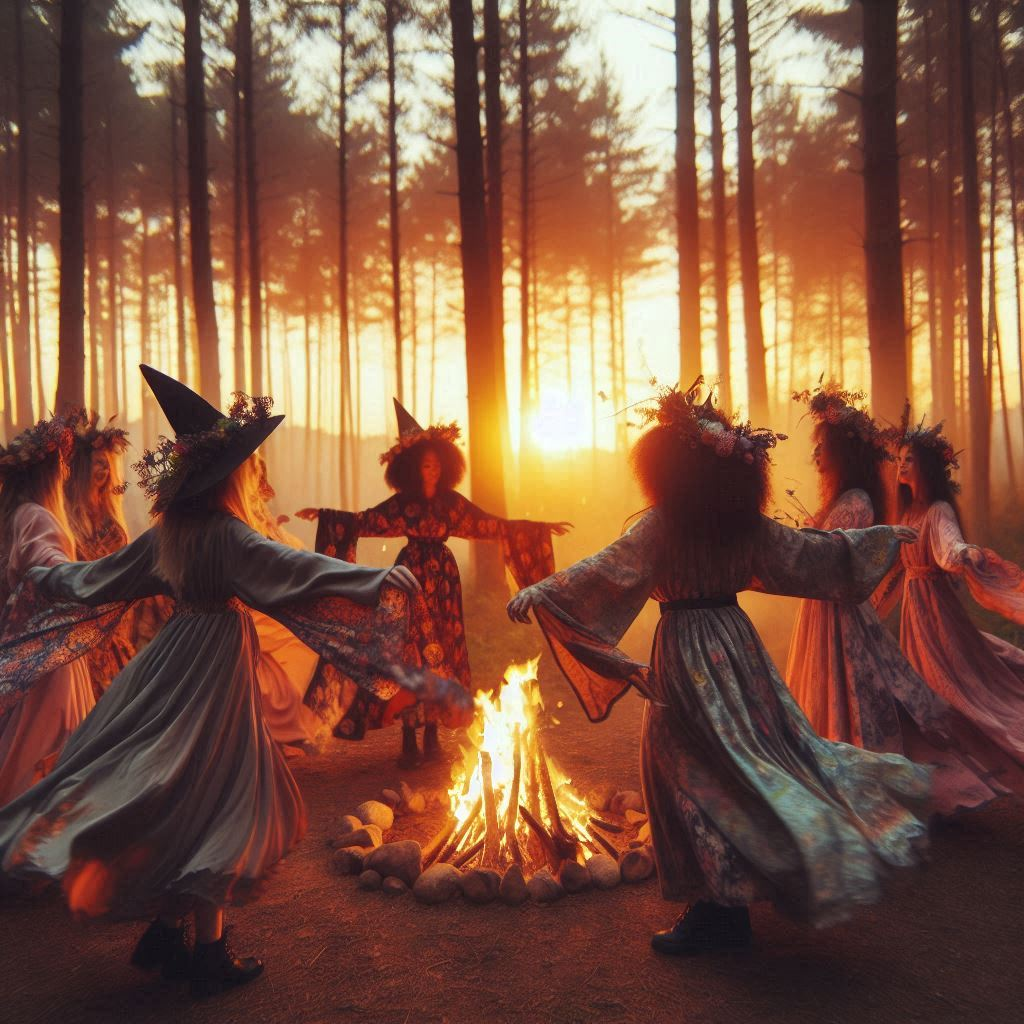
  1. Bonfires and Fire Magic: Lighting a bonfire is a traditional way to celebrate Litha. The fire symbolizes the sun at its zenith and is believed to ward off evil spirits. Jumping over the fire (safely, of course) is a custom thought to bring good fortune and protection.
  2. Sun Offerings: Create a solar altar with sun symbols, yellow and gold candles, and sunflowers. Offerings of fresh fruits, especially those that thrive in the summer like strawberries and peaches, can be made to honor the sun’s bounty.
  3. Nature Walks and Flower Gatherings: Spend time outdoors, reveling in the beauty of nature at its most lush. Gather herbs and flowers such as lavender, St. John’s Wort, and yarrow, which are believed to hold special power during this time.
  4. Midsummer Feasts: Celebrate with a feast that includes summer fruits, fresh vegetables, and honey-based treats. Sharing food with loved ones under the sun or moon strengthens communal bonds and honors the Earth’s gifts.
  5. Divination: The energy of Litha is potent for divination. Use tools like tarot cards, runes, or a pendulum to gain insight and guidance. The heightened energy can provide clearer visions and stronger intuitions.
  6. Meditation and Reflection: While Litha is a time of celebration, it’s also a moment to reflect on personal growth and the goals you set at the beginning of the year. Meditate on the progress you’ve made and set intentions for the remaining year.

  • Create a Litha Wreath: Make a wreath using flowers, herbs, and greenery that symbolize the sun and growth. Hang it on your door to welcome positive energy into your home.
  • Make Sun Water: Charge water under the midday sun and use it for rituals, spells, or as a refreshing drink infused with solar energy.
  • Decorate with Sun Symbols: Use images of the sun, sunflowers, and solar colors (yellow, gold, orange) in your home and sacred space.

Litha is an excellent time to honor deities associated with the sun, such as:

  • Apollo: The Greek god of the sun, music, and prophecy.
  • Ra: The Egyptian sun god.
  • Helios: The Greek personification of the sun.
  • Amaterasu: The Japanese sun goddess.

Set up an altar with symbols and offerings that resonate with your chosen deity to strengthen your connection and invite their blessings.


Ultimately, Litha is about embracing the peak of life and the height of light. It’s a time to celebrate abundance, personal power, and the beauty of nature. Whether you gather with a coven, family, friends, or spend the day in solitary reflection, let the energy of the sun fill you with warmth, inspiration, and joy.

May your Litha be filled with light, love, and lasting memories. Blessed be!